To be prepared for a crisis, every Prepper must establish goals and make both long-term and short-term plans. In this column, the SurvivalBlog editors review their week’s prep activities and planned prep activities for the coming week. These range from healthcare and gear purchases to gardening, ranch improvements, bug-out bag fine-tuning, and food storage. This is something akin to our Retreat Owner Profiles, but written incrementally and in detail, throughout the year. We always welcome you to share your own successes and wisdom in your e-mailed letters. We post many of those — or excerpts thereof — in the Odds ‘n Sods Column or in the Snippets column. Let’s keep busy and be ready!
Jim Reports:
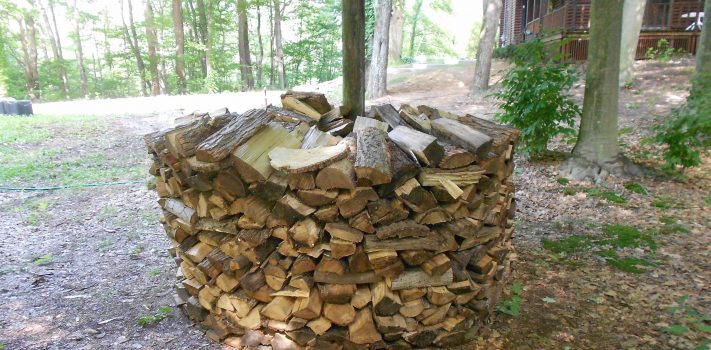
Now that I’ve transitioned to a weekly posting schedule for SurvivalBlog, I’ve had time to catch up on some projects around the ranch. I have just a couple of weeks to handle many projects before hay-hauling season begins in July. First up will be cross-cutting and splitting the firewood logs that I’ve been gathering in the past three months. Typically, I cut the large-diameter logs to stove length, but the smaller ones I cut to two or three stove lengths. So, those I’ll have to be cross-cut before I can split them.
I padded, packed, and mailed out several Elk Creek Company orders. That always gives me a warm fuzzy feeling to deliver some nice anonymous small arms to good homes. And I enjoy the friendly feedback that I get from my customers. They are always pleased with the quality pre-1899 cartridge guns that I sell, and they often remark that they were pleasantly surprised with the bonus items that I’ve included. I’m expecting a lot more orders this week, since spot silver is back above $70 per ounce and we’ve correspondingly raised our silver divisor to 50. (You can take the total for your order and divide by 50, if paying in pre-1965 U.S. 90% silver coinage. For example, a $345 order would cost just $6.90 face value in 1964-or-earlier silver dimes, quarters, and halves..)
After an unexpected fence-hopping entry by our yearling bull, I had to reinforce one side of our main garden fence with several 16-foot-long welded-wire livestock panels, to keep the cattle out. Those Bovine Delinquents! Oh, speaking of them… Yesterday, I completed construction of a 4-foot wide “friendship gate” on our north property line. It is mostly there so that we can escort errant fence-jumping cattle back onto our ranch. There will eventually be two such gates on that property line.
Last week, we had a setback when the clutch failed on our 15-year-old pickup truck. Thankfully, this happened when I was close to home, and only just heading back from a short errands trip when I didn’t have a trailer in tow. I can only imagine what it would have been like if that had happened when I was a hour away from the ranch, with a load of 30 hay bales in the trailer. The pickup will be at the dealership for about 10 days. They tell me that the repair work done before we need it for hay-hauling. That work will cost $2,500+. Ouch.
Now, Lily’s part of the report…
Continue reading“Editors’ Prepping Progress”