A Lesson from Fasting for Preparedness, by J.C.

First off, let me tell you a little bit about myself and experiences. I am a thirty-four years old, six foot tall, and an active male who enjoys long distance trail running, running mountains, and competing in mud obstacle races and triathlons. I have been married fourteen years and have two pre-teen sons. I currently work out of town as a carpenter and commute three hours each day and work ten-hour days five and sometimes six days a week. During the warmer months, I train nearly every day, mostly running on stairs, hills, trails. During the winter, I am running …


Times Are Getting Tougher, But Women Can Thrive and Not Just Survive!, by Sarah Latimer

There are hundreds of thousands of women among the SurvivalBlog reader community and their households, and most of us are feeling stressed beyond what has been “normal”. If you’ve been reading SurvivalBlog and watching the news for anytime at all, like me, you’re probably concerned on a macro level about the blatant disrespect of human life, the trampling of our liberty and privacy, the moral decline of society in general and in what the children in schools are being taught, the economic crises around the world, the pressure pot of international conflict on multiple fronts, and more. Then, on a …


Fitness for Success When the SHTF– Part 4 by J.P.M.

Pacing for the Out-of-Shape If you are out of shape and trying to lose weight and build strength, start with small increments that you are able to handle, such as doing only ten sit-ups, push-ups, squats, and jumping jacks. Then rest until the burning sensation subsides but no more than a minute. Then do another round until you have completed your workout time. Dedicating 15-30 minutes is a good amount of time for a balanced workout. If you have a pull-up bar (make sure you have one at your SHTF retreat; good plans for building one exist online), do as …


Fitness for Success When the SHTF– Part 3 by J.P.M.

The Dead Lift Pulling is probably one of the best movements for overall leg and lower back growth, plain and simple. Dead lifts hit your quads, hamstrings, glutes, spinal erectors, abs, traps, and upper lats. This exercise does require a barbell. Walk to the bar. Stand with your mid-foot under the bar. Don’t touch it with your shins yet. Stand with feet at hip width stance and toes out 15°. Grab the bar, narrow, with hands about shoulder-width apart. Arms should be vertical from the front view, hanging just outside your legs. Bend your knees and keep going until your …


Fitness for Success When the SHTF– Part 2 by JPM

Practical Fitness. As the title implies, I believe in “practical fitness”. In my opinion, many people make fitness an obsession that takes over an inordinate amount of their day. I’m not saying it should be something like, “Oh, yeah, time to do that again”, only doing it as a once-a-week-drudgery. Dedicated physical exercise should be something we all engage in on a daily basis. But, it should be in the proper context: to prepare and maintain our body to live safe, healthy, active, productive lives. Physical exercise isn’t the focal goal, but its benefits are. It’s for this reason that …


Fitness for Success When the SHTF– Part 1, by JPM

The ancient Greeks probably were the people with the highest emphasis on physical fitness. In fact, their great athletes were worshipped as gods. Hence, we have the Olympic games. Over the ages, people have always had respect for physical exercise and practiced it. But in modern days, we see a shocking amount of obesity; it is on an unprecedented scale, and it’s not a good thing. Those of us preparing for TEOTWAWKI know that we need equipment. We also know that gear without knowledge or training is useless, so we read manuals and attend classes and courses and so on …


Low-Carb Paleo and Primal for Preppers, by T.Z.

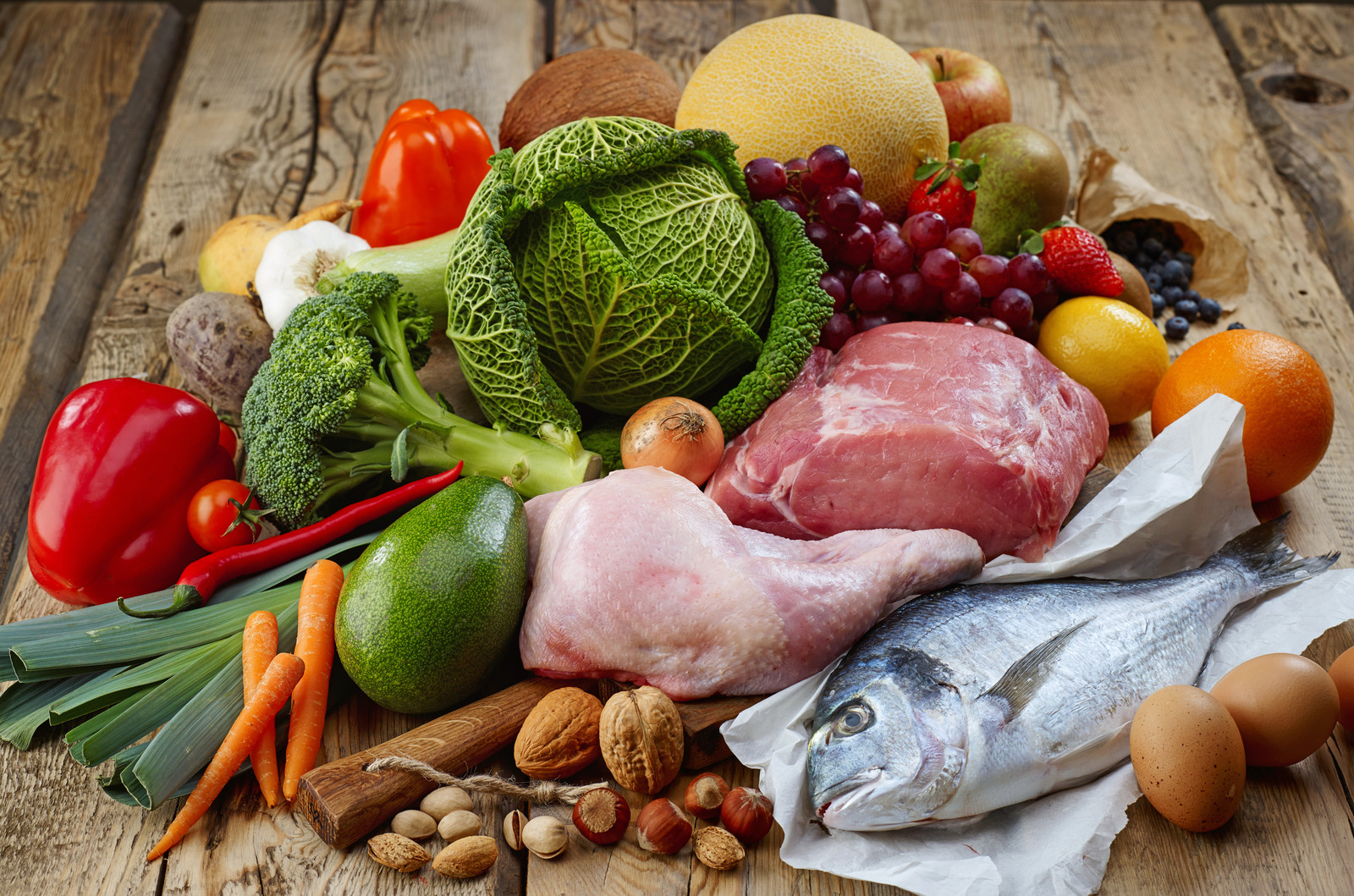
I wouldn’t have much to eat in “What’s for Dinner”, so I’m going to write up my own personal paleo/primal low-carb approach to nutrition, especially as it applies to prepping. The mountain men, hunters, and others rarely had sugar and flour and were healthier. I’m not as active as them, but I’m trying to eat like them. Micro and Macro Nutrients– What Your Body Really Needs The first thing to do is separate nutrients from calories. You need nutrients– vitamins, minerals, protein, and a few other things to keep things running. These, like oil and radiator fluid, are things you …


Letter Re: Infant Nutrition

Hello, After reading the infant nutrition article and several responses to it, I could not help it but add something to the discussion. Dental caries and especially childhood dental caries is the most widespread disease in United States. The science behind it is that it is a bacterial infection, meaning the cavities are caused by bacteria in the mouth. Kids are not born with that bacteria but acquire them during childhood. DNA testing has shown that in 90% of the infection cases, the source is the primary caretaker, mainly the mother. Ways of infection are sharing utensils, kissing on the …


Letter: Another Note on Infant Nutrition

Hugh, We raised six healthy kids on a diet best described as “locally grown, in harmony with the seasons”. Unless you’ve got the food stockpile of the century, you too will soon be eating primarily “locally grown, in harmony with the seasons” when those refrigerated rail cars quit rolling and are looted out. We live in the grain belt, and whole grains in one form or another play a major role in our diet as they have for much of mankind’s history. I’m not talking about white bread, Doritos, or noodles here but the “Staff of Life” freshly milled whole …


Letter: A Note on Infant Nutrition

Dear Sir, Regarding the very helpful letter on alternatives to commercial baby foods, I wanted to add the widely-used practice sometimes called “baby-led weaning”. This consists of introducing a six-month or older child to larger chunks of soft foods that they can grab, manipulate, and gum on their own. The two keys to make this practice safe are that the chunks be too large to aspirate (perhaps the size of a large french fry), and soft enough for the baby to mash or dissolve with their tongue or gums. Banana and avocado are often used as first foods in this …


Feeding The Vulnerable At TEOTWAWKI: Infant Nutrition- Part 2, by P.G.

Plant-derived Milk Substitutes Are Dangerous For Infants Plant “milks” should never be used as a substitute for breastmilk or infant formula. Without exception, they are too low in calories, protein, vitamins, and minerals. Soy, rice, almond, and sweet chestnut milks have been associated with severe problems in infancy, including death. Protein malnutrition and growth arrest, rickets, hypothyroidism, iron-deficiency anemia, vitamin B12 deficiency, seizures, and coma have all been reported in infants who were fed these substitute milks. Substitutes For Commercial Baby Foods Most pediatricians recommend that infants receive only breastmilk, no water or fruit juice, for the first six months …


Feeding The Vulnerable At TEOTWAWKI: Infant Nutrition- Part 1, by P.G.

In the event of an EMP or other worst-case scenario, it is feared that as many as 90 percent of the population will not survive. The elderly and the ill, who are dependent on soon-to-be nonexistent medicines, will be the first to succumb. Another extremely vulnerable group consists of infants in the first year of life. They are toothless, wholly dependent on adult providers, and limited to breastmilk or infant formula for the first few months of life. Babies do not have the immunologic capacity to defend themselves against the myriad of microbes that will arise in an environment that …


Letter Re: Toilet to Tap

Mr. Latimer, Thanks for bringing to our attention the massive project in LA to turn sewage back into drinking water. I must say that people should be less concerned about picking up a dangerous infections disease (the treatment of sludge is accompanied by heavy use of chlorine and/or ultraviolet light to disable bacteria and viruses) and more concerned about the fact that many of our treatment facilities lack the ability to remove the massive amount of pharmaceuticals and drugs people are on. A lot of treated water being released into the environment contains high levels of anti-depressants, birth control hormones, …


Soothing the Savage [Beast], by Captnswife

It’s easy, when preparing for the worst, to concentrate only on material needs and ignore the less tangible but vital elements of health. Music, and the ability to produce it, will be an extremely important salve on the mental, emotional, and even physical wounds of a diminished lifestyle, should the SHTF. Modern science has shown us that there are tangible physical benefits of listening to music, including the ability to help in healing illness and injury. We must remember it’s only been in the most recent decades that the Western musical experience became the passive listening of professional recording artists. …


Letter Re: What We Lack In Training Can Be An Advantage- Part 2

HJL, There was a comment in the article by R.W., “What We Lack in Training Can Be An Advantage“. It is tough to put pen to paper and generate something of value, and I would like to complement their efforts; for the most part I have no issues. However, sometimes what may seem reasonable and practical can in fact be more dangerous. Regarding the use of gas masks for respiratory protection, it stirred some memories from back in the days when I went to NBC School in the Army, from 30+ years ago. One of the things I remember was …