I – Introduction
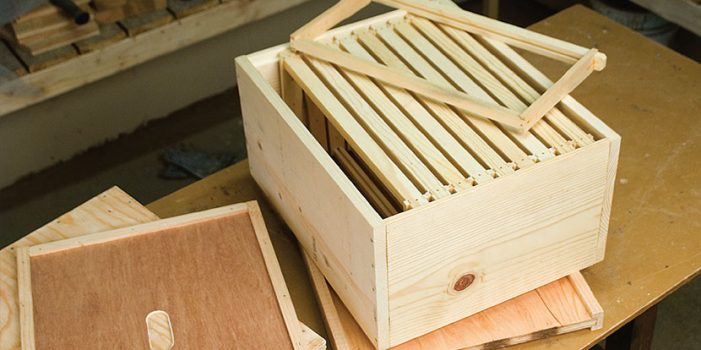
I started researching beekeeping as a hobby for several years before I got my first bees, mostly due to life’s circumstances. Once I settled down and had a piece of land to call home, I was able to get some bees and find it rather enjoyable. It’s quite unlike any other hobby, not the same as gardening, or NASCAR. Keeping wild animals in a wooden box isn’t for everyone. It has challenged me and I’ve learned a lot, and that’s what I find alluring – the more I learn about it, the less I know.
Beekeeping has been unpredictable, frustrating, weather dependent and has a steep learning curve. What little excess honey I have been able to capture from my bees, has been very warmly received by friends and neighbors. If it turns out you have the knack, good for you – don’t’ hold back! If you’re thinking this may be a great way to turn up a few extra bucks on your homestead – don’t count on it (though it may be possible). Initial setup costs and learning curve would make it a challenge to stay profitable. I’m fairly cheap by nature and tried entering into the hobby cautiously. I learned a few things along the way I hope to share here. This is by no means an authoritative treatise on the subject; my goal is to give you enough advice to feel comfortable starting down this road. I was very hesitant to pull the trigger on starting up in this hobby as it seemed so foreign and strange. Research and reading before hand certainly helped, but acquiring a hive and some bees, and spending time with them and working them has provided substantially more experience. I think you need a solid foundation of knowledge before starting, but hands-on experience has really made the difference for me. I decided to write this article with the hope that it will give some Survivorblog.com readers enough confidence to give it a try.
II – LIFE CYCLE AND HISTORY
Honeybees live in a colony with 3 types of bees: Worker bee, Drone bee, and Queen bee. The Queen bee is female, and there is only one per hive. The queen bee lays all the eggs, which become either workers or drones (and sometimes new queens!) Worker bees are typically +95% of the type reared, and are also female, but never reproduce. Drone bees are the only males and will fly outside the hive and attempt to mate with other queens. They provide no benefit to their own hive but do use resources/food. At the end of the season, the drones are all kicked out as the hive prepares for winter.
All bees start out as an egg laid in the bottom of a cell of honeycomb. After a few days of growth, the worker bees in the hive will cover the cell and the egg will pupate into a bee. Worker bees take about 18 days to cook, drones 21, queens take 23 days to develop, and she is fed a special diet called “Royal Jelly”.
Worker bees go through a variety of roles in and around the hive as they age. They start as nurse bees taking care of other young and cleaning the hive. Then guard bees and finally foragers going out and about to gather resources to bring back to the hive. Most bees typically live for about 40 days, and it takes 18-21 days to be reared from an egg. A complete lifecycle for most bees is about 60 days (egg to death). As winter approaches, the hive will begin rearing nurse bees to over-winter with (they live longer). All egg and honey production will shut down, and the remaining bees will attempt to cluster and keep the queen warm over the winter months. Stored honey and supplemented sugar are their only food. They will ball up around the queen and shiver, vibrate and flap their tiny wings to generate heat all winter long, attempting to keep the queen alive.
Continue reading“Introduction to Beekeeping – Part 1, by K. in Tennessee”