(Continued from Part 3. This concludes the article.)
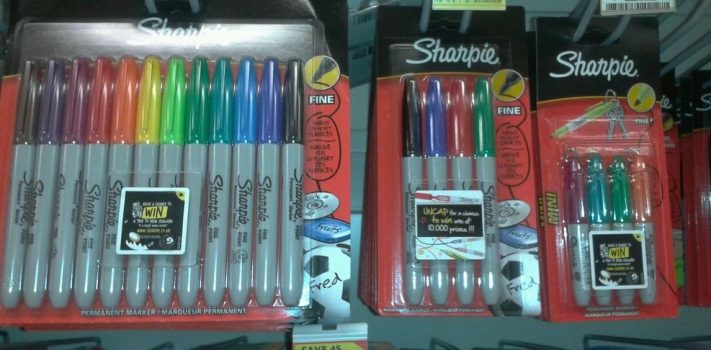
Rain Gauge – Once you fall in love with those metric grams, go ahead and toss that $1.95 plastic rain gauge which has an error factor of +/- 92%, and switch to a five-gallon bucket so you can weigh the precipitation instead. Use your Sharpie to write the grams-to-inches conversion number right on the bucket so you can record rainfall in hundredths of inches such as 1.89”. This rainfall info will help you to more accurately calculate how much you receive each month, which months are the dry months, and how large of a rain-catchment system you’ll need after that EMP blasts us back to 1753 and the grid goes down forever. And that teeny-weenie little 2032 disc battery the scale uses which you have to tilt just right in the light after retrieving your reading glasses so you can read the number? Use your Sharpie to write “2032” right on the little battery door so a guy with stage 3 cataracts can read it by moonlight from ten paces.
Mason Jar Lids – Since frugal preppers are already reusing their mason jar lids and the spendthrifts will be reusing them after the Crunch which should occur sometime during the Harris administration, continue to write on your lids with a Sharpie but in a different way than you’re doing now. We can tell by the visual aspects that this is tomato sauce and those are potatoes so there’s really no need to write that all out. When you write “St. Funogas Totally Awesome Blackberry Jam” on each lid, your friends and family are going to want to know who the heck St. Funogas is, and secondly, it’s going to be a real pain to get all that off when you reuse the lid on your Totally Fantabulous Green Tomato/Apple Chutney. When it’s obvious what the contents are, I use a small coded letter beneath the brand name of the lid to help conceal it. The letters are A-J and represent the year that product was canned. A = 1 (2021), B = 2, etc. and J = 0. This not only makes it easier to know the age of the contents, but if you leave it in place when you write the next year’s letter, you’ll know how many times the lid has been used which will give you certain bragging rights at your local post-TEOTWAWKI Canning Club meetings.
Appliance Wattage – You spent $32 on that awesome Kill-A-Watt meter or the less expensive $21 Poniie PN1500 to see how much power each of your electrical apparati are using in a month. Instead of writing that info on a 3 x 5 card which will be illegible after the pants pocket you leave it in goes through the wash, get out your Sharpie and write it right on the appliance in a discrete location. My refrigerator usage (19½ kWh/month) is written on that little metal plate inside the fridge which has all the electrical information. This individual appliance info will help when planning your move to off-grid so you can know how many kW hours you’ll be saving when you toss the electric coffee grinder or how much it will take to run your motorized grain mill. It will also let you estimate how many hours that new marine battery will keep the 88-watt blower on your woodstove running during the next ice storm which knocks the power out for four days.
Freeze Alarm Setting – My well-house freeze alarm works like a charm but when I put in fresh batteries and activate it each October, I can never reset all the numbers without finding the manual first. Sharpie to the rescue. A few key words written on the back of the alarm remind me how to set it up quickly without having to use any of my special helper words.Continue reading“Surviving Seniorhood With Sharpies – Part 4, by St. Funogas”