Introductory Proviso: This article assumes that the user is already familiar with safe practices to pressure-can meat. This article is NOT a comprehensive discussion of all the caveats and procedures necessary for safe canning. It is ONLY supplementary information for specific items and situations listed below. The correct procedures (times and pressures) for safely pressure-canning low-pH items like meats are available from the manufacturer of your pressure canner or from the USDA.
My wife and I enjoy pressure canning, and believe it to be the best procedure for storing small quantities of meat and other perishables for easy transportation and storage in a grid-down environment where refrigeration and cooking may be unavailable or problematic. Pressure-canned meat is moist (it is cooked during the canning process in its own juices), fork-tender, and delicious. It is already cooked and only requires warming — or if you’re really desperate, eaten cold. In addition, even in a non-emergency environment, we have found that it provides us with quick, pre-cooked meals for dinner when we are both tired from working all day and don’t want to spend a lot of time and effort making dinner.
We have found that most of the recipes for canning are for quantities in pints and quarts. My wife and I are both small people and don’t eat a lot. These quantities of food are just too big for us to use in a reasonable amount of time, and result in a quantity of perishable food after we open a jar that must be used quickly or it will spoil. We typically can meat in half-pint or quarter-pint jars, and soups or other complete meals in pints. Such quantities would also be desirable for a person living alone that would not be able to reliably refrigerate a partially used jar of food.
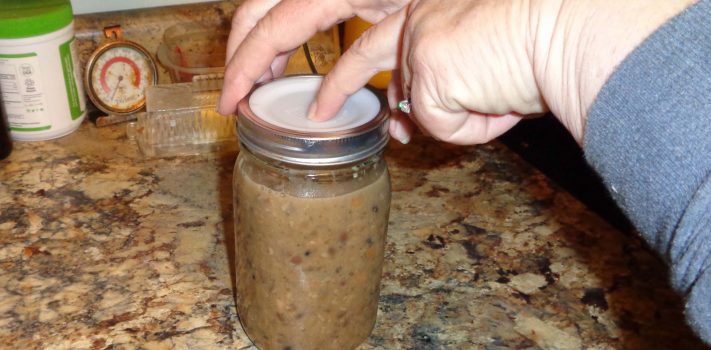
If you are into canning, or considering getting into canning, I strongly urge you to explore reusable canning lids like Tattler or Harvest Guard (an advertiser on the SurvivalBlog site). This reduces your consumables to near zero. Remember that when using reusable lids, you must retighten them when removing them from the canner. Put your hot mitts on and grab each jar after removing it from the canner and give it a twist to make sure the lid is tight.
The only downside to reusable lids is the unlikelihood of getting your reusable lids back if you give away any of your canned food. One admirable point that is stressed here at SurvivalBlog is the concept of Christian charity in difficult times. When canning, you might want to use a few metal lids for each batch, with those jars becoming your potential giveaway food – if you never see that person again, you only lost the jar, not the reusable lid.Continue reading“Small Batch Meat Canning Tips, by Tractorguy”