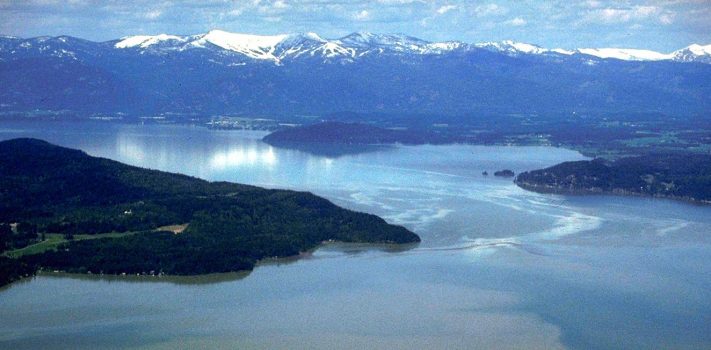
SurvivalBlog presents another edition of The Survivalist’s Odds ‘n Sods— a collection of news bits and pieces that are relevant to the modern survivalist and prepper from “JWR”. Our goal is to educate our readers, to help them to recognize emerging threats, and to be better prepared for both disasters and negative societal trends. You can’t mitigate a risk if you haven’t first identified a risk. Today, we look at U.S. Freshwater Reserves.
Amateur Radio Gear Being Sent to Tonga
Frequent content contributor Tim J. sent us this item: Amateur radio equipment being sent to Tonga.
Highway Funding Bait-and-Switch
Reader C.B. spotted this in The Wall Street Journal: Highway Funding Bait-and-Switch.
Android Malware Draining Bank Accounts
Jim A. sent this: Android malware can factory-reset phones after draining bank accounts. Here is teh article’s opening:
“A banking-fraud trojan that has been targeting Android users for three years has been updated to create even more grief. Besides draining bank accounts, the trojan can now activate a kill switch that performs a factory reset and wipes infected devices clean.
Brata was first documented in a post from security firm Kaspersky, which reported that the Android malware had been circulating since at least January 2019. The malware spread primarily through Google Play but also through third-party marketplaces, push notifications on compromised websites, sponsored links on Google, and messages delivered by WhatsApp or SMS. At the time, Brata targeted people with accounts from Brazil-based banks.
Now Brata is back with a host of new capabilities, the most significant of which is the ability to perform a factory reset on infected devices to erase any trace of the malware after an unauthorized wire transfer has been attempted. Security firm Cleafy Labs, which first reported the kill switch, said other features recently added to Brata include GPS tracking, improved communication with control servers, the ability to continuously monitor victims’ bank apps, and the ability to target the accounts of banks located in additional countries. The trojan now works with banks located in Europe, the US, and Latin America.”