(Continued from Part 1. This concludes the article.)
Have a Plan
The key to preparing for a disaster —both emotionally and physically—is to plan ahead of time. Make sure you know what your role is during a disaster. During an actual emergency, you may be literally incapable of thinking clearly as life suddenly and drastically changes. Knowing what to do should this happen can lessen your anxiety during an emergency. Being less anxious can help you think more wisely and logically and thus reduce the risk of injury or death.
In addition, research suggests that knowing what to do during a disaster can help you cope better after the disaster. One research study looked at the effect of preparedness on the mental health of Hurricane Katrina survivors. The researchers found that those who were not prepared with a plan before the event had a more challenging time meeting their basic needs and finding refuge during the hurricane. As a result, they had a higher risk of developing post-traumatic stress disorder (PTSD) after the storm. This suggests that not having a plan led to more significant stress and anxiety, thus increasing the risk for PTSD.
Practice Ahead of Time
Having an emergency preparedness plan is essential, but equally important is knowing the plan like the back of your hand. On September 11, 2001, the head of security for Morgan Stanley, and Vietnam veteran Rick Rescorla, was credited for saving more than 2,700 lives. One of Rescorla’s job duties as head of security was to evaluate the risk for terrorism and other disasters. Rescorla was particularly concerned that the World Trade Center was a convenient target for terrorists. Therefore, he developed an emergency evacuation plan, and he required Morgan Stanley employees to practice religiously. Rescorla was so adamant about knowing the routine ahead of time that he had frequent surprise drills in which employees would be required to evacuate.
When the first plane hit the North Tower, Rescorla was ready. In spite of being told to stay put by authorities, He calmly and cooly ordered employees to perform the evacuation procedure. They knew the procedure and were ready. As a result, most of the employees were able to make it to safety.
Practicing emergency procedures ahead of time can help you feel calmer and more in control. When you practice the steps that you will take in an emergency ahead of time, your actions during a disaster become automatic. Less thought and planning are required during the emergency. This is beneficial because our ability to make logical decisions is often impaired during a disaster. That is because anxiety or fear makes you behave in an emotional manner rather than in a logical manner.
Tend to Your Physical Wellbeing
Your physical health plays a significant role in your mental health. Focus on maintaining a healthy diet, frequently exercising, getting enough sleep, and seeing your physician regularly. It will be easier to draw upon your mental reserves when you are physically healthier.
Know How to Cope With Mental Health Symptoms
If you have a pre-existing mental health condition, make sure you work with your therapist or psychiatrist to develop an emergency crisis plan for what you can do to manage your symptoms during a disaster.
Stock Your Emotional Disaster Preparedness Kit
I recommend building a disaster preparedness kit that includes emotional tools that can help you build resilience during a disaster or other challenging situation like a pandemic. Here are some things that you can include in your toolkit:
Relaxation Techniques
During an emergency, important tasks needed for survival like giving CPR, calling 911, and providing assistance to others require that you stay collected. Wondering how to stay calm and collected enough to be able to do these things? Having relaxation techniques in your toolkit can help. I recommend practicing these techniques regularly. The more often you practice, the more benefit you will get from them during a crisis.
Meditation
Meditation is something that should be practiced daily. Although we usually associate meditation with becoming more self-aware, it can also help us manage stress. The best part is that meditation is an easy practice that almost anyone can do to feel calm instantly. It requires no special equipment or skills.
Spiritual Resources
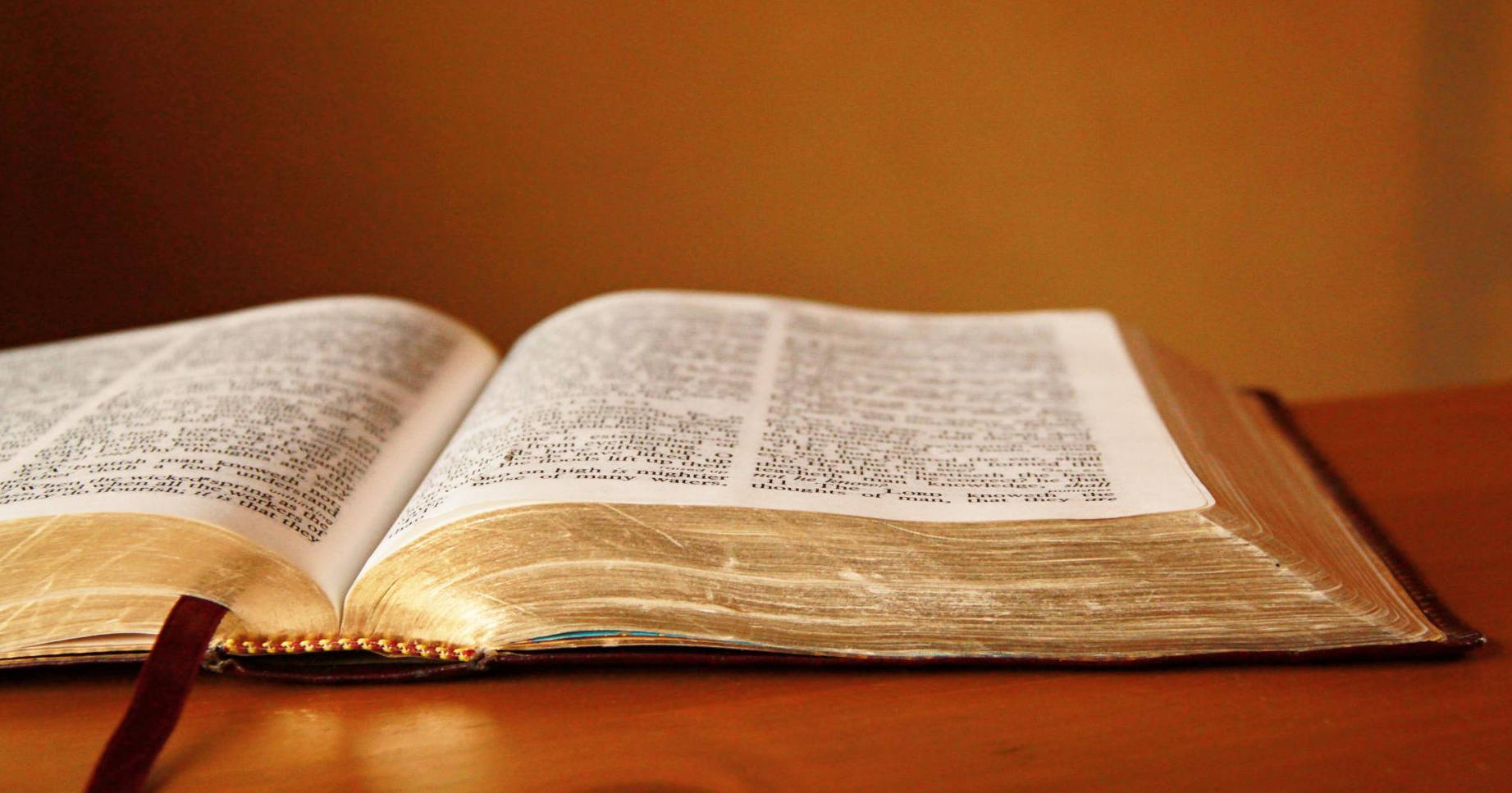
Drawing upon spiritual resources can help you get through a disaster by promoting resilience. Utilizing your spiritual resources can also give you the strength to better help your family, community, and others. Simply write down some short prayers or verses that you can read/recite during great stress.
Gratitude Journal
It’s tough to feel grateful when you are facing a crisis. You may only be able to see the negative initially. The problem is that this brings dispair. Gratitude has the power to help you get through a crisis by bringing hope. Gratitude can help you deal with difficult situations without feeling completely overwhelmed.
So, find several gratitude journals to include in your emotional toolkit. Ideally, you will want to choose ones that include meditation and other relaxation exercises.
Games
During a disaster, you may have a long period of time in which you are just waiting for news. Instead of spending the time worrying, why not use this as an opportunity to do something fun that you wouldn’t normally do in a day? Having something enjoyable to help you pass the time, such as board or card games, can help you maintain a more positive outlook throughout the ordeal.
Emotional Comfort Supplies
What things bring you comfort when you are stressed? Maybe listening to music is what calms you down. If so, be sure you include headphones. Perhaps you find that sipping on tea keeps you calm. Tea contains the amino acid L-theanine, which helps reduce physical and mental stress. So, stock up on various calming teas.
During a Disaster
Know the Facts
There’s often lots of misinformation during emergencies and disasters. For example, consider all of the misinformation that was spread during the pandemic. This phenomenon made it difficult for governments to get the pandemic under control. Misinformation also contributed to increased anxiety, fear, and paranoia. It led people to make less rational decisions during the pandemic. Making decisions based on fear and paranoia during a disaster can impact the chance of survival. Therefore, it’s important to make sure you are paying attention to credible sources during disaster situations. Research and know ahead of time which sources are credible. Take actions based on information that you receive from sources that you trust. Limit your exposure to news reports that primarily focus on destruction and damage.
Remind Yourself That You Are in Control
Believing you are in control of your own reactions during a stressful situation can help you manage your reaction to stress. If you are faced with a disaster, remind yourself that you have control over your emotions, reactions, and what you will and won’t do.
After a Disaster
Forgive Yourself
Shame and guilt are very common emotions that occur after a disaster. The tendency to feel these emotions following trauma is often called “Survivor’s Guilt.” These feelings may be triggered by thoughts about things you did to didn’t do during the disaster. You may also feel ashamed of how you responded during the event. You may ruminate over your reactions during the event.
The problem is that Survivor’s Guilt is often related to “Hindsight Bias,” which is an internal bias that causes us to overestimate our ability to influence the outcome of an event. So, really, you are blaming yourself for things that you had no control over. The problem is that holding onto guilt can cause problems with your sleep, relationships, and even physical health.
Deal With the Emotional Aftermath
No matter how well you plan for disaster, you’ll likely experience feelings of sadness, anger, or guilt following a crisis. Additionally, disaster situations and events like pandemics can leave us feeling exhausted and overwhelmed. This can lead to isolation and other issues like using drugs or alcohol to cope. Don’t ignore the impact of a disaster on your mental health. Mental health therapists can help by providing treatments to help you cope with emotions surrounding trauma and disaster.
Disaster and Mental Health: What NOT to do
Here are some things that can weaken your emotional resolve during a disaster and make it harder for you to cope.
Use of Drugs or Alcohol as a Crutch
During the pandemic, alcohol abuse rose sharply. Compared to the year before, there was a 54 percent increase in alcohol sales on March 21, 2020. It can be hard to cope with the harsh realities of war, pandemics, and terrorism. This fact explains why so many people try to numb the pain with drugs or alcohol. There’s no quick fix for managing stress during a disaster or other challenging event.
Ignore Your Own Needs
During a pandemic or another disaster, you might be focused on helping others. This is important. However, it’s equally important to take care of yourself and tend to your own needs and feelings.
Final Thoughts
Disasters are an inevitable part of life and something that you want to be prepared for. Yes, emergency preparation is important. it’s vital to stockpile supplies and food for disasters. But it’s just as important to include emotional supplies, as well.
It’s critical to know how to emotionally prepare for a disaster at home. Being prepared mentally for disasters can produce a better outcome for you and those who rely on you during an emergency.
About The Author
Todd Albertson is the co-founder of Caredness, a platform specializing in employee mental wellness. He blogs at ToddAlbertson.com.