We just took a look at non-FCC License Dependent Communications, including use expectations and purchase considerations. Today, we begin examining FCC license dependent communications devices.
FCC License Dependent Communications
GMRS
GMRS radios operate on the same frequencies as FRS along with a number of additional channels. They can use up to 50 watts, and the FCC allows for better antennas and repeaters. GMRS will require a license. No test is needed, and the FCC license covers all residents of a household. On last check, the license cost $85 dollars. Pros and cons, along with distance, are similar to FRS, with the exception of additional power, use of repeaters, and better antennas. (See FRS radios for details.)
Amateur Radio – Ham Radio
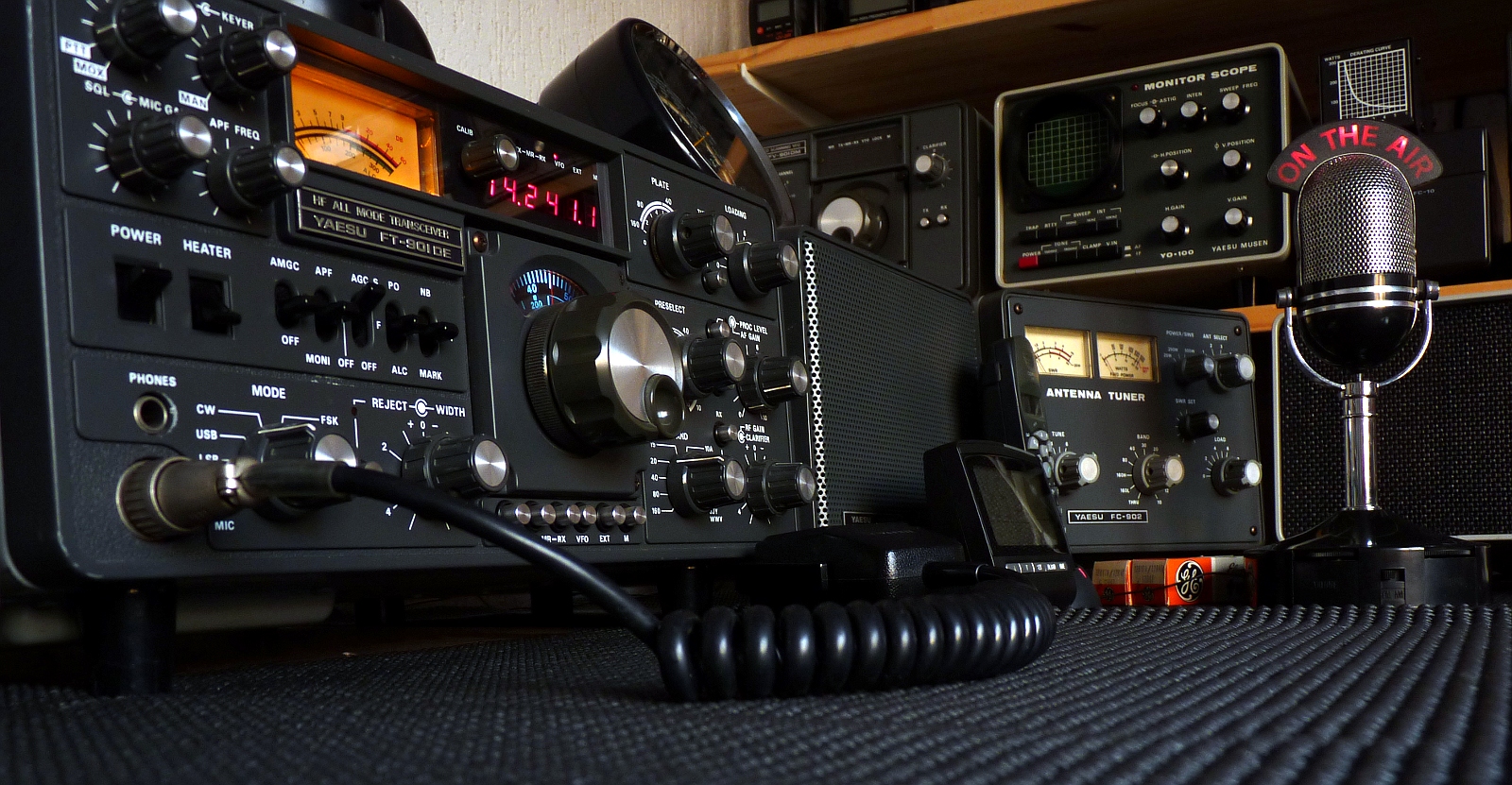
Ham Radio Overview
Ham radio covers frequencies ranging from 135 kHz to above 275 GHz (as of March 28, 2017). The range of frequencies is immense and covers a wide range of possible communications distances. In addition to the features of each band of frequencies, Ham radio operators have access to satellite-based communications and EME (Earth Moon Earth) bouncing. EME is a technique where signals are bounded off of the moon to a distant location. As long as both antennas can point to the moon at the same time, this can greatly extend range (though it requires significant amounts of power and special antennas). Satellite access is typically setup as a repeater and/or APRS. (See below for information on APRS.) It is even possible to chat with astronauts on the International Space Station (ISS) when they are overhead and on their Ham radio.
Continue reading“Radio Communication Methods During Emergencies- Part 3, by R. in NC”