(Continued from Part 3.)
Upon Arrival
Once you arrive at your destination the next phase of Return To Base (RTB) preparations begins. Note that I’m assuming you’re at a hotel or rental property – if you’re staying with friends or family you should adjust accordingly. The first thing I do when I arrive is fill up a 5L water bottle. That way I have immediate access to clean water if something takes the infrastructure down. If an event occurs I can quickly fill my hydration bladder and other water bottles from that before heading out. The morning I leave, I empty the 5L bottle out and put it in my luggage with the top off to let it dry out. I could fill all of my individual containers, but then I’d have to empty them and worry about drying several containers out instead of just one.
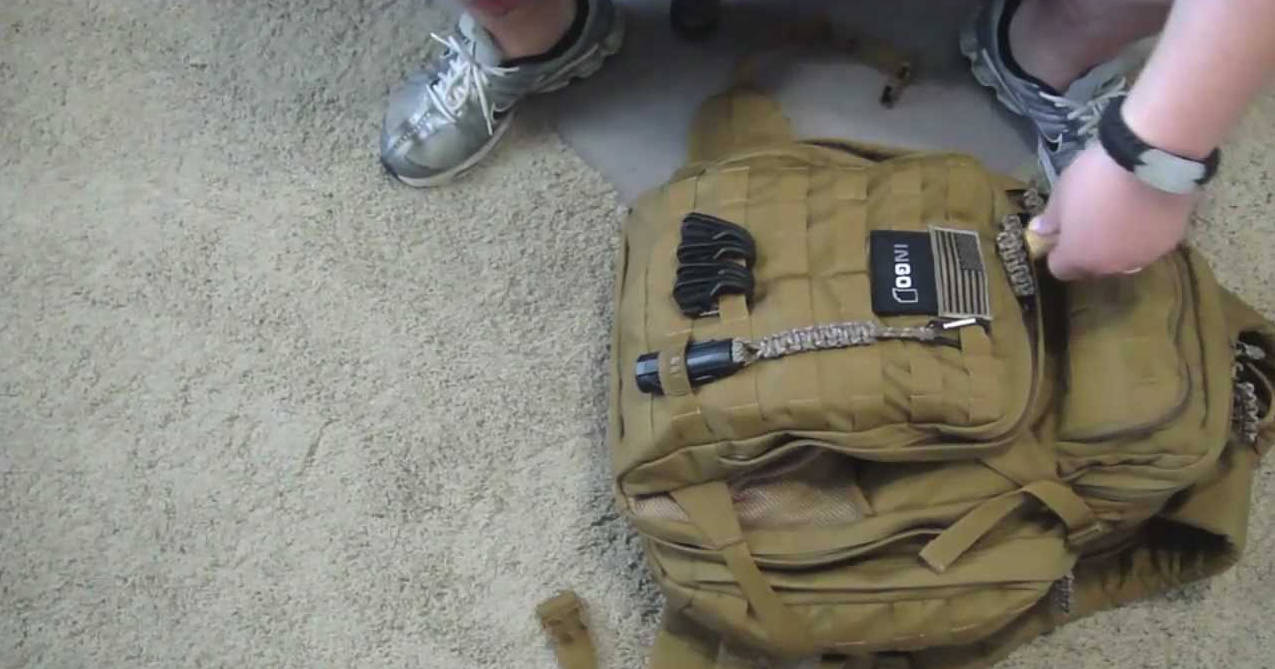
Next I unpack my suitcase and transfer anything I might need for RTB travel (and couldn’t have on my person while en route) into my backpack or on my person. This means I have to spend a few minutes re-packing everything on the day I’m leaving, but doing this allows me to just grab one bag, fill my water containers and be on my way if an event occurs. If I have a rental car I toss my backpack into the trunk when I’m out and about so if I’m far away from my hotel when an event occurs I still have a good kit without having to go back. You could also toss a second filled 5L water bag in the trunk for the duration of your trip.
Once I’m done shuffling stuff around I take a walk around the building I’m staying in. I look out the windows in my room and see if I can use that for egress in an emergency (I always ask for a lower floor room). Then I leave the room and walk around to locate all of the emergency stairwells and exits, counting the steps to the closest ones in case I have to do it in dark or smoke. I walk around inside the building to locate other possible exits on the ground floor, then around the outside to figure out where everything comes out.
Once I have my bearings for the building I start to walk my planned route away from my lodging. Walk as far as you comfortably can, and consider driving more of the route later on to get familiar with it. Finding out about washed-out bridges or other obstacles allows you to adjust your route planning before you actually need to use it. You should always have a detailed map of your destination area with you so you can figure out possible alternatives in case your primary route is blocked. I usually buy one of the Streetwise laminated maps for my destination, but most hotels will happily provide you with a free tourist map at the front desk.
If you couldn’t bring all of your required equipment or supplies with you, you should use your route familiarization explorations to locate local stores or facilities where you could obtain them in an emergency and plan options on how to get to each of them. I typically focus on camping/outdoor stores, bicycles shops and gun shops, since I can’t always travel fully stocked for a long return journey. You should also try to locate smaller local shops instead of big chain stores, since the smaller shops are a lot more likely to continue conducting business if the power and Internet are down.Continue reading“Planning Your Escape – Part 3, by JMD”