(Note: This Part 1 of a six-part series.)
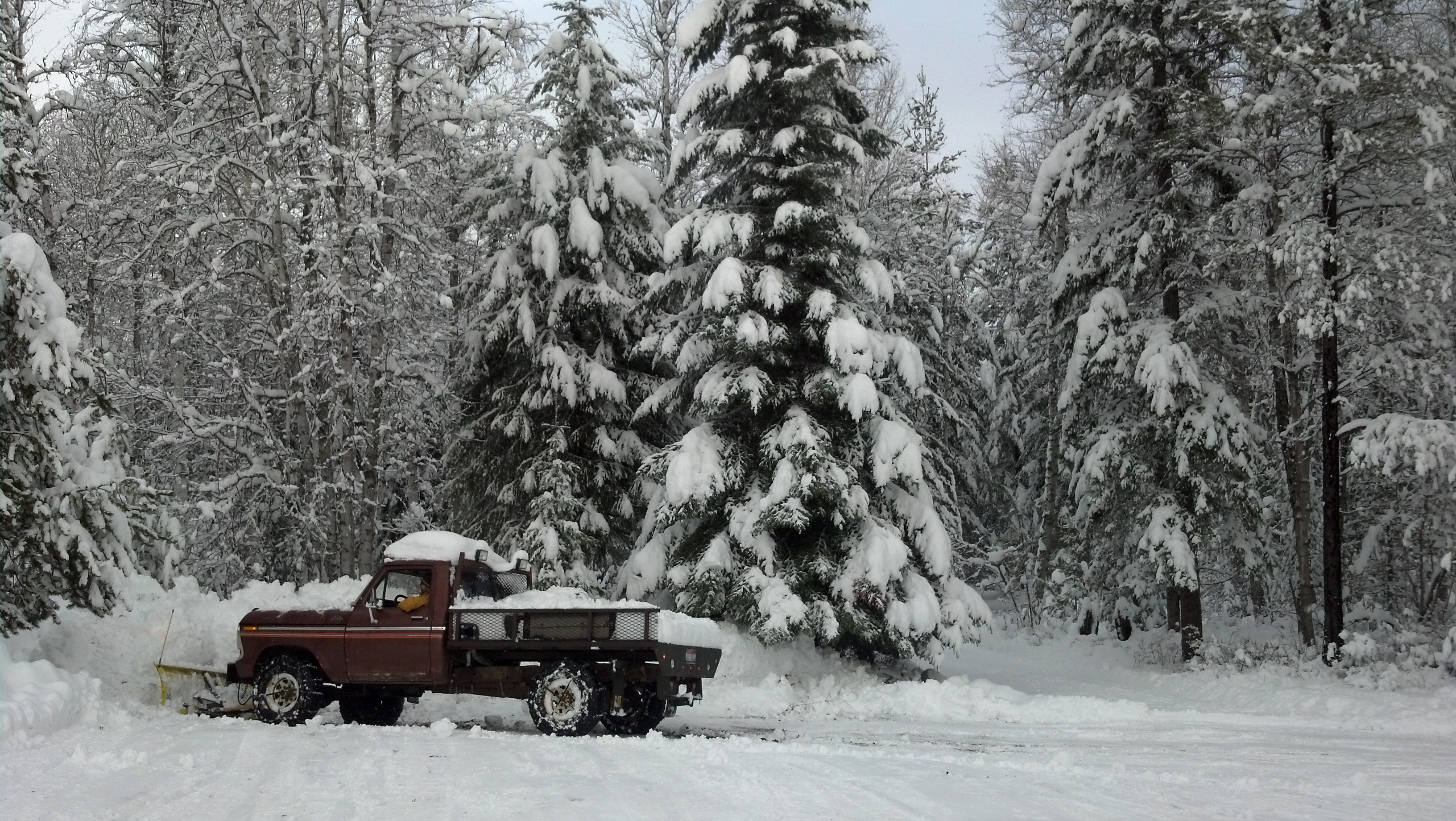
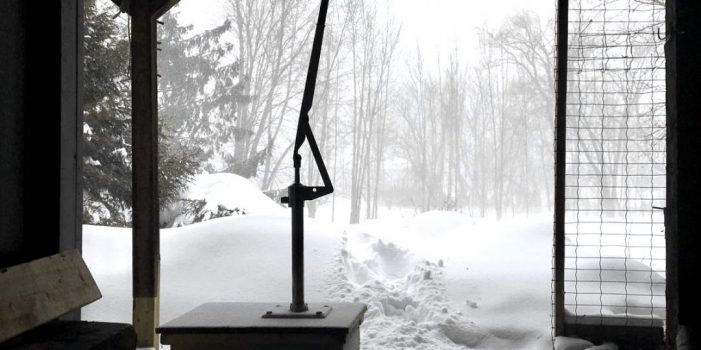
If you live in the northern hemisphere then it’s that time of the year when things are getting cold and, depending on how far north you live, covered in white stuff. Around Thanksgiving I start planning my various winter outdoor activities such as hiking, camping, skiing and snowshoeing trips, and I thought it would be a good time to review some considerations for surviving and operating in winter conditions. Why would anyone want to be outside in the cold and snow? Because in a post-disaster scenario you may not have a choice, and being able to operate effectively outdoors in a winter environment can potentially provide you with a significant advantage since most people will probably be doing everything they can to avoid it. I know that a lot of you hunt in late fall/winter time, so I encourage you to share any tips or experiences you may have in the comments.
I link to a number of different products in this article – a lot of these are things that I own, have used, or have had significant interactions with people that have used them. I find they work well for me and my requirements, but you should do some research and figure out what would work best for you. You should also note that as with any outdoor activity, being outside in cold and snowy conditions can result in bodily harm and injury, so make sure you’re prepared and properly equipped, let someone know where you’re going and when you’ll be back, and always have some way to call for help in case of an emergency. If you’re new to outdoor winter activities do some research, take some training or participate with someone that has experience.
Since this is a long article that’ll be broken up into several installments I want to provide an overview of what I’ll be covering:
- Health
- Medical Treatment
- Clothing
- Shelter
- Sleeping
- Fire
- Food
- Water
- Movement
- Firearms
- Electronics
- Operational Considerations
What is ‘Winter’?
The beginning of winter is usually considered to be the shortest day of the year, but I consider it to be any extended period of time where the temperature will consistently stay below 60°F. Why 60°F? – because you can be subject to hypothermia in wet or windy conditions below 60°F, so you need to be prepared to handle those colder environments. Real winter also tends to bring a lot of interesting and exciting weather conditions such as extreme cold, snow, blizzards, freezing rain, ice, ice fog, temperature inversions, whiteouts, low humidity and wind chill effects, any and all of which can have significant impacts on your body and your operational activities in the outdoors. Generally it’s a good idea to avoid going outside in conditions that can kill you, but in a post-disaster world you may be forced to in some circumstances so you need to be prepared. I know that doing things like camping and hiking in winter conditions might seem somewhat frivolous and a little crazy, but I’d rather learn what works and how to do things right while I have safe fallback options rather than when I’m forced to.Continue reading“Cold Weather Considerations – Part 1, by JM”