Introductory Disclaimer: This essay’s information is scientific in nature, so please perform your own due diligence in understanding the terminology and techniques prescribed forthcoming and tailor them to your own needs. I am not responsible for any damage/injury caused in the misuse of this information.
Historical Account
Patients undergoing routine operations were at very high risk of infection in the early 1900s due to the limited concept of aseptic conditions. This lack of understanding of microbes, caused high levels of infection and even death during surgical procedures of their day. Some factors of the spreading of microbes in times past were that surgeons operated in street clothes without washing their hands. They used sewing thread to suture wounds, and stuck the needles in their frock coats then using the same needle on different patients without washing. Cotton/jute from the floors of cotton mills were the surgical dressings of the day.
Louis Pasteur
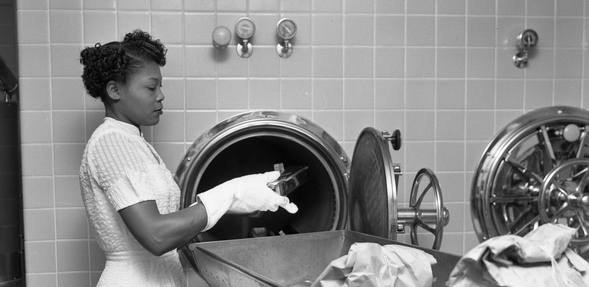
Pasteur was the father of germ theory and spent most of his life to the calling in disease related to surgery. He held many inventions such as the autoclave in which to sterilize surgical instruments. It utilized steam and high pressure over a period of time to eliminate microbes. In addition, he was the inventor of what you might already know—pasteurizing milk.
Joseph Lister
English surgeon, Joseph Lister, founded modern antiseptic surgery and based much of his advancements from the study of Luis Pasteur. Lister used a solution of carbolic acid (phenol), to disinfect patients before and during surgical procedures. Evidence proved that the mortality rate of patients improved whilst utilizing his techniques and procedures. However, selling that idea to the masses of surgeons whom held mindset that nothing they can’t see could possibly kill their patient, would take some years and hard checking of “egos” in order to become mainstream in surgical advancements.Continue reading“Sterilization Techniques for Coronavirus, by A Wife First”