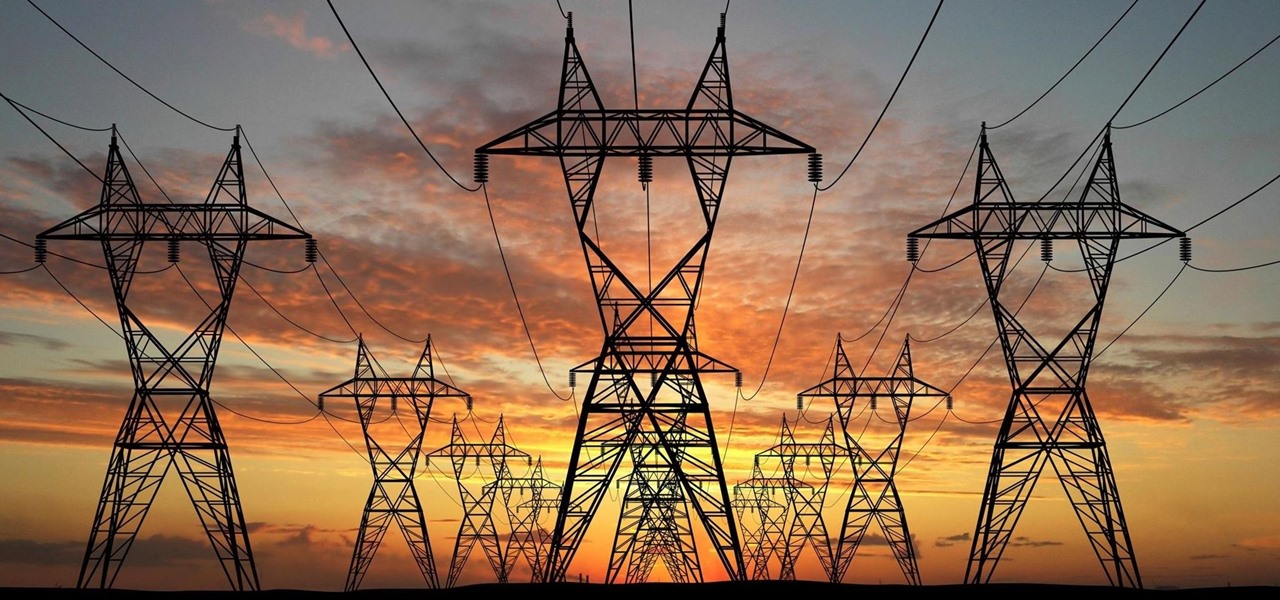
SurvivalBlog presents another edition of The Survivalist’s Odds ‘n Sods— a collection of news bits and pieces that are relevant to the modern survivalist and prepper from “JWR”. Our goal is to educate our readers, to help them to recognize emerging threats and to be better prepared for both disasters and negative societal trends. You can’t mitigate a risk if you haven’t first identified a risk. Today, we look at how solar superstorms are projected to affect the national power grids.
All 50 States Have Declared Disasters
Linked over at the Whatfinger.com news aggregation site: All 50 states under disaster declaration for first time in US history. A snippet:
“All 50 states are under a major disaster declaration for the first time in U.S. history, after President Trump approved Wyoming’s declaration Saturday.
Within 22 days, Trump declared a major emergency in all 50 states and most territories through the Federal Emergency Management Agency (FEMA). The final disaster declaration occurred on the same day U.S. surpassed Italy to become the country with the most deaths from the virus.
Trump approved the first major disaster declaration for coronavirus in New York on March 20, followed two days later by Washington and California, the early hot spots of the virus. New York has become the hardest-hit state, recording 188,694 positive cases and 9,385 deaths from the virus, according to the state’s health department.
The U.S. Virgin Islands, the Northern Mariana Islands, Washington, D.C., Guam and Puerto Rico all received approved major disaster declarations. American Samoa is the only U.S. territory that has not received a disaster designation. “
3-D Printers Get Past Biometric Security
Reader C.B. sent this: 3-D printers help override biometric security measures
Solar Storms: Where the Power Might Go Out
Reader A.D. sent us this fascination article about the threat of solar superstorms: Where the Power Might Go Out. Take a close look at the included maps. Here is a pericope:
“Whether or not *your* power goes out during a solar storm depends on two things: (1) The configuration of power lines in your area and (2) the electrical properties of the ground beneath your feet. In areas of more electrically resistive rock, currents struggle to flow through the ground. Instead, they leap up into overhead power lines – a scenario that played out in Quebec in 1989.”