There is a significant tactical difference between cover and concealment. Concealment only protects from observation, while cover protects from hostile fire. But it is true that clearly seeing your target can significantly increase your chances of hitting it. This principle is what can make optics such a significant component in a firearm system.
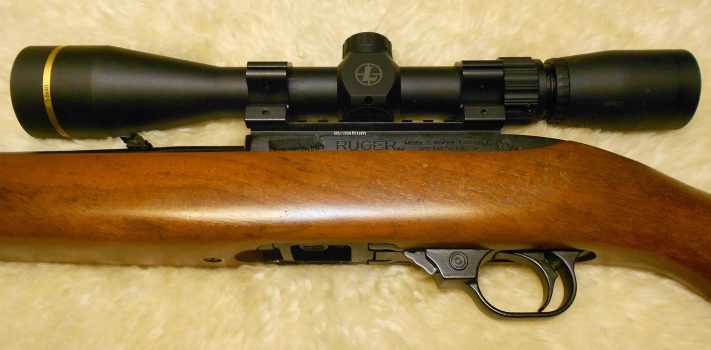
October 27 through 29, 2020, SurvivalBlog published my range report on the Browning BAR MK3 in .243 Winchester. Leupold was kind enough to loan me their VX-Freedom 3-9X40 Tri-MOA scope with a 1″ tube to help with the evaluation of that firearm. Now I would like to give a more extensive report on the scope itself. The scope is completely designed, machined, and assembled in the USA.
Opening the Box
When the scope was delivered, the shipping box contained the packaging for the scope plus a set of Leupold Browning BAR Quick Release Bases. I needed rings rather than bases, so I ordered the rings from Amazon and did not use the bases.
The shrink-wrapped scope box was well designed to protect its contents. In addition to the scope it contained a helpful manual and a Leupold sticker.
Mounting the Scope
After the Leupold Rifleman rings I ordered from Amazon arrived, I mounted them on the rail I had installed on top of the BAR.
I then removed the top half of the scope rings, placed the scope into the rings, and loosely reattached the top half of the rings. Next I set the scope to maximum magnification, and slid the scope in the rings until it was as far forward as possible while still allowing the sight picture to fill the scope (maximum eye relief).
After this I detached the scope and rings, placed the rifle in a padded vise, placed a level on the rail, and adjusted the rifle in the vise until it was level. I then reattached the scope and rings, rotated the scope in the rings until it was also level, and then gently and evenly tightened the rings in a crisscross pattern until they were secure.
Finally, I focused the reticle by loosening the locking ring on the bezel, pointing the scope at a distant solid color background, and then rotating the focus bezel until the reticle appeared sharp. I then closed my eye for several seconds, and reopened it to make sure that the reticle remained sharply focused. I finished up by tightened the locking ring.
After bore sighting the rifle with a laser bore sighter, I tested the cheek weld by closing my eyes, shouldering the rifle, and then opening my eye to see whether the red dot from the laser bore sighter remained in the center of the crosshairs. Although the comb of the rifle gave me the impression that it was just a little low, I was able to achieve a consistent cheek weld.Continue reading“Review: Leupold VX-Freedom 3-9X40 Scope, by The Novice”