(Continued from Part 1.)
Back to the matter of radio spectrum: It is regulated by the government, and it pretty much has to be. No matter how libertarian you lean and no matter how dim your view of government power, somebody has to regulate the spectrum, or it would be completely useless, with would-be users interfering with each other left and right. Every developed nation has a government agency that allocates radio spectrum to different uses, and in turn countries cooperate internationally via various treaties and agreements.
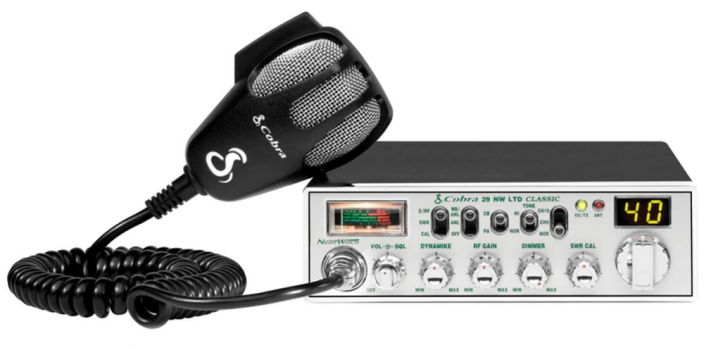
In the United States, this responsibility has been delegated by Congress to the Federal Communications Commission (FCC). Setting aside the Constitutionally dubious nature of such a delegation, that is the legal reality. The FCC hands out licenses for people that entitle them to use different parts of the radio spectrum for different purposes, such as broadcast radio and TV, public safety, mobile phones, military, etc. As a basic rule, you are not allowed to make any radio transmission without a license. There are a few slices of spectrum that are available for the public to use for personal communication, and I discuss those later in this article.
Obviously, if we suffer a complete breakdown of the rule of law, then much of this may go out the window (along with the National Firearms Act, for that matter). However, radio communication takes practice to be useful in an emergency, and it is much more likely you will need your radio gear in a situation that is short of a complete societal breakdown. As a result, it is helpful to know the rules, at least in broad strokes, and to have a plan for how to communicate within them.Continue reading“Radios for Emergency and SHTF Use – Part 2, by Rufus King”