Beans are indeed, as the song goes, “a magical fruit”, yet not only because they make you toot, but because of their high protein content, and other nutrition they provide. However, along with the excellent nutritional value that comes with beans is a serious problem that plagues those who would use a large quantity of this dry staple good as a low-cost and long-term storage food. Peas and lentils–that are also legumes–do not have this same problem as do beans. It comes with age. Beans become increasing difficult to re-hydrate and cook as they age in storage, whether stored in their original plastic or heavy paper bags in the back of a closet, or in ideal conditions such as in a mylar bag with oxygen absorbers in plastic buckets located in a cool, dry place.
The better the method of storage, the longer the beans might remain viable as food. As a bean lover who regularly eats beans for breakfast, beans are a significant part of my diet. Therefore this problem is of greater significance than it would be for others who would only consume beans occasionally. And this is more of a problem for those who began to create their food storage as early as Y2K, or in anticipation of the 2008/9 financial crisis, and still have a considerable quantity of beans that would be more than 10 years old. The problem is compounded as we replaced old beans by newer stocks of beans by simply adding to our larder, as these too are also aging, and will soon reach the point where the normal means of cooking them, including the use of pressure cookers, no longer work well.
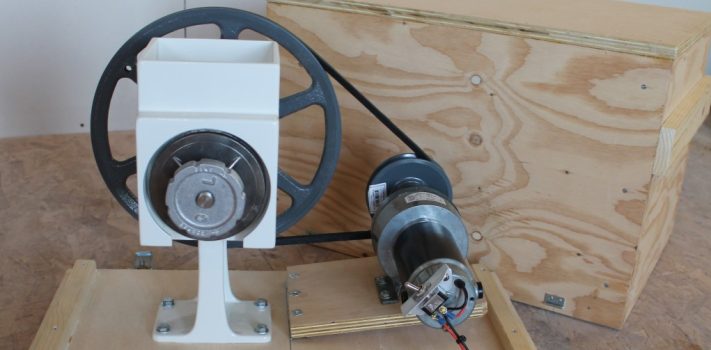
Some 10-year-old beans can still be made edible with several hours of cooking in a pressure cooker. Though digestible, these beans can still be considered slightly undercooked, or uncooked, and are not pleasing to the palate. To solve this problem, I broke out my Country Living Mill, and installed the bean and corn auger. The bean and corn auger also works with wheat, so it has replaced the auger that comes with the mill that is intended for smaller size grains only, such as wheat. I now use the ‘bean and corn’ auger for everything.Continue reading“Solving the Hard Bean Problem with a Grain Mill, by Tunnel Rabbit”