Readers’ Recommendations of the Week:

SurvivalBlog reader D.S. stated that 85% of the movies his family watches are Christian based. Ragamuffin was great, but pre-screen for your children.

He also recommended No Greater Love as another good family movie.

o o o

Reader K.W. notified us that The Heavy Water War is now available on Netflix. It is the story behind Hitler’s plan of Germany developing the atomic bomb during WWII and the heavy water sabotages in Rjukan, Norway. Presented from four angles: the German side, the allied, the saboteurs, and the company side. It is mixed with English and subtitled Norwegian/German. The series does a great job of communicating the Norwegian situation, the courage of the Norwegian partisans, and the challenges of war without too much blood and guts (and no sex). See Wikipedia’s coverage of the amazing Norwegian resistance effort: Norwegian heavy water sabotage.

o o o

Reader AVD recommended the Powerless Nation series of books: Outage, Voyage, and Sabotage. The storyline follows different characters as they survive when the power goes out due to an EMP.

o o o

If you have any books, movies, or videos that you would like to recommend to SurvivalBlog’s readers, email us.


Odds ‘n Sods:

SurvivalBlog reader JBG sent in this article showing that the German Govt Has New Trojan Horse Malware To Spy On Citizens’ Calls, Typing AND See Through Their Cameraphones

o o o

Former CIA Director Warns of Nuclear-Generated Electromagnetic Pulse Attack Excerpt: “You can have a relatively long period of time where not just the Russians and the Chinese but the Iranians and the North Koreans are capable of launching a missile. Let’s say they launch it to the south instead of north so nothing picks it up, no radars, no nothing, and it comes around the South Pole, goes into polar orbit and just kind of keeps going, it’s got a nuclear weapon in it. We may be living with threats like that for some time.” – Sent in by B.B.

o o o

This is my kind of business: GA Business owner is now requiring all employees to be armed – Submitted by T.P.

o o o

Federal judge chastises DoJ in noncitizen voter registration case or “The fix is in.” – Submitted by B.B.

o o o

First Merit Bank has apparently joined in on Obama’s “Operation Choke Point” closing the account of licensed, bonded and insured Farnsworth Auctions LLC (Requires Facebook account to view.)


Hugh’s Quote of the Day:

“It will be a great day when taxpayers can keep all the money they earn, and professional sports teams have to hold bake sales to finance stadium construction.” – Doug Newman


Notes for Tuesday – February 23, 2016

On February 23, 1840, former President John Quincy Adams began to argue the Amistad case in front of the U.S. Supreme Court. A practicing lawyer, member of the House of Representatives, and son of America’s second president who was an avowed abolitionist. Though John Quincy Adams downplayed his abolitionist stance, he also viewed the practice as contrary to the nation’s core principles of freedom and equality. In the arguments, Adams attacked Van Buren’s abuse of executive power. In a dramatic moment, Adams faced the judges, pointed to a copy of the Declaration of Independence hanging on the courtroom wall, and said “[I know] no law, statute or constitution, no code, no treaty, except that law…which [is] forever before the eyes of your Honors.” Adams’ skillful arguments convinced the court to rule in favor of returning the Africans to their native country.

o o o

Today, we present another entry for Round 63 of the SurvivalBlog non-fiction writing contest. The nearly $12,000 worth of prizes for this round include:

First Prize:

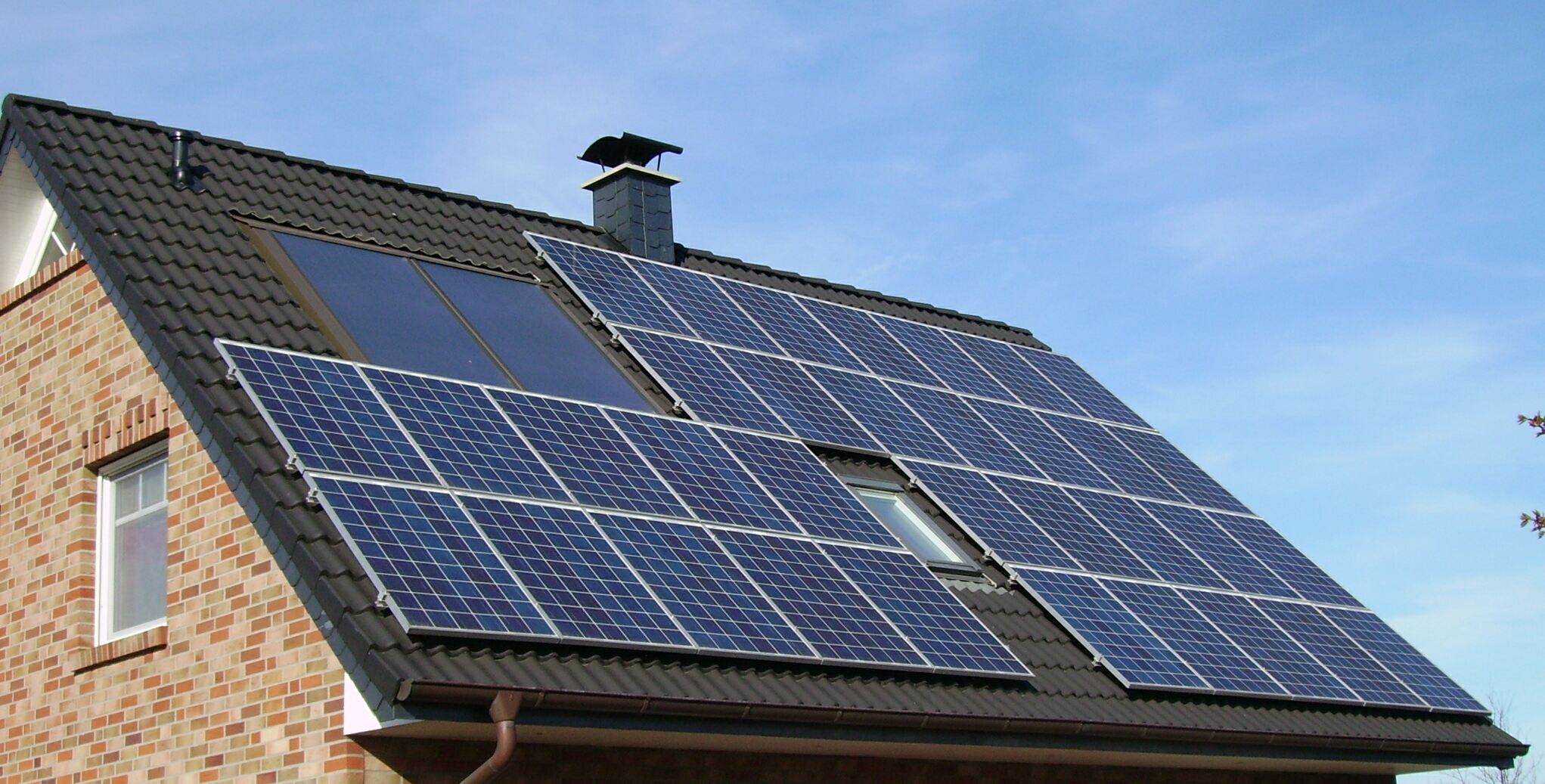
  1. A Tactical Self-Contained 2-Series Solar Power Generator system from Always Empowered. This compact starter power system is packaged in a wheeled O.D. green EMP-shielded Pelican hard case (a $1,700 value),
  2. A Gunsite Academy Three Day Course Certificate that is good for any one, two, or three day course (a $1,195 value),
  3. A course certificate from onPoint Tactical for the prize winner’s choice of three-day civilian courses, excluding those restricted for military or government teams. Three day onPoint courses normally cost $795,
  4. DRD Tactical is providing a 5.56 NATO QD Billet upper with a hammer forged, chrome-lined barrel and a hard case to go with your own AR lower. It will allow any standard AR-type rifle to have a quick change barrel, which can be assembled in less than one minute without the use of any tools and a compact carry capability in a hard case or 3-day pack (an $1,100 value),
  5. Gun Mag Warehouse is providing 20 Magpul PMAG 30-rd Magazines (a value of $300) and a Gun Mag Warehouse T-Shirt; (an equivalent prize will be awarded for residents in states with magazine restrictions),
  6. Two cases of Mountain House freeze-dried assorted entrees in #10 cans, courtesy of Ready Made Resources (a $350 value),
  7. The Ark Institute is donating a non-GMO, non-hybrid vegetable seed package (enough for two families of four) plus seed storage materials, a CD-ROM of Geri Guidetti’s book “Build Your Ark! How to Prepare for Self Reliance in Uncertain Times”, and two bottles of Potassium Iodate (a $325 retail value),
  8. A $250 gift certificate good for any product from Sunflower Ammo,
  9. KellyKettleUSA.com is donating both an AquaBrick water filtration kit and a Stainless Medium Scout Kelly Kettle Complete Kit with a combined retail value of $304, and
  10. Two cases of meals, Ready to Eat (MREs), courtesy of CampingSurvival.com (a $180 value).

Second Prize:

  1. A Glock form factor SIRT laser training pistol and a SIRT AR-15/M4 Laser Training Bolt, courtesy of Next Level Training, which have a combined retail value of $589,
  2. A transferable certificate for a two-day Ultimate Bug Out Course from Florida Firearms Training (a $400 value),
  3. A Model 175 Series Solar Generator provided by Quantum Harvest LLC (a $439 value),
  4. A Trekker IV™ Four-Person Emergency Kit from Emergency Essentials (a $250 value),
  5. A $200 gift certificate good towards any books published by PrepperPress.com,
  6. A pre-selected assortment of military surplus gear from CJL Enterprize (a $300 value),
  7. RepackBox is providing a $300 gift certificate to their site, and
  8. Safecastle is providing a package of 10 LifeStraws (a $200 value)

Third Prize:

  1. A Royal Berkey water filter, courtesy of Directive 21 (a $275 value),
  2. A $245 gift certificate from custom knife-maker Jon Kelly Designs, of Eureka, Montana,
  3. A large handmade clothes drying rack, a washboard, and a Homesteading for Beginners DVD, all courtesy of The Homestead Store, with a combined value of $206,
  4. Expanded sets of both washable feminine pads and liners, donated by Naturally Cozy (a $185 retail value),
  5. Two Super Survival Pack seed collections, a $150 value, courtesy of Seed for Security, LLC,
  6. Mayflower Trading is donating a $200 gift certificate for homesteading appliances,
  7. Montie Gear is donating a Precision Rest (a $249 value), and
  8. Two 1,000-foot spools of full mil-spec U.S.-made 750 paracord (in-stock colors only) from www.TOUGHGRID.com (a $240 value).

Round 63 ends on March 31st, so get busy writing and e-mail us your entry. Remember that there is a 1,500-word minimum, and that articles on practical “how to” skills for survival have an advantage in the judging.


Winter Survival- Part 1, by R.C.

In this three-part series on winter survival, we will examine surviving the winter on foot, in your vehicle, and in your home. We have all seen the videos of the recent storms and how even though the news have been reporting nonstop on the dangers of winter travel, the general public is out in it woefully unprepared. If you are reading this from your warm armchair or desk, I’m probably preaching to the choir. In the past I have been a snowplow operator, a first responder, and an instructor of CPR/First Aid and wilderness first aid in the Intermountain West. In my current line of work I have to occasionally work outside, and I am an avid outdoorsman.

On Foot

Rule #1 is that when the local authorities tell you to stay off the roads and stay home, please do so. I can’t tell you how many times I was plowing snow or responding to vehicle off-the-road calls when those people probably did not need to be out in the snow. There are a couple of sayings I used to teach Boy Scouts about winter survival:

  • There is no such thing as bad weather, only bad gear,
  • An Eskimo can’t afford to sweat, and
  • Cotton is rotten.

There are three types of winter gear I own— work gear, hunting gear, and ski gear. Yes, you can use one for the other, but we will stay with the prepper motto “three is two, two is one, and one is none”. I could ski in my carharts and work in my ski gear, but I choose not to. YMMV.

I want to stay with the rule of three’s for layering, starting from head to toe. First is a base layer, second is an insulating layer, and third is a waterproof/windproof layer. We will start with the head; even in the winter I still wear a mesh ballcap on top of my head. This lets the heat escape from my head if I’m moving. If I slow down or start getting cold I’ll put on an ear warmer or fleece/thinsulate hat over top of my ballcap. Then I add a neck gaiter to keep heat from leaving my face and neck area. If it is raining or snowing, I will wear a waterproof boonie or put my hood up. Don’t forget sunglasses or ski/military goggles; the winter sun reflects up and can burn your eyes and exposed skin. Please don’t forget sun block and lip stuff with a high spf. Some of worst sun burns I’ve seen in scouts have been from winter outings.

The core layer is next, using the same rule of three. Start with a base layer of polypro that breathes, then an insulating layer like fleece and finally a waterproof breathable outerwear like Gore-tex or similar membrane. I keep both gloves and mittens with extra liners in my pack to mix and match to current conditions found. The beauty of a three layer system is that you can put on or take off layers as need be. By keeping your core warm and dry and not sweating much, you can spend hours outside and still be comfortable. The feet can be the most difficult part to keep warm. Again, think about three layers. Start with polypro liners, then a pair of wool blend socks, followed by waterproof boots. I use the rubber mil surplus mickey boots or a leather Gore-tex insulated boots, depending what I’m doing that day. You can carry chem toe heaters or battery heated soles as well as extra socks if you have the room in your pack.

What to carry in regards to your EDC and/or your get home bag can fill pages of this and other blogs. This is what I try to carry. I’m a big guy carrying a big pack, probably too heavy for me and most people. Yes, I have a problem, I know. On my person I always have my phone, Leatherman, rescue knife, compact .40 handgun, extra magazine, a lighter, lip stuff, paracord belt, watch, ball cap, and photogray type eye glasses. I normally wear Gore-tex boots and comfortable clothing I could hike in year round. I keep extra cash hidden away and a pen and paper to write things down so I don’t forget. I carry a small amount of first-aid supplies in my wallet; this includes knuckle band aids, small triple antibiotic, CPR barrier, and a threaded needle. I can use the needle for clothing repair, to get a splinter out, or even to pop a blister. Just heat needle, cover with triple antibiotic, poke through the blister, and leave thread sticking out boths sides covered with triple antibiotic. Then, cover with a band aid and/or moleskin. Walking in snow boots can give you blisters and hot spots. Another scout trick is to put duct tape on your heals or other parts of your feet before you start hiking. If you don’t want to pop blisters that’s fine; just stop and deal with any feet problems as they arise. I carry a small flashlight on my carabiner key chain as well as a light on my phone. I can start a fire with my bic lighter or with my small frenzel lens in my big boy wallet. The lens is also helpful for reading small print or getting splinters out. I always carry at least one camo bandana in my back pocket with my spare .40 magazine.

In winter survival your water should be carried inside your clothes, if you can. I’ll wear a small camelback-style water carrier on my back so it does not freeze, or I’ll put a couple water bottles in my pockets. Then I carry extra water in my pack with a way to treat the water as well as melt the water. I carry a stainless steel water bottle so I can melt snow or thaw out ice in my container. To melt snow, I can start a fire or use an alcohol stove, like an esbit stove, or use their fuel tabs. You should have three ways to to start a fire and three ways to treat water. Using fire to boil water and chem tabs along with neutralizing tablets or a filter, like a small Sawyer filter, will get the job done. Dehydration is deadly in the winter, so you have to force yourself to stay hydrated. The worst dehydration I’ve seen has been scouts in the winter again. Have a buddy system, if you can, and keep track of the amont water you drink. Keep track of how much you pee as well.

The winter pack can quickly get rather large. I use an ILBE camo pack that can handle bulky winter clothes and gear. Inside my pack, I carry a winter sleeping bag like a miltary sleep system with a bivy sack, and Gore-tex rain gear with suspenders, polypro base layer, a hat, and gloves in the pockets. My first aid kit is large and heavy and used as a teaching aid. For food, I carry survival bars, jerky, trail mix, and peanut butter. Think pemmican, which is how American Indians survived the winter. I also carry some oatmeal, coffee, and a couple cup-a-soup packages. I carry a headlamp, spare batteries, and an inflatable solar lantern. There is also a large belt knife and long handle tomahawk as well as a container of bear spray. I carry a tarp along with a bunch of 550 cord attached to the outside of the pack. If I feel the need, I can include my kit for food procurement, which contains snares, a fishing kit with yo-yo reels, and a slingshot with extra bands and ammo. For nav & coms, I have a compass and maps, GPS radio combo, cell phone, and small wind up radio with charger cables and a power pack to recharging my cell phone. This is another heavy kit that adds more weight. For hygiene, I carry tp and hand sanitizer along with wet wipes. If you are going to carry emergency space blankets, please don’t buy the cheap ones. Purchase higher quality bivy sack types, then put in a couple 55-gal heavy trash can liners. You can cut a slit for your face to breathe. Winter survial on foot can be a frightening experience if you are not prepared and are not familiar with cold weather environments. Here is a quick review check list for on foot wilderness survival.

  • Three layers for head, body, hands, and feet.
  • Eye protection, sun & lip stuff, first aid kit, hygiene kit.
  • Three ways to start a fire and melt and treat water.
  • Extra food and a way to cook and make warm drinks.
  • A way to shelter from the cold.
  • Three ways to defend yourself and obtain food.
  • Three ways to see in the dark.
  • Three ways to navigate and communicate.

In part 2 of winter survival, we will look at winter survival in your vehicle. Then, in part three, we will look at winter survival at home. As we have said before and we told our scouts, “Good judgment comes from experience, and alot of experience comes from bad judgment.”


Letter Re: How to Prepare a Refugee Bug Out Bag

Hi Hugh,

I just want to quickly reply to the post after having first-hand experience in Europe witnessing the refugee flow. Backpacks and roller bags are what many had for a bag. This was, I believe, owing to the fact that boat, bus, and train travel was extensively used by the Middle East refugees. They planned their travel. They also were overwhelmingly young men, capable of hauling more weight on average. I would have guessed by the very modern attire everyone wore, that their bags contained clothing and toiletries. They were well groomed and clean looking refugees! Charles T suggests carrying. However, any of those refugees carrying would have been minimally arrested but more likely shot dead. Also, what Charles T didn’t state, at least yet, is to carry a phone and cash. These weren’t people without at least some money, which was pooled to rent a hotel for example, and all had a cell phone. To sum it up, they were seeking refuge, not looking to pitch camp. They relied on the “host countries” to provide minimum service and they also heavily relied on those going before them to update them of things via phone. Europe’s infrastructure is better suited than the U.S. for rapid mass public transit movements of people (remember Katrina?). Bug in whenever you can! – JJ in Wisconsin


News From The American Redoubt:

Video: The Oregon state sheriff association press release and Kris Ann Hall’s response to it. It’s pretty obvious that the police are (or at least think they are) federal. – J.A.

o o o

Eastern Washington ought to secede sooner rather than later. Those that couldn’t foresee this result from the lunatic “gender neutral” laws are ignorant progressives. – T.Z.

o o o

There are still some slots available for the North Idaho Boomershoot. (April 22-24.) This is a Rite of Spring, Idaho style. You gotta love an event where you legally shoot at explosives. OBTW, bonus points (and a free autographed book) to the first SurvivalBlog reader who writes an after-action report. – JWR

o o o

Course Description for the 05-06 March SHTF Intelligence course in Kalispell, Montana and 12-13 March in Spokane, Washington. Folks in the American Redoubt should consider attending this to add to your bundle of skillsets. Thanks to John Jacob (of RadioFree Redoubt) for the heads up.

o o o

Oregon Lawmakers Rush to Shield Name of Alleged Officer Who Shot Lavoy Finicum – RBS


Economics and Investing:

It Has Begun! Excerpt: “The process of discovering true value has begun, as indicated by the decline in the S&P, decline in the Shanghai Index, rise in gold stocks, rise in gold, and rise in silver. Expect it to continue.”

o o o

We normally stay away from “zombies”, but this one is too good to pass up: No Way Out – B.B.

o o o

Items from Professor Preponomics:

US News

US Consumers Can’t Save the World Economy (Business Insider) Excerpt: “Consumption-led growth will help the U.S. economy expand by 2–2.5% again this year,” wrote Quinlan. “That’s good but not good enough for cyclical and structural reasons to prevent further downward pressure on global growth. The U.S. consumer just isn’t the powerful global growth engine it once was.”

Why According to One Bank, Massive Central Bank Intervention is Imminent (Zero Hedge) Excerpt: “Said otherwise, if next weekend the G-20 disappoints and unveils nothing, the next big leg down in the selloff will have arrived. How likely is such a major intervention? Keep an eye on the recently surging price of Bitcoin for the answer, and also Vancouver real estate, of course.” Warning: Commentary following article may contain bad language and/or inappropriate avatars.

Treasury Deposits at Fed Prop Up Money Supply Again in January (Mises) Excerpt: “For decades, treasury deposits remained at consistent levels, but since the financial crisis, treasury deposits have surged again and again. Today, they are now a significant factor in the movement of the total money supply, and have become an increasingly large factor over the past year.” Interested in more details about what makes up the money supply? Here’s the Austrian perspective at Mises with more information for interested readers: True Money Supply

International News

The Stressed-Out Oil Industry Faces an Existential Crisis (Bloomberg) Excerpt: “Welcome to oil’s new world order, full of stresses, strains and fractures. For leaders gathering in Houston next week at the IHS CERAWeek conference – often dubbed the Davos of the energy industry – a key question is: what will break first?” Warning: A video accompanies the type written report and may auto-launch.

EU’s Real Brake Isn’t Britain But Franco-German Impasse (Reuters) Excerpt: “Forget Brexit. The real obstacle to deeper European integration is not the awkward British, whether they choose to stay in the European Union with a “special status” or leave. It is a long-running Franco-German impasse on how to make the euro zone stronger and more sustainable, reconciling two radically different economic and political cultures.”

New Market Storm Could Catch Euro Zone Unprepared (Reuters) Excerpt: “…the storm clouds are gathering above a tenuous and slow euro zone economic recovery….”

Personal Economics and Household Finance

7 Top Tips for Saving Money in the Garden (This Little Home) Excerpt: “Here are my top tips to help you save money when gardening.”

How to Start a Garden on a Budget (Tenth Acre Farm) Excerpt: “ROI in the realm of vegetable gardening tends to be gradual. You’ll grow more and more produce each year as you hone your skills and become accustomed to your little slice of heaven. This fact can work in your favor. It means that the money you spend on development can also be gradual to match the gradually increasing return. If it were easy to grow $1,000 of produce in your first year, then the tips in this article would be a lot different! Expect your first year to be the starting point that it is. There’s no where to go but up!”

o o o

SurvivalBlog and its editors are not paid investment counselors or advisers. Please see our Provisos page for details.


Odds ‘n Sods:

Pastor Chuck Baldwin: Why Rand Paul Lost; Why Freedom Is Faltering

o o o

The Enemy is Here – and our leaders are doing nothing. – SurvivalBlog reader K.F. sent in the link to the counter-jihad site. There are some excellent articles here dispelling the myth that moderate Islam is harmless.

o o o

Reader B.B. sent in the link to Bearing Arms’ article profiling Polycase’s Ruger ARX ammo which is a polymer/copper composite. It’s a 10-minute video with some standard FBI tests comparing it to proven performers (Speer Gold Dot and Federal HST). If you are looking for a lead-free alternative, this might be for you, but it doesn’t perform well against these proven Self Defense loads.

o o o

Reader RBS sent in this article with some amazing pictures of a Unique Wartime Aircraft Collection that Spent 40 Years in a Texas Barn. If you are a classic military airplane buff, you need to see this one.

o o o

The Caterpillar S60 Is The First Smartphone To Have Built-In Thermal Imaging – sent in by G.P.


Hugh’s Quote of the Day:

“The meaning of economic freedom is this: that the individual is in a position to choose the way in which he wants to integrate himself into the totality of society.” – Ludwig von Mises


Notes for Monday – February 22, 2016

On this day in 1732, George Washington was born in Westmoreland County, Virginia, the second son from the second marriage of a colonial plantation owner. An initially loyal British subject, Washington eventually led the Continental Army in the American Revolution and became known as the father of the United States.


Pat Cascio’s Product Review: Gerber Prodigy Tanto Knife

For a lot of years, Gerber knives was a major player in the cutlery field. However, some years back, they fell out of favor with a lot of consumers, and their line-up of knives really shrank quite a bit. Honestly, it’s been at least 15 years or longer since Gerber sent me any knives for articles. I don’t know if it was a change of shifts or powers-that-be, but they stopped sending me knives to write about. That’s okay; there are more than enough knife companies that do send me samples for testing and articles. One of the best fixed blade knives that Gerber made, in my humble opinion, was their BMF. It was a huge 9-inch fixed blade, Bowie-style knife, perfect for camp chores or survival purposes. It’s no longer made, and I regret not having one in my meager knife collection.

Today, Gerber is on the rise once again, and many of their knives are being produced overseas, which is something I thought I’d never see from Gerber, as they were making all their knives in the USA at their plant in Portland, OR. However, with the global economy and global market, you either jump on the wagon train or you are left behind and will more than likely go out of business. Today, Gerber has a huge selection of knives and other gear to choose from. Keep in mind that you usually get what you pay for when it comes to knives made overseas. If you want a cheap $2 knife, they will make that for you. If you want a high-end $500 knife, they will produce that for you as well. So, don’t let “made in China” or “made in Taiwan” scare you off.

100_6371

Last summer, I was cruising the Amazon website for something when an ad for the Gerber Prodigy fixed blade Tanto knife kept popping up for some reason. You know how those “cookies” work on computers; if you once look at something, cookies picks this up and ads will pop-up for weeks with that product. I was more than a little intrigued with the Gerber Prodigy that I kept seeing, so much so that I finally ordered one. The price was right, too. Gerber advertises this knife on their website for $73, and I got my sample for $37.97 with free shipping from Amazon.com. Wait, that can’t be? Yep, it was $37.97 with free shipping!

100_6373

Surely, this Gerber Prodigy wasn’t going to be up to my high expectations in a good survival blade, but it wasn’t that much money to lose if the knife wasn’t all that good. A close look at the Prodigy shows that it has a 4.75-inch Tanto blade; for deep penetration, it’s hard to beat this style of blade. The blade is made out of 420HC, which is a fairly common stainless steel and a good steel, too. The handle is made out of some sort of green synthetic rubbery-type of material that is called FG504, and the sheath is really sweet, too. It not only locks the Prodigy into it with a loud “click” from the design of the locking portion of the sheath, it also has a strap to further lock the knife in place. This hummer is jump proof, for those of you in the military airborne. The sheath also allows you to attach it to your belt, with an added strap that wraps around your leg, but you can also secure it to military MOLLE gear. (The sheath that came with my sample is the military ACU camo color.)

100_6374

The Prodigy came in that pain in the rear blister packaging, and I needed a good sharp knife to cut the packaging open. It was obviously designed for sale in the big box stores, where it can be hung on a counter or display rack, making it easy to see but very hard to shoplift without removing the knife from the blister pack. On top of it all, the Prodigy is made in the USA! Huh? A knife of this quality and at this price is made in America? That couldn’t be! However, I checked it out on the Gerber website, and sure enough the knife is made in America. I also elected the partially-serrated blade that is serrated for approximately one-third of the blade. A serrated blade is great for cutting rope, especially wet rope or poly rope, and rips right through it. It’s nice for survival purposes, too.

The blade is blackened. I don’t think it is TiNi coated but just a black, tough powder coating for that subdued look that is great for military use. The cross guard is also black, and it appears to be made out of aluminum. It is non-magnetic. Then we have the FG504 hard rubber handle. The pummel is pointed with a lanyard hole on the end of it, and a piece of 550 para cord was attached, which is nice, real nice! The rubberized handle also has some friction grooves molded into it for a very secure grip on the knife in any weather conditions. That’s another great touch, if you ask me.

100_6375

To be sure, Gerber makes this style of fixed blade knife in several different blade styles, as well as with several slightly different colors and other variations. Some are called a “military” knife; however, they are all basically the same knife. So if you don’t like the Prodigy, though I don’t know why you wouldn’t, you can easily find a similar style from Gerber. There is actually quite a selection to pick from. I’m thinking about getting another one with a different color and/or style of blade for the money.

100_6377

Over the course of a couple weeks, during our super-hot summer in Western Oregon, I put the Prodigy through its paces, slicing and dicing all manner of material. The Prodigy came hair-popping sharp from the package, too. It could easily slice through a blackberry vine, and if you’ve never tried to cut this material you’d be surprised how super-tough it is to cut through with a single swipe of the blade. I also easily sliced through poly rope and hemp rope was no challenge. Much to the dismay of my German Shepherds, who love to tear apart boxes that UPS and FedEx bring me, that chore was reserved for the Prodigy. I cut through a lot of boxes, slicing them until there wasn’t nothing much left, but my “boys” still had plenty to fight over and chew apart when I was done.

100_6378

I did some knife throwing, never expecting the Prodigy to stick in a tree, and it never did. However, the point of this part of the testing was to see just how tough the knife was. Yeah, the blackened blade got scuffed up a bit, as did the rubberized handle, but it was only cosmetic. The knife wasn’t damaged. During all of my testing, the knife never needed to have the blade touched-up. It stayed sharp, even during some kitchen chores like cutting meat and veggies.

In my knife testing, I do not test to destruction. Any knife, no matter who makes it, can be broken. Any knife! I’ve received e-mails from some SurvivalBlog readers over the years asking me why I don’t try to break knifes I get for testing. Well, as I said, any knife can be broken. Nothing is U.S. Marine-proof, if you ask me. However, if you use a knife as a cutting/chopping tool, it will serve its intended purpose as a tool. If you use it as a pry bar, you will break the blade eventually; count on it. The guys at the gun shop I haunt are always using their pocket knives as a screw driver, and sure enough they are always walking around with a folding knife with the tip broken off. It’s so much easier to carry some sort of multi-tool that has screw drivers built in, instead of breaking the tip off of a folding knife and then get mad when the maker doesn’t warranty the knife for this sort of abuse!

100_6379

As I sit here and type this article, I’ve already convinced myself to get at least one more Prodigy just to have around. My current sample is attached to my Bug Out Bag on the outside using the MOLLE attaching straps. This way, I know I’ll have a fixed blade knife with me when the time comes to actually Bug Out. I have “that” much confidence in this blade that it will serve my survival needs when I might have to bug out.

100_6381

Be sure to check out this knife on the Amazon.com website and find the best deal you can on it, even Walmart carries it on their website as well but for a bit more money than I paid for my sample. This is one tough knife for the money, and I highly recommend it. And, remember, this wasn’t a sample; I paid for it out of my own pocket. Way to go, Gerber!

– Senior Product Review Editor, Pat Cascio



Times Are Getting Tougher, But Women Can Thrive and Not Just Survive!, by Sarah Latimer

There are hundreds of thousands of women among the SurvivalBlog reader community and their households, and most of us are feeling stressed beyond what has been “normal”. If you’ve been reading SurvivalBlog and watching the news for anytime at all, like me, you’re probably concerned on a macro level about the blatant disrespect of human life, the trampling of our liberty and privacy, the moral decline of society in general and in what the children in schools are being taught, the economic crises around the world, the pressure pot of international conflict on multiple fronts, and more. Then, on a local, community, and possibly even in your own family, you are seeing those around you hurting and you may also be struggling with personal economics, relationships in trouble, unstable employment, health matters, not to mention the daily struggles that all women have to superbly provide a well-run household for their husband, children/grandchildren, themselves, and maybe even parents and/or a group, if you are working in the direction of community living. Like my husband and I, you may also be regularly hostessing survival training and/or religious training/worship in the form of a home church/congregation, too. Hopefully, you and your family are also, at least on a part-time basis, working out of your home, which is the goal of all preppers so that when SHTF you can continue to provide goods and services while working and defending the homestead. Of course, each of us has our own personal challenges, too. With all that burden, ladies, we are feeling a lot of pressure on us, aren’t we!?!

In our culture of fragmented families and with so many families in disagreement over the value and necessity of doing anything that resembles “old fashioned” ways, many women find themselves isolated and without family support. The Lord has prompted me to step forward to write a weekly column just for you.

You are not alone anymore. Join the SurvivalBlog women. We’ll be talking about issues that preparing women have to deal with– faith, family, food, emotions, relationships, gardening, homeschooling, childcare, pregnancy, and much more– in a very personal and biblical way.

Just so you know a little about me, Sarah, I’m Hugh’s wife and a mother of “more than” four (because for various periods of time, some weeks and some many years, I’ve “mothered” in my home other children, who have my heart and prayers like my own) with two still in the household, and I’m also a grandmother with precious grandchildren, who are delights to my heart. I’m a daughter with wonderful parents and parents-in-love, including one I’m helping care for who’s challenged with the harsh symptoms of Alzheimer’s. Almost two decades ago, I made a conscious decision to leave the high pressure, high dollar career life in the city for the simple, homesteading/family life in the country, and my only regret was that I didn’t do it sooner!

There are just some things in life that money can’t buy and that do not rust, decay, or lose their value with economic downturns. Sisters, what you do for the LORD obeying Him and in serving your family and community (and the blessings/rewards that come from doing those things) is beyond valuation! You can do this! You can thrive and not just survive.

So, I’ve learned a thing or two and see the signs of the times heating up. I want to extend a hand of help to my sisters. It’s time to speak to the women of SurvivalBlog! Pressures in this world (and our households) are mounting and we are feeling it. While many of the readers are men, there are a great number of women in the SurvivalBlog households too, and we are needing some encouragement. As such, I believe the Lord has prompted me to step forward to be a voice of encouragement and practical help specifically for the weaker, gentler, more sensitive, yet intuitive, resourceful, creative, powerful, and vital half of the marriage union.

Hugh says he will charge hell with a bucket of water if he knows I’m behind him. That tells me that my support is pretty important and that I have the power to give him courage (or to take it from him). Did you hear that, ladies? We, women, have a lot of work ahead of us; some of it is for us to “do” ourselves and some of our “work” is merely as en-couragers to our men and our children in the harsh times ahead! That encouraging part with our words, touch, and attitude is as important if not more so than what we do with our hands! Let’s keep our hearts and heads in check!

We can do this! Let me just get started with a couple of simple reminders of things to help boost your spiritual, mental, and physical health this week:

  1. Get prayed up and fed up! Take a few minutes to read your Bible each day. God’s Word is so full of instruction, encouragement, and guidance. However, before you read, remember to pray and ask God to speak to your heart through His Word for personal application. Then, go about your day remembering that you (if you are a repentant believer, trusting in Jesus and His Promises) are a princess– a daughter of the King of kings– and you should conduct yourself accordingly with honor, kindness, diligence in your work, and dignity. Listen to His Word and talk with Him throughout the day about everything and then take time to “be still” and listen for His voice to speak to you.
  2. Eat healthy greens, leans, and calcium-rich foods. Green leafy vegetables provide great vitamins plus fiber to keep your body functioning well. Lean meats are the way to go, and as women we need to get lots of calcium-rich foods. Even as young women, that is the time to stock our bones well for the later times in life. It’s simple economics; you invest calcium in your youth for withdrawal in your later years. However, we need to continue to supplement all along the way with plenty of calcium-rich foods. (Unfortunately, chocolate milk only counts as half a serving of calcium, as I understand that chocolate hinders calcium absorption. Boo!)
  3. Get a dose of sun, whenever the sun is shining, whether you go for a walk or run or work in the yard (if weather permits). Alternatively, you could go for a drive or sit inside in the south-facing window if it is just too cold to spend time outdoors. Just remember that some of your skin needs to be exposed to absorb the rays, but we need to wear some UV protection when outside or in the sun for much time to avoid sunburn or skin damage. It seems crazy to think about getting a sunburn in February, but it happens, especially on those first days at the end of winter that we venture outside to work in the yard after having been couped up indoors for months. Sunshine provides us with Vitamin D and helps us process calcium. It helps our mood in the process of making us healthier, and getting out to get some fresh air and enjoy God’s natural beauty does too. While you’re at it, look for things/reasons to give Him thanks. They are there, but you have to look.
  4. Get moving, especially outside in the fresh air, weather permitting. If you can’t, then exercise indoors, but try to get a good aerobic exercise in at least three days each week. Brisk walking is excellent. The best form of exercise is swimming, but in the winter that is not often available to us. Do what you can, but keep as active as your body allows! When times get tough, we need to already be fit and able to hike, pack, and physically work all day long. Now is the time to get in shape, not later, and it is more about endurance and health than muscle-bound strength, ladies! Get started today with a little improvement every day! While you’re exercising, listen to something encouraging. Whether it is inspirational music or a teaching, use this time to boost your thought-process towards truth, get some peace, or to learn a new skill through an instructional audio/video. If you have young children at home, get them involved in your exercise activities, too. Take the ball outside and you run soccer drills where they kick and you chase and kick the ball back to them. You’ll get a lot more running in than they do, but that’s the point. Make it family fun whenever possible!
  5. Take supplements to boost your immune system and provide for womens’ health. I’ve been taking a multi-vitamin blend that I’m quite happy with this past year, but here’s what I recommend as a minimum for immunity boosting and women’s health (based on what I’ve taken for many years to quite successfully prevent colds and illnesses):

    Disclaimer: I am not a nutritionist, doctor, or nurse. Healthcare advice provided here is merely a recommendation. Please check with your doctor for what is best for you and your particular health needs. The advice shared here is based upon my experience and needs; your needs may vary widely.

Elderberry Syrup Recipe

Ingredients:

  • 2 cups dried elderberries
  • 4 1/2 cups filtered water
  • 3 Tbsp fresh ginger root, finely chopped
  • 1 1/2 tsp. ground cinnamon
  • 1/2 tsp. ground cloves
  • 1 1/2 cups raw, local honey
  • 3 Tbsp lemon juice

Directions:

  1. Simmer berries, water, cinnamon, and cloves for one hour.
  2. Cover, and let set on counter overnight or at least eight hours.
  3. Bring to a boil again, adding ginger root. Let simmer for 15 minutes, then remove from heat.
  4. When warm but not hot, add lemon juice and honey; stir until honey is well dissolved and mixed.
  5. Strain through a fine mesh strainer and funnel into clean, glass pouring bottles.
  6. Seal bottles tightly, and store in refrigerator for use.

Note: If you prefer to can this for long-term storage, cut honey to 1/3 of recipe and add remaining honey only after canning jars have been opened so as not to cook the raw honey in canning process and diminish its health benefit. Be sure to mark jars that need honey added after opening.

We like the taste and take it straight, but it is also great in smoothies or yogurt, too. Even our pre-school granddaughters take it straight without a problem or bribe.

Warning: Do not administer Elderberry Syrup containing honey to children under one year of age, due to the risk of botulism poisoning in infants! If you want to make syrup for infants, substitute liquid agave or granulated sugar cane.

Sarah’s Scripture suggestion: Psalm 4


Recipe of the Week: Turnip Au Gratin with Greens by OkieRanchWife

A retired co-worker visited the other day and brought two huge feed sacks of his homegrown turnips. I happen to love them and put them into almost any soup or stew or pot roast. I have made turnip and potato mash but wanted to do something a little different. This is a casserole that pairs with just about anything. Use fresh greens though, because canned ones just won’t have the correct texture and flavor. At first this may seem like a not-so-friendly SHTF dish, but most everything in it can be grown in a home garden. Powdered dry milk can be used instead of fresh whole milk, and there are work arounds for the cheese, too.

Ingredients:

  • 1 tablespoon extra virgin olive oil (EVOO)
  • 2 cups small dice sweet onion
  • 1 tablespoon chopped fresh thyme (or 2 teaspoons dried)
  • 1 tablespoon chopped fresh sage (or 2 teaspoons dry rubbed)
  • 3 cups chopped fresh turnip greens
  • 1½ pounds turnips, peeled and sliced in 1/8 inch thick rounds
  • 1 pound baking potatoes, peeled and sliced in 1/8 inch thick rounds
  • 1 cup water
  • 1 cup milk
  • 5 garlic cloves
  • 4 teaspoons all-purpose flour or Wondra
  • 1 teaspoon Kosher salt
  • ½ teaspoon (or to taste) black pepper
  • No-stick cooking spray (I use Bertolli Extra Light Olive Oil; it has no propellants or soy in it.)
  • 4 ozs (or more) shredded Gruyere cheese (or any king of creamy melting cheese you might have)

Directions:

  1. Preheat oven to 350 degrees F.
  2. In a large skillet heat EVOO over medium high heat. Sauté onions, thyme, and sage. Cook about 5 minutes until onion is tender.
  3. Add greens and cook for another 2 minutes; remove from heat and set aside.
  4. Combine 1 cup turnip slices, 1 cup potato slices, water, milk, and garlic in sauce pot. Bring to boil and reduce to a simmer over medium low heat for 10 minutes. Remove from heat and put the milk mixture in a blender. Blend until smooth. Be cautious mixture will be hot. Set aside.
  5. Coat a 2-quart baking dish with the no-stick spray. Arrange half the remaining potatoes and turnips in the bottom of the baking dish. Top with onion and greens mixture. Cover the greens with ½ of the cheese. Top that with the remaining potatoes and turnips. Pour blended milk mixture over that. Cover tightly with foil. Bake covered for 45 minutes. Uncover and bake for 20 minutes. Sprinkle the gratin with remaining cheese and put on top rack of oven. Bake for 5 minutes or until cheese is melted and browned.

o o o

Useful Recipe and Cooking Links:

Reader J.N. sent in this link: Very good book on using simple food storage items. Free download.

Do you have a favorite recipe that would be of interest to SurvivalBlog readers? Please send it via e-mail. Thanks!


Letter Re: EMP Question

Hugh,

I’ve asked Matt Bracken this question, and he didn’t know. I’ve read all of your EMP-related data, but none of them answer the question of whether batteries, particularly the small D, C, AAA, AA types need to be shielded to protect them from EMP. All authors make much of electronics in devices but never mention separate stores of batteries or the dangers of batteries stored in electronic devices like radios, sights, et cetera. Your advice would be greatly appreciated. – S.D.

Hugh Responds: There is much FUD in the online world (and in books) about EMP. Some of it is well deserved, and some of it is simply because of ignorance about how such forces work. There are two interrelated factors that are critical in determining how destructive an EMP would be towards electronics:

  1. Peak impulse energy
  2. Length of the reception antenna

The peak impulse energy is determined by how large the EMP device is (how much energy it produces) and how close the device is to “ground zero”. The antenna is determined by the length of conductive material attached to the device you are wondering about (and to some extent, the orientation of the antenna in relation to the energy burst). Both of these factors determine how much energy from the EMP makes it into the device. Most small electronics (handheld radios, cell phones, calculators, ipods, GPS, et cetera) have very small antennas. In the case of handheld radios, you can often store them with the antennas disconnected as well. All modern electronics have some ESD protection built-in because they are so sensitive to it, and because of this built-in protection and the small antenna structures small devices are not likely to be affected by an EMP. Of course, what good is your cell phone when the cell tower is non-functional? The batteries themselves have virtually no effective antenna as well.

The established infrastructures are a different story. Power lines are very long antennas as are copper phone lines, non-fiber cable TV, and other things that have very long conductive surfaces. How does this affect you? If you are charging your cell phone or hand-held radio when an EMP hits, it will probably be toast. If it is simply in your pocket, it will probably survive. (Remember, proximity to the burst is important. If you’re at ground zero, it probably won’t, but you have other things to worry about then… or maybe not.)

The path to ground is also important. Things that are isolated from ground will not be affected the same as things that are grounded. You can think of it like a bird landing on a power line: As long as the bird does not complete a path to ground, it is pretty safe. However, if it bridges a ground (like landing on a power transformer) it’s “toast”.

Faraday cages work by keeping the EMP energy on the outside surface of the cage, thus protecting the electronics inside. They do not need to be grounded to do this either. The better the cage, the more energy is kept outside and the safer the inside is. Since there are so many variables that are at work here, it never hurts to keep at least some of your backups in a Faraday cage to be sure. Given that the largest antenna structure on a small device is the charger, you should also unplug your chargers from the wall when they are not in use.