Preparedness Notes for Wednesday – October 25, 2017
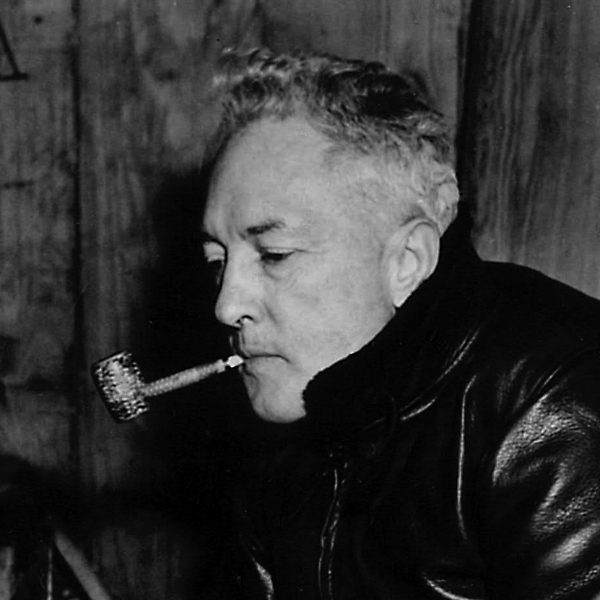
This is the birthday of explorer and pilot Admiral Richard Byrd (1888–1957). His autobiography titled Alone is a must-read.

This is the birthday of explorer and pilot Admiral Richard Byrd (1888–1957). His autobiography titled Alone is a must-read.
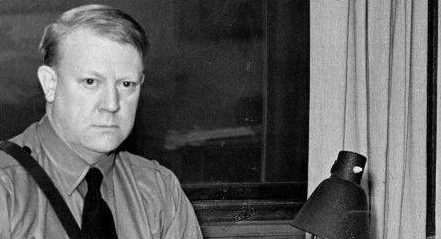
October 24th is the anniversary of the firing squad execution of Norwegian traitor Vidkun Quisling, in 1945. His ignominious place in history was to have his surname become a noun. “Quisling” is now a moniker synonymous with treason and alliance with an invading army. Something tells me that the popularity of “Vidkun” as a boys’ natal name in Scandinavia dropped precipitously after about 1942. Ditto for “Adolf”, in Germany, and “Benito”, in Italy, after 1944. o o o I noticed that OpticsPlanet.com is having a 11% off sale for orders over $100. This sale ends at midnight on October 26th. …
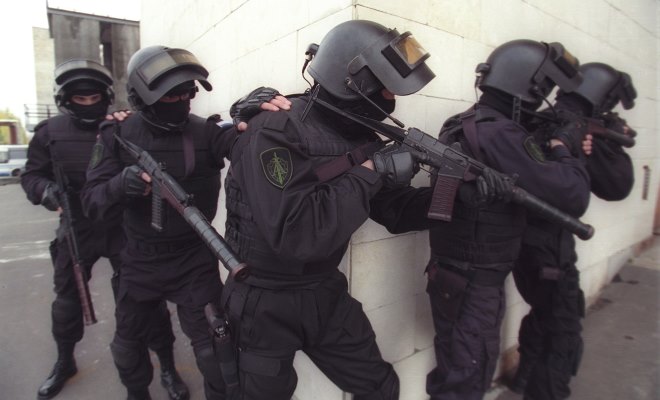
On October 23rd, 2002, around 50 Chechen rebels stormed a Moscow theater, taking 700 hostages during a popular musical. After 57 hours, during which two hostages were killed, Soviet Special Forces pumped a powerful narcotic gas into the theater knocking the terrorists and hostages unconscious before breaking in through the walls and roof. When the dust settled, most of the rebels and 120 hostages had been killed.
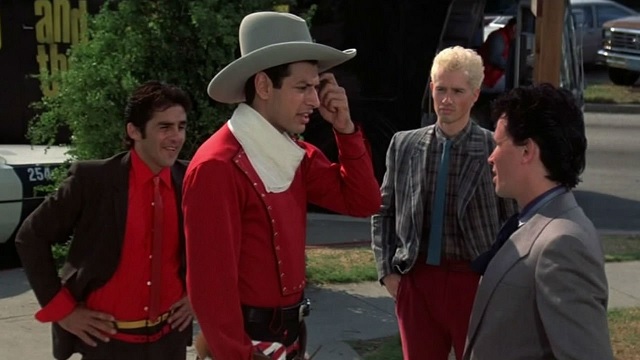
This is the birthday of painter book illustrator N.C. Wyeth (1882–1945) It is also the birthday of actor Jeff Goldblum (born 1952), who has unforgettable roles in Buckaroo Banzai and in all of the Jurassic Park and Independence Day films.
Safecastle has launched their new site that you should check out when you get a chance. As part of the upgrade, they have discontinued the lifetime membership and instead are using an annual membership model. However, they are extending the lifetime memberships to SurvivalBlog readers. To take advantage of this offer, you need to register at their site (https://www.safecastle.com/account/register) and then email them at site@safecastle.com and mention “SurvivalBlog Free Lifetime Membership” in the Subject line. They will then upgrade your account for free (A $49 value).
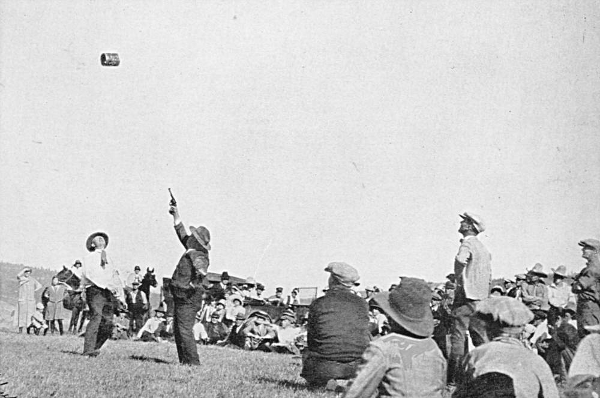
October 20th is the birthday of actor Viggo Mortensen (born 1958.) He lives somewhere in the American Redoubt. On his ranch is his horse-for-life “TJ”–one of the five paint horses used in the filming of the movie Hidalgo. Most SurvivalBlog readers probably know him best for his starring role in The Road. This is also the birthday of “fast and fancy” shootist Ed McGivern (born 1874, died December 12, 1957.) He was born in Nebraska, but was a long-time resident of Butte, Montana.
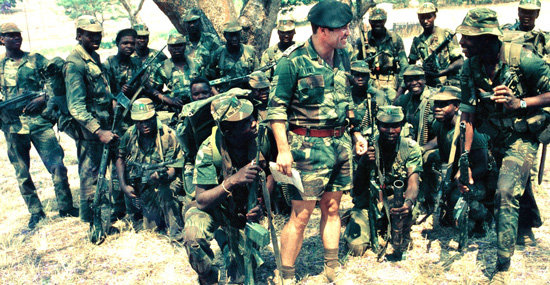
October 19th is the birthday of three notables– the late Alexander Zeisal “Zus” Bielski (born 1912), investor Jim Rogers (born 1942), and James Howard Kunstler (born 1948). Kunstler is well known to SurvivalBlog readers as the author of the novel World Made by Hand and the nonfiction book The Long Emergency. A fictionalized portrayal of Zus Bielski is seen in the movie Defiance. This movie was loosely based on the excellent book Defiance: The Bielski Partisans by Nechama Tec. o o o October 19th also marks the anniversary of Operation Gatling; the “Green Leader” raid in which Rhodesia attacked ZIPRA …
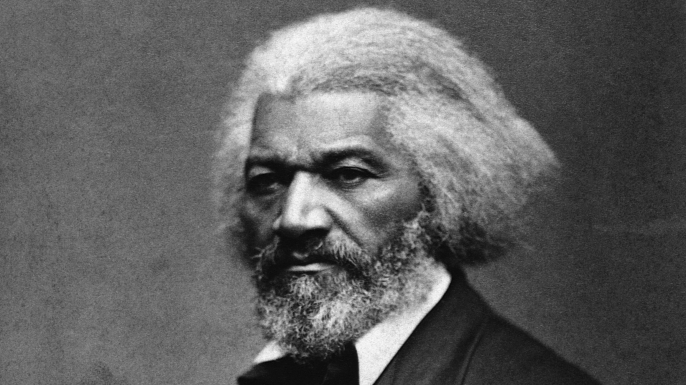
“Those who profess to favor freedom, and yet depreciate agitation, are men who want crops without plowing up the ground.” – Frederick Douglass
The mass media-driven Congressional gun control juggernaut seems to be slowing. It is noteworthy that the horribly vague and unconstitutional H.R. 3999 appears to now be stuck at just 25 co-sponsors—but it is frightening to see that 12 of them are Republicans. Hopefully the bill will die in committee. Please keep up the pressure, folks. This fight is far from over! Please contact your Congressional Representative repeatedly (by phone and e-mail) and insist that he or she oppose ALL civilian disarmament legislation. There are now a half dozen bills pending in Congress. SurvivalBlog reader Kevin A. sent me this summary …
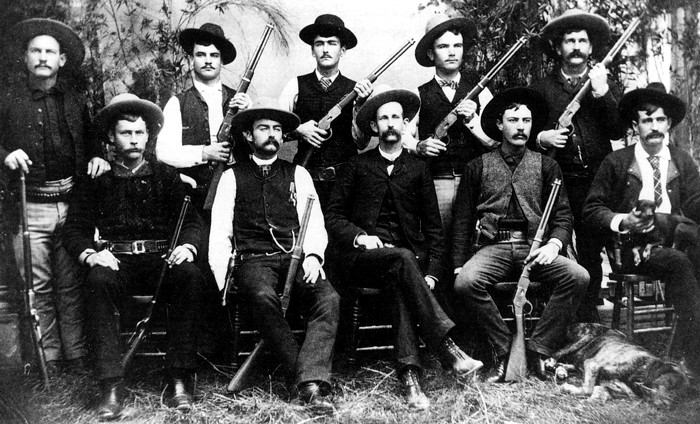
On this day in 1835, Texans approve a resolution to create the Texas Rangers– a corps of armed and mounted lawmen designed to “range and guard the frontier between the Brazos and Trinity Rivers”. After winning their revolutionary war with Mexico the following year, Texans decided to keep the Rangers, both to defend against Indian and Mexican raiders and to serve as the principal law enforcement authority along the sparsely populated Texan frontier. o o o SurvivalBlog Writing Contest This has been another entry for Round 73 of the SurvivalBlog non-fiction writing contest. The nearly $11,000 worth of prizes for …
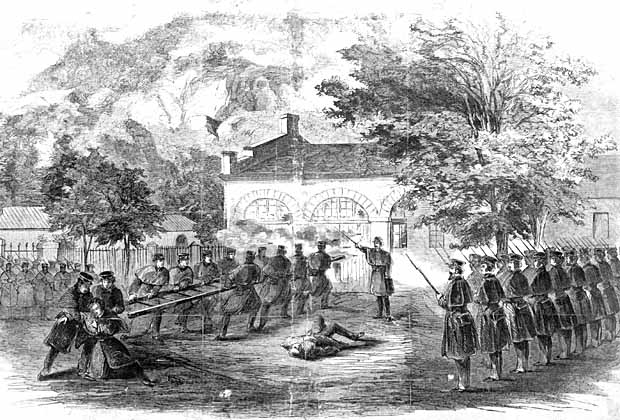
There is now a petition on the White house web site, encouraging the President to veto H.R. 3999 if it reaches his desk. Please take a few moments to sign it! o o o October 15th, 1859 is the anniversary of abolitionist John Brown’s raid against the federal armory in Harpers Ferry, Virginia (now West Virginia), in an attempt to start an armed slave revolt and destroy the institution of slavery. Although the raid failed, it inflamed sectional tensions and raised the stakes for the 1860 presidential election. Brown’s raid helped make any further accommodation between North and South nearly …
October 15th, 1990 is the day South Africa’s Separate Amenities Act, which had barred blacks from public facilities for decades, was scrapped.
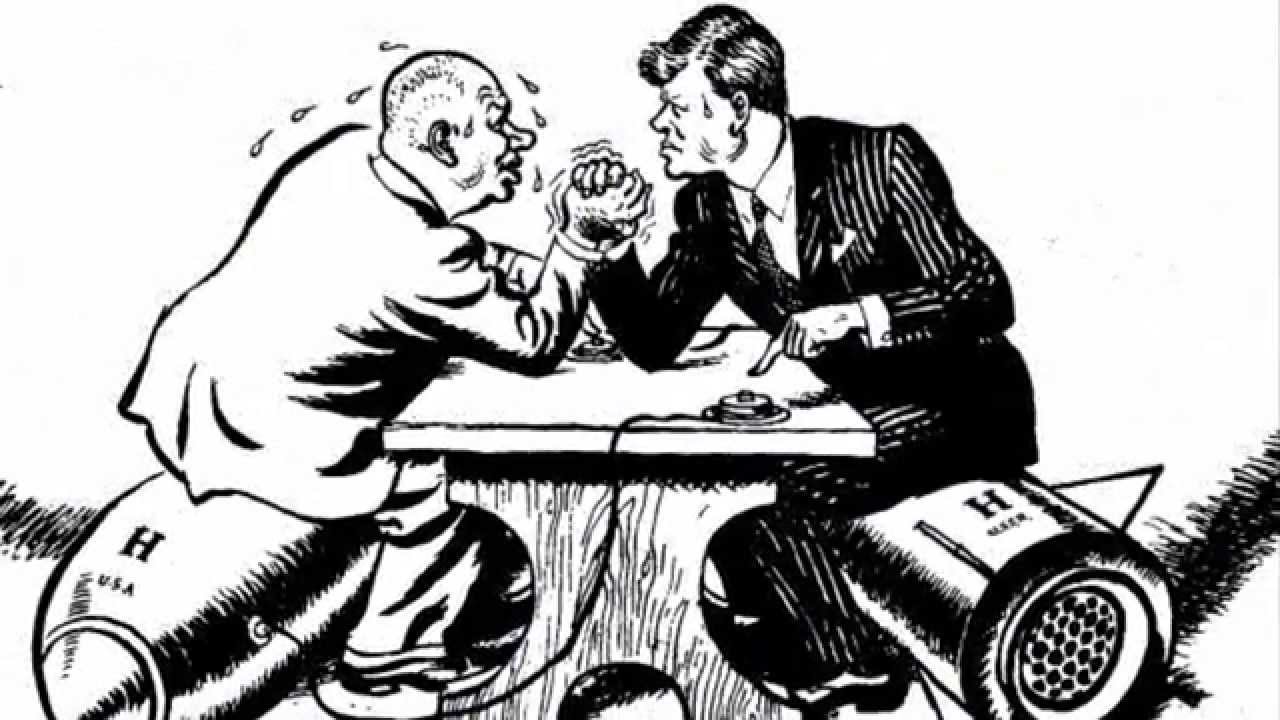
The Cuban Missile Crisis began on October 14, 1962, bringing the United States and the Soviet Union to the brink of nuclear conflict. Photographs were taken by a high-altitude U-2 spy plane and offered incontrovertible evidence that Soviet-made medium-range missiles were in Cuba. These missiles were capable of carrying nuclear warheads and were stationed 90 miles off the American coastline. SurvivalBlog Writing Contest Today features another entry for Round 73 of the SurvivalBlog non-fiction writing contest. The nearly $11,000 worth of prizes for this round include: First Prize: A $3000 gift certificate towards a Sol-Ark Solar Generator from Veteran owned …
Important Warning To Gun Owners: A Republican in the U.S. House of Representatives has introduced a horrible piece of legislation that would ban far more than just “bumpfire stocks.” This vaguely-worded bill would ban nearly all aftermarket triggers, trigger springs, buffers, buffer springs, bolt carriers, many muzzle brakes, and possibly even full capacity magazines and magazine extensions. It all hinges on the bill’s vague and undefined phrase: “increase the rate of fire”. Violations would be a felony, with a five year prison sentence for possession, manufacture, or transfer. Most ominously, just like Feinstein’s bill in the Senate, this bill has …
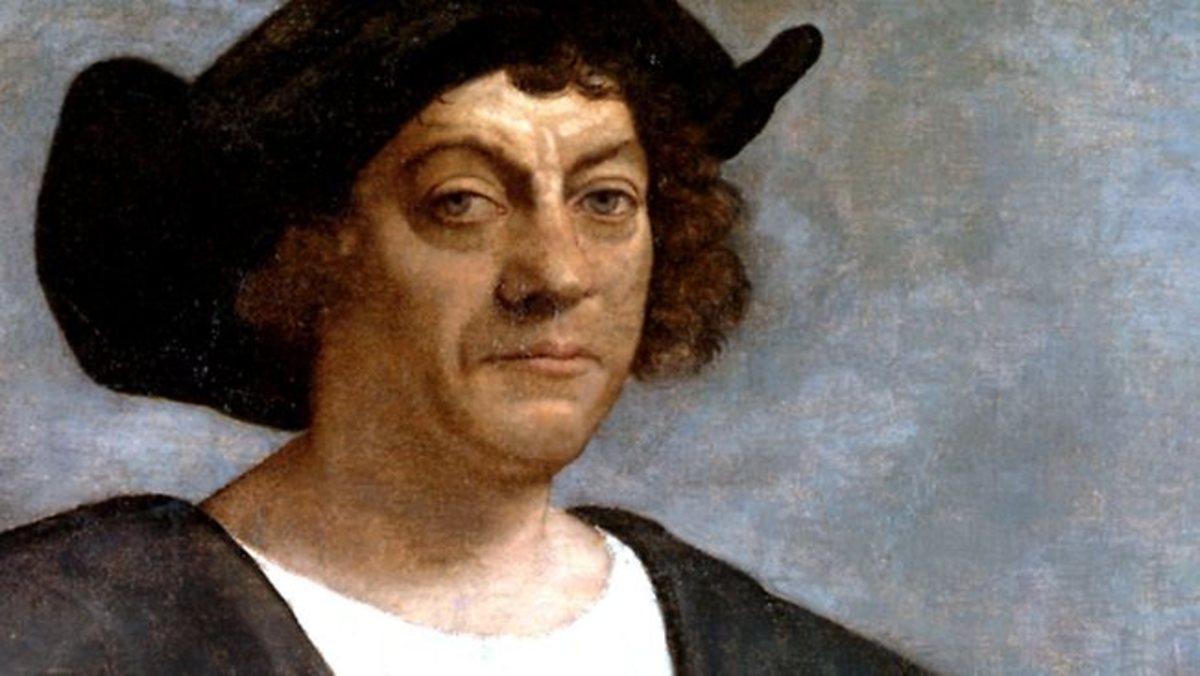
Today, in 1492, after sailing across the Atlantic Ocean, Italian explorer Christopher Columbus sighted a Bahamian island, believing he had reached East Asia. His expedition went ashore the same day and claimed the land for Isabella and Ferdinand of Spain, who sponsored his attempt to find a western ocean route to China, India, and the fabled gold and spice islands of Asia.