Preparedness Notes — September 15, 2026

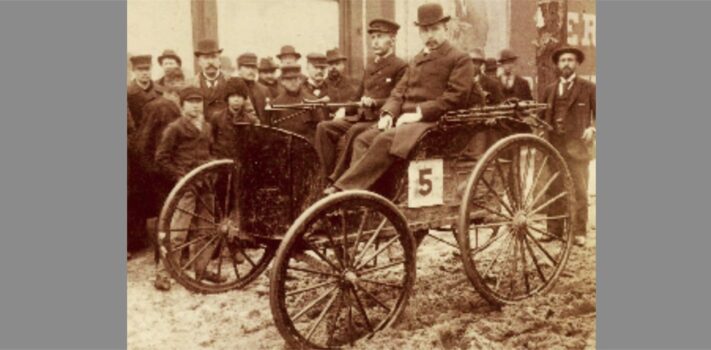
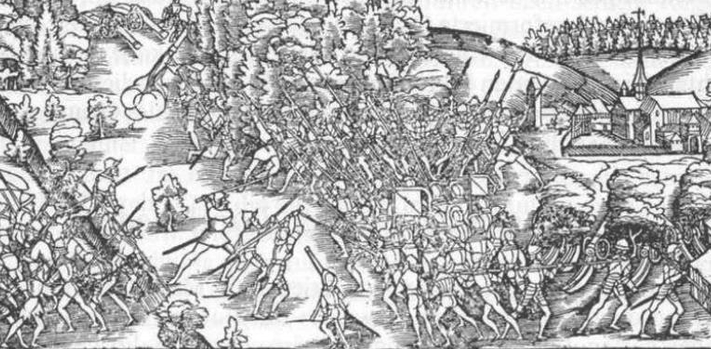
This Week in History: On September 15, 1600, the Battle of Sekigahara, (Sekigahara Kassen Byōbu『関ヶ原合戦屏風』) marked the rise of the Tokugawa shogunate in Japan. — September 15, 1774: Cossack pretender to the Russian throne Yemelyan Ivanovich Pugachev was captured. — On September 16, 1620 the Mayflower departed Plymouth, England, with 102 Pilgrims and about 30 crew for the New World. — September 17,1776: The fortress Presidio of San Francisco was founded in New Spain to gain a foothold in Alta California and secure the San Francisco Bay for Spain. — And on September 18, 1851, the first edition of The …


Preparedness Notes — September 11, 2026

Friday, September 11th marks the 25th anniversary of the brutal 9/11 terror attacks.  Never forget, America, the magnitude of the losses. See the 2:10 mark, and beyond. – JWR. Today is also the anniversary of the Benghazi Embassy attacks, in 2012. (Those events were recounted in the Hollywood film 13 Hours: The Secret Soldiers of Benghazi.) Please remember the sacrifice of J. Christopher Stevens, Sean Smith, and CIA (former Navy SEAL) agents Tyrone Woods and Glen Doherty. Between them, Woods and Doherty reportedly dropped at least 60 of the attackers, before their position was overwhelmed. Please also remember the spineless …


Preparedness Notes — September 8, 2026

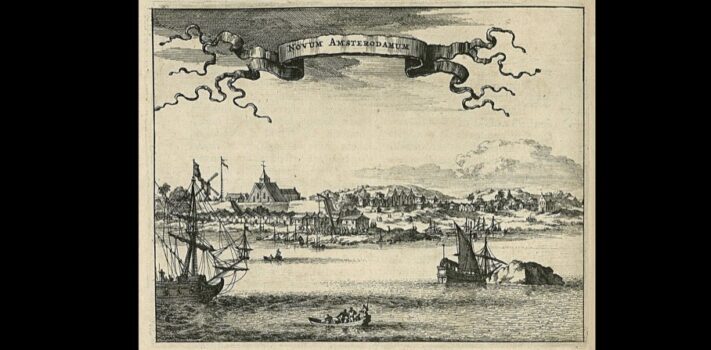
This Week in History On September 8, 1664, the Dutch surrendered their colony of New Netherland, including New Amsterdam, to 300 English soldiers. Following the capture, New Amsterdam’s name was changed to New York, to honor the Duke of York, who had organized the mission. — September 9, 1000: Battle of Svolder, Baltic Sea: King Olaf on board the Long Serpent was defeated in one of the greatest naval battles of the Viking Age. He leapt to his death, overboard. — September 10, 1919:  Treaty of Saint-Germain. Austria ended its incorporation with Germany. But its independence was short-lived. In the …


Preparedness Notes — September 1, 2026

This Week in History: On September 1, 1255, Königsberg (modern day Kaliningrad) was founded by Teutonic Knights. It was named in honor of the Bohemian King Ottokar II. Pictured is Kaliningrad’s Brandenburg Gate. (Public domain photo by Jan Pešula.) — The 1859 Carrington Event — the largest geomagnetic storm in recorded history began on this day. Richard Carrington and Richard Hodgson made the first observation of a large solar flare. — On September 2, 1666, the Great Fire of London began at 2 am in Pudding Lane. An estimated 80% of London was destroyed. — And on September 4, 1950: …


Preparedness Notes — August 25, 2026

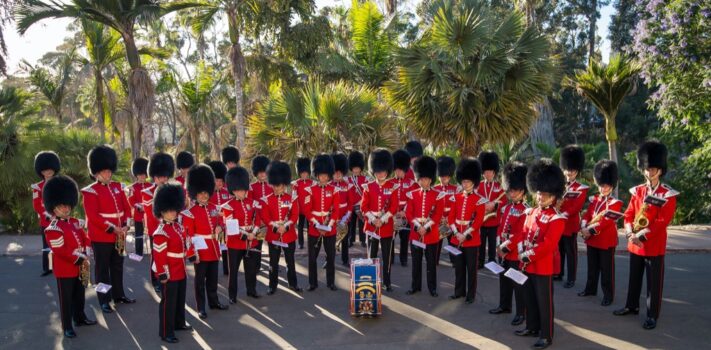
This Week in History: On August 25, 1537, The Honourable Artillery Company, the oldest surviving regiment in the British Army, and the second most senior, was formed. Pictured is the Honourable Artillery Company Band at Balboa Park, while on a visit to San Diego, California. — August 25, 1898: 700 Greeks and 15 Englishmen were massacred by the Turks in Heraklion, Crete. — August 26, 1789: The National Constituent Assembly adopted the Declaration of the Rights of Man and of the Citizen at the beginning of the French Revolution. — August 26,1859: A geomagnetic storm caused the Aurora Borealis to …


Preparedness Notes — August 18, 2026

This Week in History: On August 18, 1877, the Martian Moon Phobos was discovered. One of the two natural satellites of Mars, Phobos, was discovered by American astronomer Asaph Hall. Hall also discovered Deimos, the other Martian Moon. Named after the Greek God of fear, Phobos orbits only 3,700 miles from the surface of Mars. This makes it the Moon to orbit closest to its planet in the Solar System. Because of this odd orbit, Phobos completes each orbit around Mars in just 7 hours and 39 minutes. — August 19, 1895: American frontier murderer and outlaw John Wesley Hardin …


Preparedness Notes — August 11, 2026

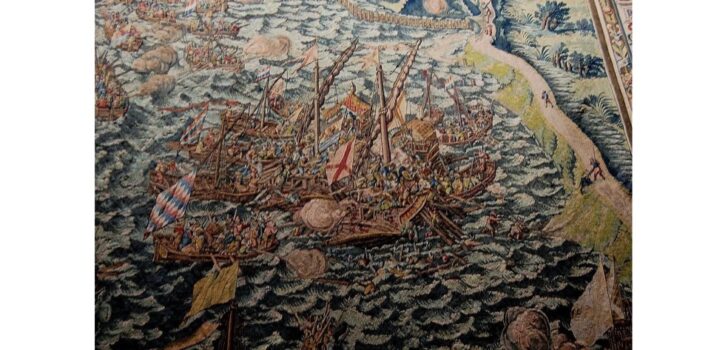
This Week in History: The Sea Battle of Zierikzeen was fought on August 11, 1304, Franco-Holland forces defeated the Flemish fleet. — August 12, 1336 English King Edward III banned wool export to Flanders and later granted a company of merchants a monopoly on selling wool in attempt to maximize taxes. — August 12, 1940: The German Luftwaffe bombed British radar stations, suffering a loss of 31 aircraft. — August 13, 1521: Spanish conquistadors led by Hernán Cortés captures Aztec Emperor Cuauhtémoc in Tenochtitlan. This brought the Aztec Empire to an end. — And on August 14, 1040, King Duncan …


Preparedness Notes — August 4, 2026

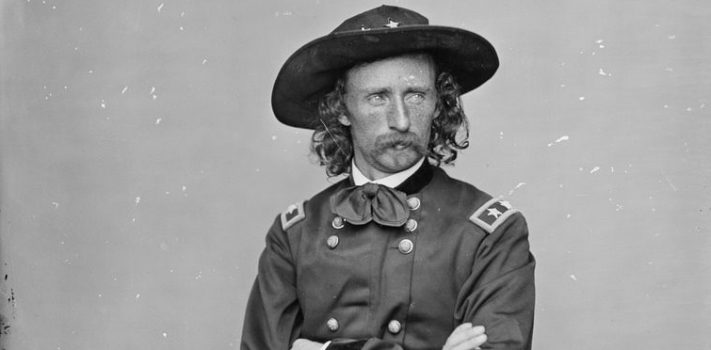
This Week in History: On  August 4, 1873, while protecting a railroad survey party in Montana, the US 7th Cavalry, under Lieutenant Colonel George Armstrong Custer (pictured), clashed for the first time with the Sioux Indian tribe near the Tongue River, killing one man on each side. — August 6, 1806, the Holy Roman Empire was dissolved. It was described by Voltaire as “in no way holy, nor Roman, nor an empire.” Emperor Francis II renounced his title of Holy Roman Emperor, becoming instead the first Emperor of Austria. — August 4, 1900: An allied expeditionary force, made up of …


Preparedness Notes — July 28, 2026 

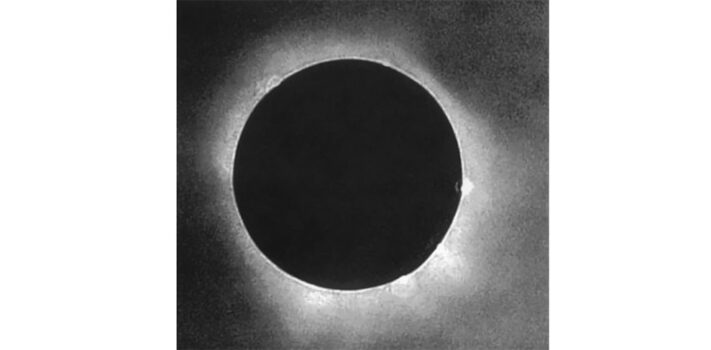
This Week in History: On July 28, 1851, the first-ever photograph of a total solar eclipse was captured on a daguerreotype by Johann Julius Friedrich Berkowski at the Royal Observatory in Königsberg, Prussia. — On or about July 28, 1586, English astronomer and mathematician Thomas Harriot introduced potatoes to England on his return from Roanoke Island, in modern-day North Carolina. (The date is disputed.) — July 29, 238: The Roman Senate and Praetorian Guard proclaimed 13-year-old Gordian III as Emperor. He was the youngest-ever emperor of a united Rome. — July 29, 1609: Samuel de Champlain shot and killed two …


Preparedness Notes — July 21, 2026

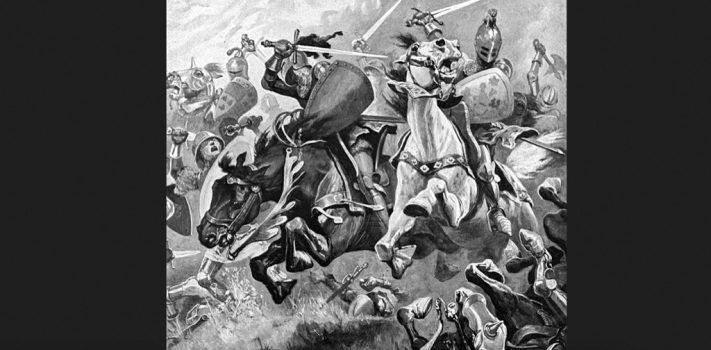
This Week in History July 21, 1403: The Battle of Shrewsbury. An army led by the Lancastrian King of England, Henry IV defeated a rebel army led by Henry “Harry Hotspur” Percy of Northumberland thus ending the Percy challenge to the throne. This was also the first battle English archers fought each other on English soil. — 1669: John Locke‘s constitution for the English Province of Carolina was adopted. — July 23, 1764: James Otis published “The Rights of the British Colonies Asserted and Proved,” in which he argued against taxation without representation. — And on July 24, 1847,  Brigham …


Preparedness Notes — July 14, 2026

Pictured above is the homestead of a SurvivalBlog reader in northern Indiana. This anonymous reader has been developing his homestead since 1984.  The pictured well pump is a reliable Bison Pump that is popular with preppers and homesteaders.. This Week in History On July 16, 1969, the Apollo 11 mission was launched, carrying the first men to land on Earth’s moon. — July 14th is the birthday of Colonel Einar A. Malmstrom. He was born in 1907 and died August 21, 1954 near Great Falls, Montana, in the crash of a T-33 jet. He was a decorated Air Force pilot, …


Preparedness Notes — July 7, 2026

This Week in History: On July 7, 1850 Scottish explorer Edward John Eyre (pictured above) reached Albany, Western Australia. — July 8,1731: Theologian Jonathan Edwards preached his sermon “God Glorified in Man’s Dependence” in Boston. This was later his first published sermon. — And on  July  10, 1553 Lady Jane Grey, daughter of the Duke of Suffolk, was proclaimed Queen of England, succeeding Edward VI,. In June, the dying Edward VI had written his will, nominating Jane and her male heirs as successors to the Crown, in part because his half-sister Mary was Catholic, whereas Jane was a committed Protestant …


Preparedness Notes — June 30, 2026 

This Week in History: As we prepare for the semiquincentennial celebration of the Declaration of Independence, Americans reflect on the meaning of our liberty and independence. — Happy birthday to actor/director Mel Brooks, who turned 100, on Sunday! — In June, 1786, Bishop Alexander Macdonell and more than 500 other Roman Catholic highlanders left Scotland to settle in Glengarry County, Ontario. — June 30th is the anniversary of the tragic death of 19 hotshots in the Yarnell Hill Fire in 2013. — June 30, 1908: A giant fireball, most likely caused by the air burst of a large meteor, flattened …


Preparedness Notes — June 23, 2026

This Week in History: On June 23, 1810, John Jacob Astor (born Johann Jakob Astor) organized the Pacific Fur Company in Astoria, Oregon. — 1931: American pilot Wiley Post and Australian navigator Harold Gatty took off from Roosevelt Field, New York, to attempt to set a new record circumnavigating the Earth. They successfully complete their series of flights in 8 days, 15 hours, and 51 minutes. — And on June 25, 1798, US President John Adams signed into law the Alien Friends Act, authorizing the president to deport any foreigner deemed “dangerous to the peace and safety of the United …


Preparedness Notes: June 16, 2026

This Week in History: On June 16, 1779 US General Anthony Wayne (pictured) captured Stony Point, New York, inflicting heavy losses on the British. — June, 1462: Vlad III the Impaler (the inspiration for “Dracula”) attempted to assassinate Ottoman Sultan Mehmed II in a night attack at Târgoviște. But the failure of that attack forced him to retreat from Wallachia. — And in 1873: US President Ulysses Grant declared a portion of Wallowa Valley, Oregon are a reservation for the Nez Perce Native American tribe. But the order was rescinded two years later and the tribe was forcibly re-located to …