(Continued from Part 2.)
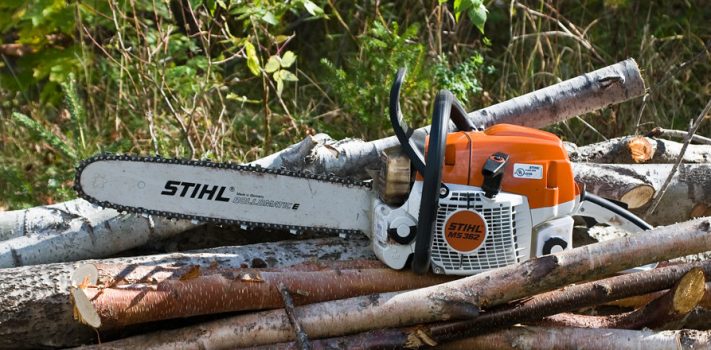
When the 2024/2025 woodstove season started, I had roughly seven cords of stacked, seasoned wood in the shipping container. We use about two cords of wood each winter. My goal is to always have at least two years of firewood on hand. To me, three years is an insurance policy. If I am unable to gather firewood one summer, I do not need to worry. I will simply gather more the following summer. I also store everything I need to gather, cut, carry, and split wood to prep it for storage. Our log splitter, chainsaws, axes, hatchets, crosscut saws, chains, kindling splitters, and kindling storage racks are all housed in the shipping container. This spring, after I tidy up the end I was pulling from, I am going to install a heavy-duty metal rack to store the tools on. I will also use the rack to store all of our canning supplies and outdoor cooking gear.
Wood Varieties to Burn
I have met people who obsess over which wood to burn because of the BTUs (British Thermal Unit – A measure of heat) certain woods have. I know people who will go out of there way and only harvest/burn lodgepole pine when there are other varieties in the same area that will burn hotter and longer, like fir and oak. I know others who will not burn other varieties because of the amount of ash or smell it creates. To each their own. Find a variety of wood that is readily available in your area, that you prefer, and use it. I burn almost any variety of wood I can get my hands on, but my favorite is fir. I love fir for many reasons. It is abundant near my home. It splits straight, so stacking is easy and neat. It makes great kindling that ignites fast. Most of all, I love burning fir, because even though it is considered a “soft wood”, it heats my home very well. |
Seasoned hardwood burns longer and hotter, but fir suits us just fine. I clean my chimney once a month and I rarely have much creosote buildup. (Creosote is a byproduct of burning wood. If creosote is allowed to build up too long, it can ignite and create a flu fire. Flu fires are extremely dangerous and can damage your chimney, stove/flue pipe. If you have a flu fire, have your stove and piping checked out by a professional.)
Another type of wood that I like to burn is Red Iron Bark Eucalyptus. When we bought our home, there was a large Eucalyptus grove at the very back of the property the previous owner planted. I am no fan of Eucalyptus. In fact, I have a great disdain for it. Eucalyptus trees are extremely messy. Each month of the year, a Eucalyptus tree drops something to the ground, be it leaves, bark, branches, seed pods, flowers, etc. On our property, if there is an ornamental, non-native tree that does not produce food, it gets cut down.Continue reading“Fuels for Cooking, Warmth and Comfort – Part 3, by Lodge Pole”