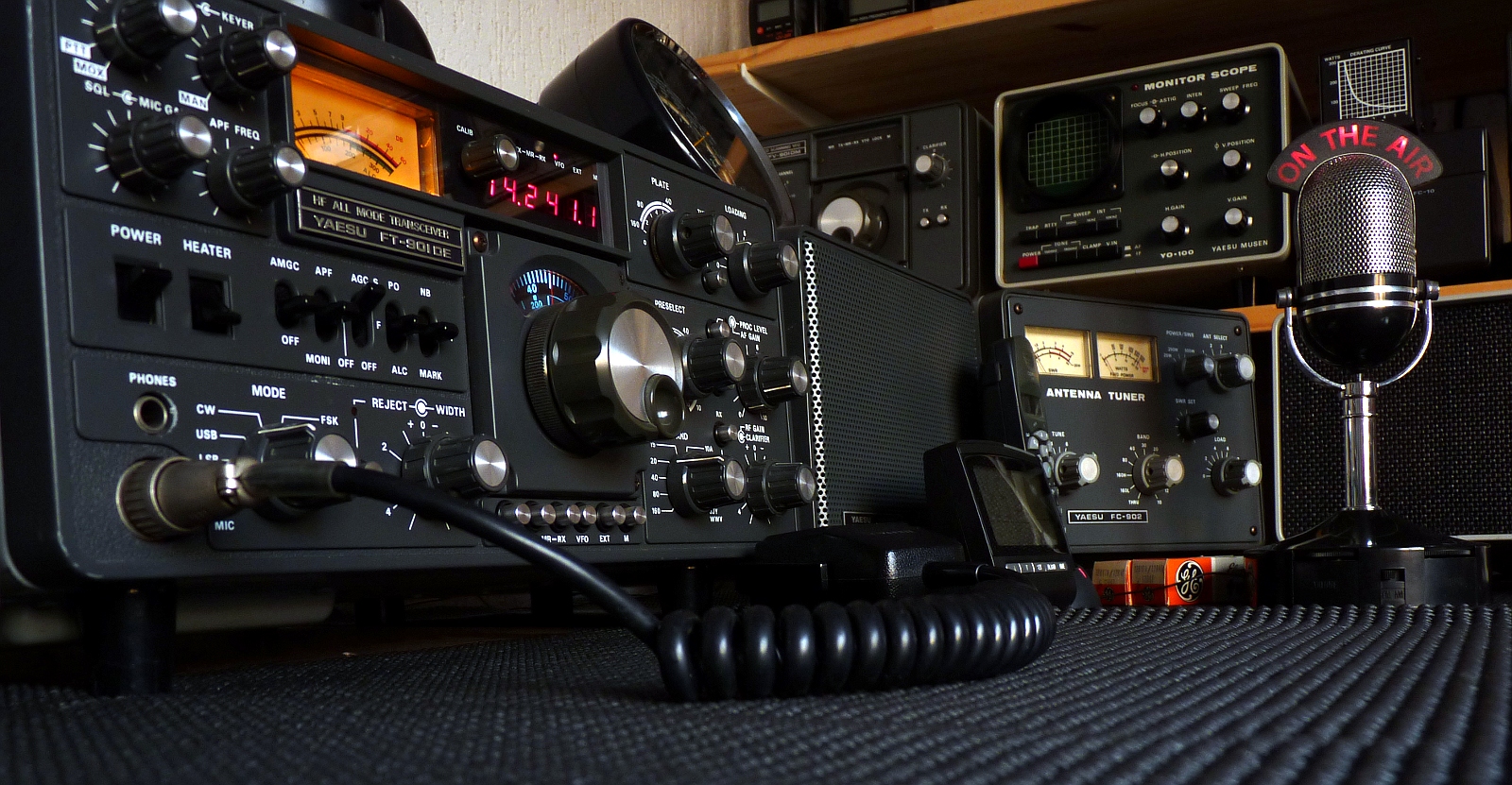
So far, you’ve learned about the FCC and non-FCC license communications devices and equipment that is used with them. I touched on the use of Ham devices in an emergency, if you don’t yet have your Ham license. Now, let’s wrap up by learning how you can obtain your Ham license and move on to establishing and planning your communications.
Getting Your License
Ham radio licenses come in three levels, increasing in complexity of test and allowable frequencies. The FCC does not charge for the license, but your local Ham radio club usually has a $14 fee for giving the exam.
I usually describe the Ham radio licenses in the following way:
- Technician class: a test on what you can’t do and why you can’t do it, along with an overview on what you are allowed to do and how not to electrocute yourself. After passing it you have access to VHF/UHF/50MHz with limited access to some HF.
- General class: a test on how things function and an overview of the new things you can do, plus a reminder of how not to electrocute yourself. This includes access to almost all amateur frequencies.
- Extra class: a test on the theory behind what you are doing, plus a few extra frequencies, oh… and bragging rights.
Continue reading“Radio Communication Methods During Emergencies- Part 5, by R. in NC”