To be prepared for a crisis, every Prepper must establish goals and make long-term and short-term plans. Steadily, we work on meeting our prepping goals. In this column, the SurvivalBlog editors review their week’s prep activities. They also often share their planned prep activities for the coming week. These range from healthcare and gear purchases to gardening, property improvements, and food storage. This is something akin to our Retreat Owner Profiles, but written incrementally and in detail, throughout the year. We always welcome you to share your own successes and wisdom in the Comments. Let’s keep busy and be ready! This week’s emphasis is on the use of indoor grow lights.
JWR
Dear SurvivalBlog Readers,
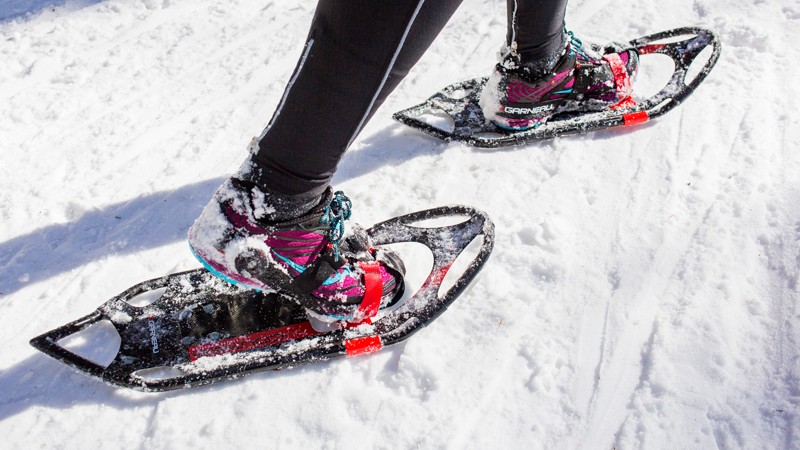
This week, I took the family out into the surrounding National Forest for a semi-tactical snowshoeing hike. This turned out to be a good shakedown. It was only by getting our snowshoes on everyone living at the ranch that we learned that one of the bindings had a missing piece of hardware. That was soon corrected–using a small nut, bolt, and star lockwasher selected from the plastic drawers of hardware in my shop. We had plenty of snow camouflage ponchos. Those are still fairly inexpensive and plentiful. (The Bundeswehr must have switched to a different pattern, and they were all surplussed out.) But we discovered that we didn’t have a full set of white balaclavas and white watch caps. Those that were needed are now on order.
Two days after our hike–after the snowshoes had fully dried–I did some touch-up spot painting with some flat white spray paint. We are now “good to go.” Remember: There is a huge difference between just owning gear and actually getting out there to use it. It takes time and practice to work all the kinks out. And, of course, every piece of equipment comes with a learning curve.
By the way, many years ago I learned using long “trail” snowshoes in timbered areas just doesn’t work. Most of our snowshoes are the quite short “modified bear paw” style. Our longest shoes are only about 30″ long, and sometimes even those get tangled up. Your mileage may vary.
Fire Kindling Practice
Part of that hike was having the kids practice kindling fires in a cleared spot in the snow. It has been a very wet winter, so it was tough finding dry tinder. The local Old Man’s Beard lichen was soaking wet. (We tried to look for that on trees with very full overhead cover. No luck. Even our old standby of breaking dried twigs from tree trunks wasn’t working. We had to rely just on what was in our packs, for tinder and kindling. Lesson learned: Always carry plenty. Our favorites are clothes dryer lint, alcohol-based hand sanitizer, and of course some finely-split fatwood. Note that it is crucial to carry a waterproof match case and to double-bag all of your tinder materials, to keep them perfectly dry.