Here are the latest items and commentary on current economics news, market trends, stocks, investing opportunities, and the precious metals markets. We also cover hedges, derivatives, and obscura. And it bears mention that most of these items are from the “tangibles heavy” contrarian perspective of JWR. (SurvivalBlog’s Founder and Senior Editor.) Today’s focus is on private mints.
Precious Metals (Private Mints):
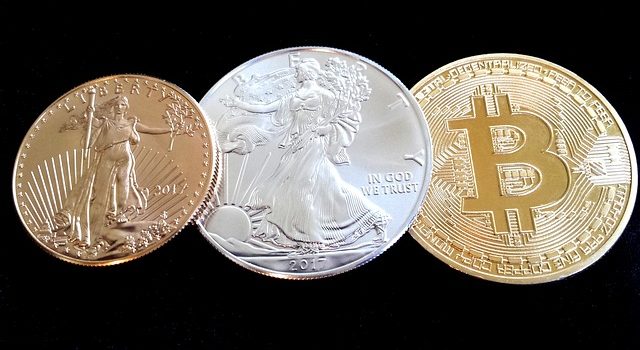
One aspect of the thin precious metals market is often overlooked: The small number of private mints in the U.S. and Canada. There are only a handful of mints, and the volume of coins and bars that they can produce is limited. The huge coin presses that they use are specialized pieces of equipment. And not many manufacturers have experience pressing medallions. So if there is ever a spike in demand, other makers can’t jump into the market overnight. If and when we do witness a big spike in silver, it is safe to assume that the private mints will not be able to keep up with market demand. At that stage, the premium for coins of any type will go up. But presently, with silver just now emerging from the doldrums, you can still get silver coins at a very low markup over the spot price of silver.
Mints that have a low debt burden seem to do best, as they are usually able to ride out the highs and lows of the market. Silver Towne Mint and Sunshine Minting are two good examples of low-debt mints that have been in business for decades.
Another thing to keep in mind is that the profit margin for private mints is small, yet their capital equipment costs are high. So small mints going bankrupt is a fairly common occurrence, especially in bear market phases. (See for example, the sad demise Mulligan Mint and Northwest Territorial Mint, in 2013 and 2016, respectively.) Inevitably, it seems that their specialized minting equipment and assorted tooling gets sold through bankruptcy liquidation sales or auctions. Then another firm opens up or expands an existing mint using part or all of that same equipment. To clarify: The 1-ounce .999 silver round is essentially generic. Most mints use .999 fine silver planchets (blanks) produced by larger companies. The only thing unique seems to be the dies for the coins. But their quality varies. Highly-polished dies can produce proof quality coins.
There are not many mints that actually have the equipment to melt raw .999 silver, roll it to an exacting thickness, and then punch out their own planchets for minting bullion coins. Just a few mints have that flexibility. The majority of private “mints” are not really mints per se. Rather, they are low-temperature pressing operations that lack high temperature planchet production capability. Hence they are at the mercy of the market. In times of high demand, a chronic shortage of silver planchets develops. So the mints that don’t produce their own planchets find themselves unable to produce many coins when demand is at a peak.
Keep all of the foregoing in mind. I generally recommend buying coins from coin dealers rather than from mints. But even coin dealers can go out of business. (Like the Tulving debacle in 2014, for example.) So do your due diligence before you buy. Buy only from well-established dealers or mints with good reputations.
o o o
The 30-day chart for spot silver is looking promising. But remember: Silver is more of a long term hedge.