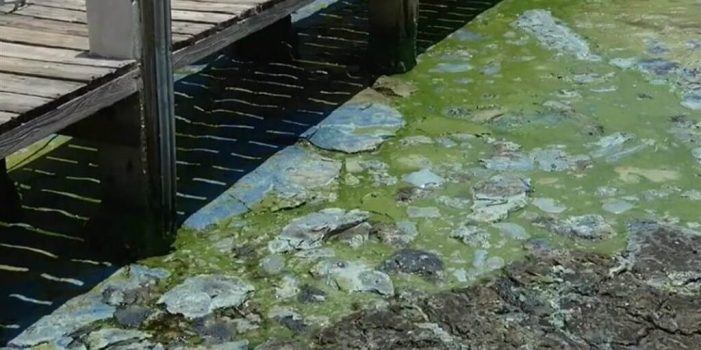
In part 1, we learned that toxins other than mercury cannot be avoided entirely in the drinking water, as some are not removed by screens, activated carbon or silver water filters, or chlorine treatment. Some toxins are even made more toxic by boiling. Furthermore, some toxins cause physical symptoms of poisoning almost immediately. In particular, populations of cyanobacteria (a blue-green algae) may be dominated by a single species or be composed of a variety of species, some of which may not be toxic and some which have been deadly to animals. We learned about the locations, timing, and durations of cyanobacteria blooms, which occur all around the world, though in various conditions and times of the year.
Factors That Increase Cyanotoxin Production (The Biochemistry of Cyanotoxin)
To understand how to neutralize toxin production, it is necessary to study its biochemical makeup. Cyanobacteria are known to produce several bioactive compounds, including cyanotoxins.
Cyanotoxins fall into three broad groups of chemical structure: cyclic peptides, alkaloids, and lipopolysaccharides (LPS).
Cyclic Peptide Toxins (Cyanobacterial Toxins)
Globally, the most frequently found cyanobacterial toxins are the cyclic peptide toxins of the microcystin and nodularin family. They are water soluble and are unable to penetrate directly the lipid membranes of animal, plant, and bacterial cells. Therefore, to elicit their toxic effect, uptake into cells occurs through membrane transporters that otherwise carry essential biochemicals or nutrients. This restricts the target organ range in mammals largely to the liver.
Location, Light, Temperature, and pH
Mass occurrences of neurotoxic cyanobacteria have been reported from North America, Europe, and Australia, where they have caused animal poisonings. Cyanobacteria produce most toxins under conditions that are most favorable for their growth.
Continue reading“Water Treatment Options: How to Avoid Poisoning From Toxins- Part 2, by AJS”