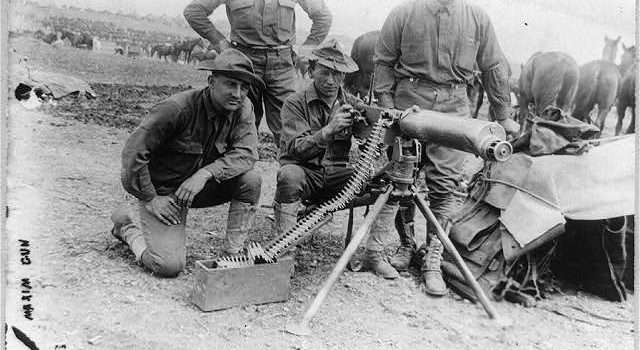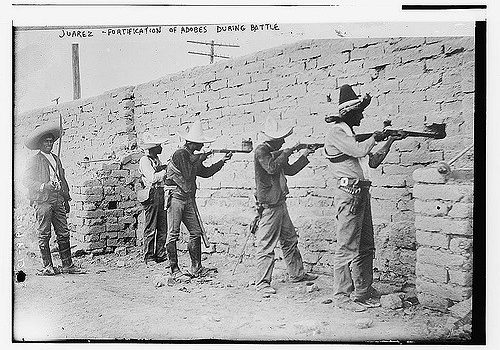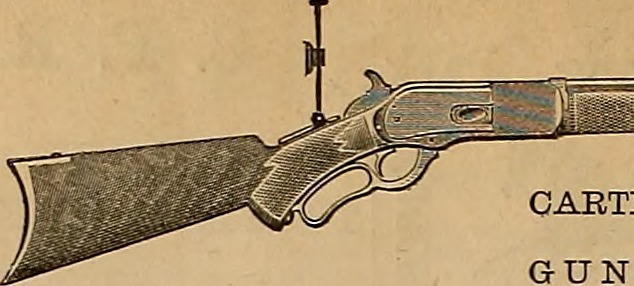
After posting my recent warning about potential passage and enactment of H.R. 8 / S.42 and an interview about this on the Reluctant Preppers podcast, I’ve had several readers and consulting clients contact me. They’ve been asking these questions: “How do I actually find pre-1899 cartridge guns in good condition?”, “Where can I find antique guns at reasonable prices?”, and “How do I know what I’m looking at”? Here is my summary on how to get savvy:
1.) Do your research. Visit a local gunsmith and have him show you how to spot a gun that has been reblued. (Blurred patent date markings on barrels are a sure sign of buffing and rebluing. And recently-reblued guns literally have the distinctive smell of bluing salts.) Have him describe how to spot and test for revolvers that have been “shot loose.” Also research your state law before you buy anything. A few states treat antique guns just like modern ones. Research the pre-1899 gun makers. Develop a list of makers and cartridge chamberings that makes sense for your locale.
2.) As a prepper, you should probably shun most oddball-chambered guns, unless you are already an experienced handloader and have a ready supply of brass. Some sure picks include: .30-30 Winchester (“.30 W.C.F.”), .25-35 Winchester, .30-40 Krag, .303 British, .45-70, 6.5 Swedish Mauser, 7×57 Mauser, .38 S&W, .44-40, and .45 Colt (commonly but incorrectly called .45 Long Colt).
Continue reading“Becoming a Savvy Pre-1899 Antique Gun Buyer”