To be prepared for a crisis, every Prepper must establish goals and make long-term and short-term plans. In this column, the SurvivalBlog editors review their week’s prep activities and planned prep activities for the coming week. These range from healthcare and gear purchases to gardening, ranch improvements, bug out bag fine-tuning, and food storage. This is something akin to our Retreat Owner Profiles, but written incrementally and in detail, throughout the year. Note that as an Amazon Associate I earn from qualifying purchases. We always welcome you to share your own successes and wisdom in the Comments. Let’s keep busy and be ready!
Jim Reports:
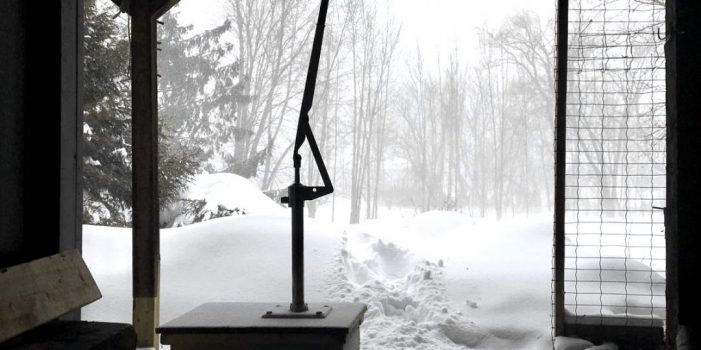
We had a fairly quiet and snowy week, here at the Rawles Ranch. I had to plow out our road and barnyard area several times. It seems that the ever-fickle Jet Stream has decided to “bless” abundantly those of us in the northern portion of The American Redoubt, this winter. Getting ready for the launch of pre-orders for the waterproof SurvivalBlog Archive USBs stick took up some of my time, as did developing the web page for my pre-1899 guns mailorder business. I’m still hoping for a February 1st launch, if all goes well. A lot of pieces need to be put into place, to make that happen. Now, most notably, activation by a credit card processor. I opted for Blue Dog, because they treat firearms-related retailers just like any other merchants. (Other credit card firms label firearms-related retailers as “high risk”, and therefore demand a higher percentage–putting gun merchants on a par with p*rn peddlers and “head’ shops.)
My lovely wife, as usual, has a lot more to report than I do. She always keeps herself very busy, and she is remarkably cheery about it. This ranch would fall into shambles, without her!