(Continued from Part 1.)
Part 2 – Disaster: Depression, Grief, and PTSD
Yesterday in Part 1, I covered types of stress and began to touch on tools and techniques for control. Today in Part 2, I will discuss disaster’s effects including depression, grief, and PTSD, while Part 3 will focus on numerous preventive strategies. While I am a licensed M.D., retired disabled, I am not a psychiatrist and remind our readers that I am neither diagnosing nor prescribing. Please obtain prompt medical care from licensed practitioners as long as they are available.
Who Is Susceptible?
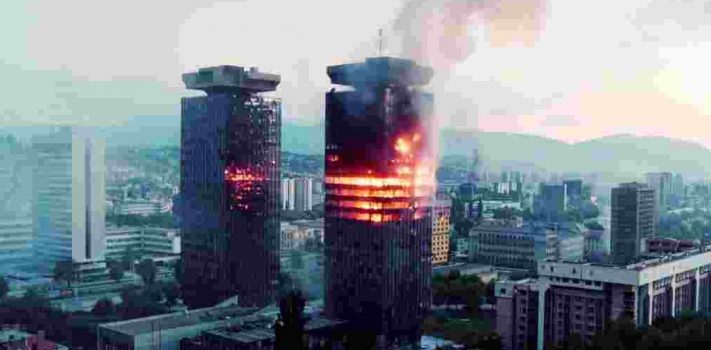
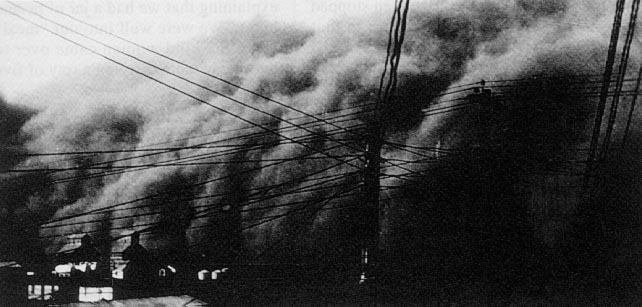
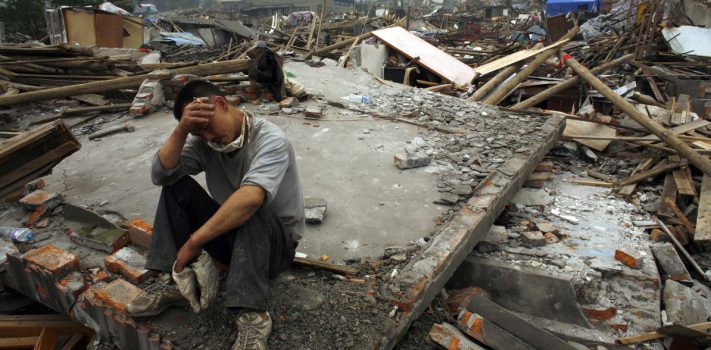
People who survive disasters may experience depression, grief, and PTSD among other psychological conditions. In addition, they may also have more serious and long-lasting adverse effects on physical health. Who is susceptible? Everyone. Let’s begin with children. After Hurricane Sandy, as many as 35% of children experienced signs of moderate to very severe PTSD at 9 months post-event and still 29% at 21 months. Often people don’t even think about the emotional impact of disaster until 6 to 8 weeks post event when survival becomes easier. Until life eases, adults and children just trudge along untreated. Another study of survivors (all ages) of mass shootings revealed that 28% develop PTSD and approximately 1/3 have a resultant acute stress disorder. Level of impact on emotions depends upon disaster, proximity, and duration. First, what was the type and severity of the disaster? How close was the person to the crisis? This second factor ranges from being in the middle of a terrible catastrophe as the worst to merely learning of it on the media as the least. First responders, assisting family members, and other workers are in between in severity. Gender also has an effect. Women and girls are more susceptible to adverse impact on emotional health than men and boys. (No, I’m not being sexist!
I, myself, am a woman so please no accusations. Thank you.) Since some of today’s college students are needing cry rooms, emotional support llamas, bouncy castles, cookies, and coloring books just to endure the “rigors” of college, consider how poorly they will survive a genuine disaster!
What Can Help?
What can help? The support system of family and friends is crucial to having greater resilience after a disaster. This cannot be over emphasized. If this is not possible, there must be hope for help from the government and charitable organizations, plus counseling. Even if family and friends cannot help each other, it is very healing for survivors to have the opportunity to gather together and share their common experiences. In the TEOTWAWKI, we must keep hoping, stay positive, and help one another as much as possible. The church or other area structure/organization can serve as a site for gathering to share memories of the common event and to discuss solutions to problems. Information intake forms could serve to note the expertise and various professions represented in the surviving community.
Psychological Effects of Disaster
Depression, grief, and PTSD will be all too common. We need to be aware and watch for the danger signs of these and other psychological conditions among our family and friends. There is no way to become a quick expert, but we can all learn some of the most common signs and symptoms and have a list to refer too. I suggest a few mnemonics below, but others are available if you prefer.
Depression
For depression, my mnemonic is SAFE with two points for each letter:
S- Sad- Expresses feelings of hopelessness, pessimism. Suicide risk or reckless behavior risk?
Sleep disturbance- May exhibit either insomnia (especially in early morning) or excessive sleeping.
A- Angry- Is irritable, short-tempered.
Activities- No longer interested in favorite hobbies nor in sex. Unable to feel joy or pleasure.
F- Focus- Displays a decrease in mental concentration, memory retention, and /or decision-making.
Food- Decreased or increased interest in food with a 5% weight change up or down.
E- Energy- Is lethargic and lacking in initiative, or perhaps agitated.
Esteem- Expresses self-hate and/or feelings of guilt, worthlessness.
Is this person “SAFE”? Does he/she have a sad expression and feel that there is no hope for the future?
Do they wish that they would not wake up in the morning or that they had never been born? (Suicide danger signs) Have they considered committing suicide or have a plan? Is their normal sleep pattern disrupted? Are they no longer interested in the things that used to make life seem worthwhile? Are they eating less or more? Are they unable to concentrate or make normal decisions such has what clothes to put on in the morning? Is their behavior sluggish and lethargic or perhaps agitated and restless? Do they have survivor guilt or think that they are worthless and don’t deserve to live?
If the answer is “yes” to a number of the above statements, the person needs help. If suicidal, do not
leave them alone. They need to be under constant observation until out of danger.
Grief
Well, I’m sure we can all identify grief, but consider the known acronym DABDA.
DABDA—denial, anger, bargaining, depression, acceptance
These are the five stages of grief according to the Kubler-Ross model. Please keep in mind that a person will
not necessarily experience all of the stages, nor in any particular order. It is not unusual to deny/refuse to believe that someone is dead. “He/she is just asleep and will wake up soon.” Anger may be expressed as, “He promised not to leave me!” An upset person may also make a bargain with God, “I promise I’ll give up……….. if he comes home safe.” Those grieving need kindness, spiritual comfort, the closeness of supportive family and friends, a chance to verbalize their loss vocally and perhaps also by journaling, plus encouragement to continue normal activities of daily living (eating, sleeping, etc.) The grieving process cannot be rushed and will last however long is necessary.
PTSD
RISK FACTORS
Post-traumatic stress disorder (PTSD) will unfortunately be a more common occurrence after a catastrophe.
Again the intensity of the experience plus the length of time living under the life-threatening situation will increase the possibility of developing PTSD. Some of the risk factors for developing PTSD include the following:
- A high risk, dangerous, or stressful job such has being a first responder or member of the military
- A history of early life trauma or abuse
- A family history of depression or anxiety
- Predisposing temperament
- Variations in brain function and structure
People with a naturally smaller pregenual anterior cingulate cortex of the brain, an area that regulates emotions, are more prone to develop PTSD. It is a vulnerability factor. After trauma, the size of the orbitofrontal cortex, an area that eliminates fearful memories, may actually decrease in size.
Keep in mind that one may develop PTSD without being In the actual center of the event. For example, a mother who knows that her children are in dreadful danger in a natural disaster and cannot reach them may develop PTSD as a result of her separation from them. She experienced a time of extreme personal vulnerability ie intense feelings of helplessness and fear.
SYMPTOMS
The symptoms of PTSD are usually of four types. My mnemonic is “RAIN”. Just remember that having PTSD will definitely rain on your parade. I am not being flippant in saying that. PTSD can cause great distress and disruption in lives, and those individuals are deserving of compassion and assistance.
RAIN –
- Reactions
- Avoidance
- Intrusion
- Negativity
First, reactions are changed. A person may be hypervigilant and easily startled. There may also be feelings of guilt and self-destructive behavior such as excessive drinking, drug use, racing of vehicles etc.
Second is avoidance of anything associated with the traumatic event eg food, location, sounds, activities. This may also include detachment from others, emotional numbing, and flattening of affect. Third, are uncontrollable intrusive thoughts and memories with resultant severe anxiety and impaired functioning of the patient. Flashbacks and nightmares are other intrusive elements. Fourth is negativity. The person possesses negative feelings about himself, others, and the world. He/she suffers from a sense of hopelessness along with an inability to experience positive feelings such as joy, love, etc. Other components are negative effects on concentration and perhaps lapses in memory of the traumatic event. Please note that children 6 years of age and younger may act out the traumatic event during play and experience nightmares. If a patient exhibits warning signs of suicide do not leave him/her alone. Always seek prompt professional psychological treatment if at all available. The sooner treatment is begun the better and faster the patient will recover.
Tomorrow we will conclude with Part 3, preventive strategies which may make a crucial difference in survival not only of an individual, but also of entire communities. We can start preparing now! Don’t wait!
Some Useful Links
The following are a few of the many helpful sites I’d recommend to supplement what I’ve presented in Part 2.:
—
(To be concluded tomorrow, in Part 3.)