(Continued from Part 3.)
Some Kit
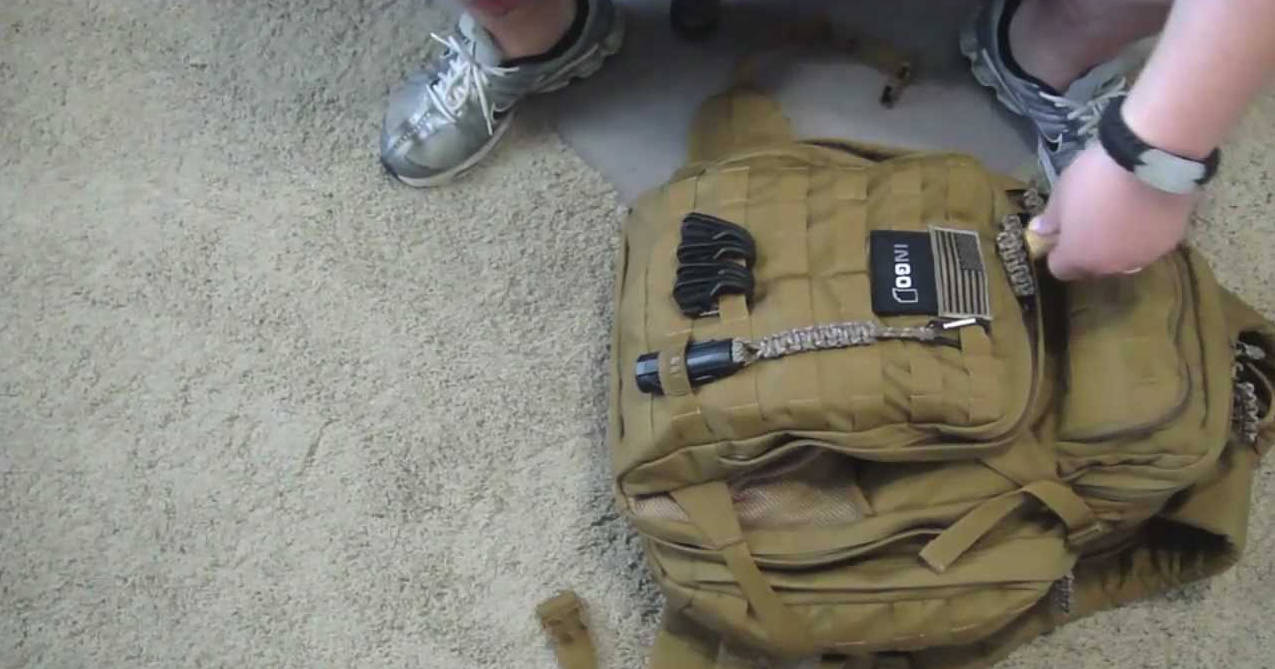
In my previous article I talked quite a bit about the kit I take on the road, but there are a few items that are a lot more relevant to a long Return To Base (RTB) journey that I’d like to focus on. Keep in mind that if you’re flying you’ll be a lot more limited in what you can take, and I’m not recommending that you’ll want or need everything on this list – do your route planning and figure out what makes the most sense for your plans. If you can’t bring everything with you that you’ll need, make a list of the critical missing items and identify local sources near your destination where you can obtain them quickly after an event.
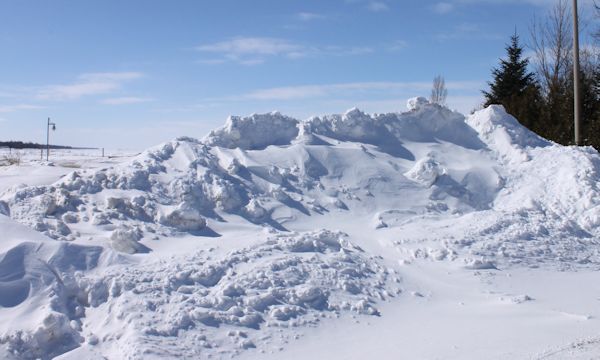
First things first – if you plan on walking all or part of your RTB journey (and you should, no matter what other options you’ve planned), one of the most critical pieces of your kit is your footwear. Anyone that’s ever gone on a long multi-day hikes can attest to the fact that blisters and fungal infections are some of the leading problems they typically encounter. Since you can’t always predict what the weather will be like your boots should be waterproof even in the summertime, since wet feet will cause serious problems. You should stick with lightweight merino wool or synthetic sweat-wicking socks, and bring at least two pairs so you can swap out wet ones for a clean dry pair. For winter time make sure you’ll need quality insulated boots and heavier socks. I also bring a set of gaiters when I travel in winter, which can help keep your pants dry and prevent snow from getting in your boot tops. Alternatively you could go with a pair of waterproof overboots, which will work better if you have to cross a lot of water obstacles. Regardless of what you bring for footwear you should always make sure it’s in good condition, and consider spraying it with waterproofing on a regular basis to maintain it.
Next is clothing, since exposure to extreme elements can kill you pretty quickly. If you’re traveling in hot weather you should focus on lightweight breathable long pants and long-sleeve shirts, along with a wide-brimmed hat, since getting sunburned would seriously hamper your ability to travel quickly. You should also include a cooling cloth, some sunscreen and sunglasses. If you’re traveling in cold weather, bring layers that you can put on and take off easily to help you maintain a comfortable body temperature. Merino wool base layers, puffer jackets and pants and a good waterproof outer shell provide a lot of flexibility and they pack up pretty small. Good insulated waterproof gloves are also a must.
One note on camouflage clothing – some people think it’ll be critical and other think it’ll cause more problems than it solves. I believe its value will depend on your situation and location, so I typically bring a camouflaged poncho in my travel kit that I can throw on if I need to blend in in the wilderness. If you’re worried about camouflage in snowy conditions you can stop by a hardware store and grab a set of white Tyvek painter’s coveralls to wear over your clothing, or you can bring a winter camo poncho.Continue reading“Planning Your Escape – Part 4, by JMD”