“Living well is the best revenge.” – George Herbert.
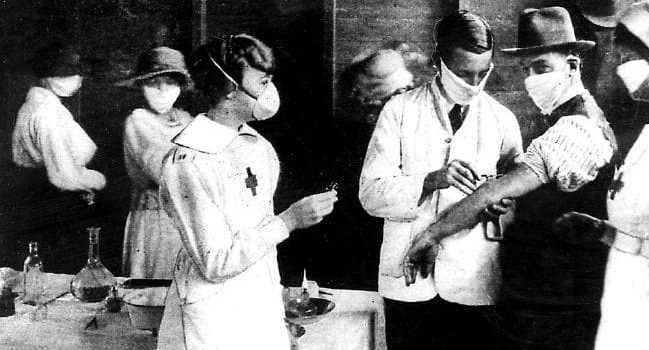
When I was in high school in the late 1960s, we were pretty sure someone was going to drop a bomb on us. We had graduated from duck and cover to emergency preparedness, bomb shelters and all. One day in the auditorium we watched some training on first aid and handling trauma. The films were pretty vivid and some kids left in a hurry to throw up. One thing from this that has stuck with me is: if you are sick or injured, you can’t help anyone else.
Anyone who has had major surgery or been extremely ill knows how helpless you can be and how dependent you are on those around you, whether or not they are prepared for dealing with an incapacitated person. The best way to survive and help your family and friends to survive is to not get sick or injured. There are some pretty solid strategies for doing this, the most basic including wearing personal protective and safety equipment, knowing your tools and using them properly, being conscious and aware in potentially dangerous situations and so forth. But in the long run, the best way to stay healthy is to drop bad habits, eat well, and live well.
In a November 2005 National Geographic article, Dan Buettner introduced the term Blue Zones to describe five regions where people more often than anywhere on Earth live in good health into their 100s. Although these areas differ dramatically in culture and diet, they have some very particular things in common, many of which people familiar with this web site will recognize. One is that they are mainly self-sufficient, relying very little on outside sources for their food.
The Blue Zones are Ikaria, Greece; Okinawa, Japan; the province of Ogliastra in Sardinia, Italy; the community of Seventh-Day Adventists in Loma Linda, California; and Costa Rica’s Nicoya Peninsula.
The Mediterranean Diet you may already know something about, and it is a good approximation of the diets from Ikaria and Ogliastra with a few exceptions. The Mediterraneans use milk products—people from the other zones, not so much—and they also tend to have alcohol in moderation, usually one or two glasses of the local wine daily, a wine loaded with cancer-fighting antioxidants. Okinawans eat fish pretty much every day and lots of sweet potatoes, their main source of carbohydrates. The Adventists are pesco-vegetarians although some also eat small amounts of meat, and they don’t drink alcohol, caffeine or sugary drinks. The Costa Ricans thrive on the traditional corn, beans and squash of the ancestors along with regional fruits, yams and occasional eggs.Continue reading“Living to 100: The Blue Zone Diet for Survival, by M.E.”