I grew up in the kitchen, with both parents very capable in the kitchen and spending time with my dad in the restaurant he worked in for much of my life. Though my mom did not “love” me doing my own thing in “her” kitchen, she was always happy with me helping, which taught me a lot. Once I had my own kitchen, I would experiment with many a variety of dishes for breakfast (homemade waffles and apple turnovers), lunch (homemade vegetable sushi), dinner (eggplant, parmesan, and chili), and dessert (homemade cheesecake and cookies). Though I felt comfortable with all of these items and more, I hesitate to make my own bread. There was something about making bread that felt too hard and time-consuming. Well, the time of quarantining and not being able to work in person with my clients for a period of months (I am a real estate broker), I was given plenty of time. My boys were already homeschooled, so luckily being home together was something that we were already well-adjusted to.
So, enter the world of bread! Scary at first with concerns about what yeast is best, when is the water too hot or too cold, so many flour options, which sugar and salt, just so much to consider. So first I bought my yeast, local yeast that I purchased at a nearby family-owned farm. I decided to start with bread flour, organic as we try to keep all of our food clear of any pesticides, GMOs, and artificial colors, preservatives, or artificial flavors. I used organic pure cane sugar and organic kosher salt. I just use the filtered water we have at home and bring it to a “warm” temperature in a pot on the stovetop.
Peasant Bread
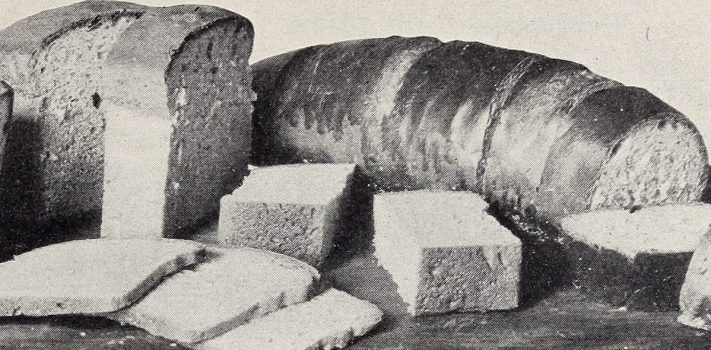
I began with peasant bread, the bread most loved by our family, especially my eldest son. The first two went well, but not great. I prepared everything as I read in multiple recipes, as I have found over the years that I do best with blending recipes. After much trial and error, I have this recipe down now. My first attempt I completely forgot to do the second rise (with all breads I have prepared, your bread should rise first in a bowl, then it should have a second opportunity to rise in the pan you will be baking it in), thus the bread with not moist and fluffy, instead it was very dense.
On my second attempt I did do both rises, but not for long enough based on the temperature of my home, as we do not keep it very warm. Thus, this bread was also dense, but much better that my first attempt. It is important to remember whenever trying something new, be it bread-making or any other new skill, learn through your failures! I didn’t give up, and I am glad I kept at it. My third attempt proved to be successful! This time I let my bread rise for a longer length of time for both the first and second rise (longer time helps with cooler temps), and I put the bowl on the oven to rise while keeping the oven at a low temperature.Continue reading“For the Love of Bread, by Autumn D.”