The community of emergency preparedness has devolved into something of a hoarder arms race. It’s not surprising why. Our threat assessment has changed from just being concerned about natural disasters that may last a few weeks, to being worried about our own government relentlessly sabotaging our way of life just for the kicks and giggles. Those with their eyes and ears open take nothing in our luxurious modern society for granted. But just because one can identify a problem doesn’t mean they have figured out an efficient solution to it. I have seen countless comments and videos by survivalists who do things like buy tons of dollar store or clearance “deals” because: it is “cheap” and “it might be useful”. The result is they get an ever-growing pile of junk that just makes it harder to keep track of your own possessions, and upsets the wife. If you can’t find what you need when you need it because you have too much clutter… do you actually have it?
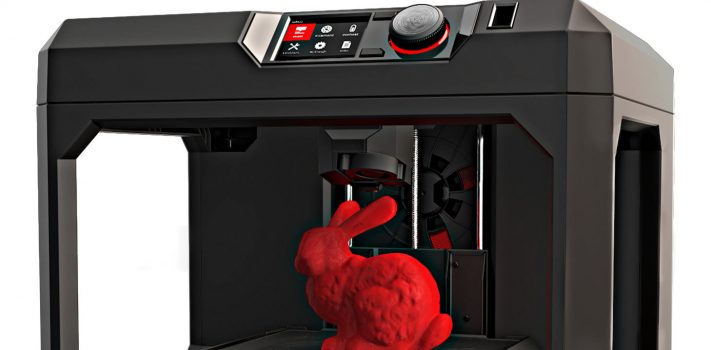
There is a solution to this logistical nightmare, and it doesn’t involve renting storage, it’s additive manufacturing, otherwise known as 3D printing. When one thinks of a survival situation, most of us imagine a rural grid down situation, and not cutting-edge technology. The reality however is that most widespread emergencies even in the case of anarchy do not result in a true societal collapse. Those who have preparations to sustain electronics will be well ahead of the curve than those do not. Grid failure is no longer as big of a roadblock as it was before, with many more decentralized power generation options that are available at the consumer level. Nearly all of us at this point have some kind of power generation and battery bank setup at home. While 3D printing is a slow process that takes hours or even days to produce something, it is a very energy-efficient process with a peak of ~240W which is very similar to the power required to run a desktop computer, which isn’t exactly an electricity hog.Continue reading“Additive Manufacturing – Part 1, by M.”