Climbing the learning curve from “erstwhile city slicker” in Texas to remote rural life in Alaska, my acclimation has been immeasurably aided by several courses in botany, which have enhanced both gardening and foraging for food, home remedies, and construction materials. Currently, I am enrolled in a fascinating on-line course in Applied Ethnobotany. It is offered by the University of Alaska-Fairbanks.
As the name suggests, this field studies human use of plants – for food, fuel, textiles, shelter, medicine, and anything else. I am learning how indigenous peoples and settlers utilized the resources all around them, that other people, like me, surely overlook. Interested readers will see below a list of resources they may be able to utilize for their own regions.
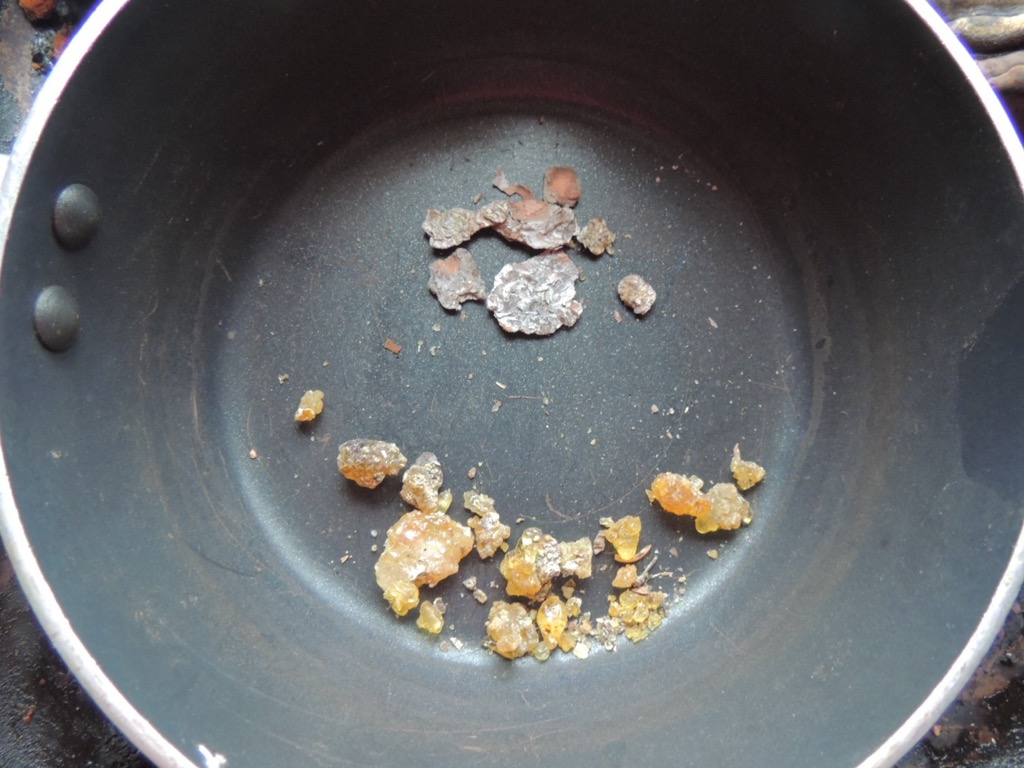
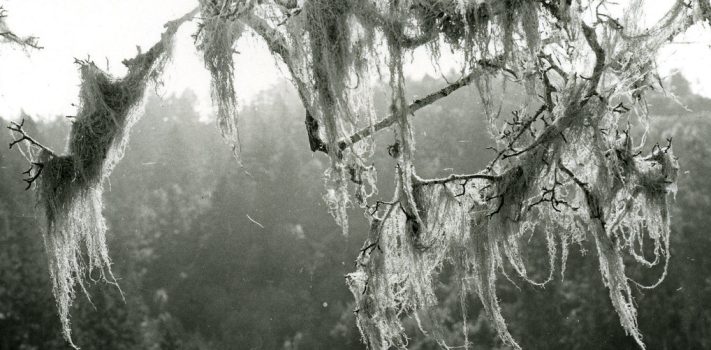
At the very beginning of this course, our professor instructed us to harvest some local plants for several projects. Really? In February? In Alaska? What could I find this time of year? Well, duh, trees. I live in a forest! But besides use as firewood, construction, and spring birch sap, I did not know much. So one day, my husband and I pulled on our snowshoes and dragged a little plastic sled through the woods for a scavenger hunt. How fun! In half an hour, we gathered two species of pendulous (hair) lichen with the evocative colloquial names of “witch’s hair” and “bear hair,” chopped some chaga and “punk” conks off old birch trees, peeled off some loose birch bark, gathered a handful of frozen spruce resin globules, and cut a wrist-thick swath of sweet grass sticking up through shallow snow beneath the shelter of a large spruce tree.Continue reading“Winter Foraging, by Mrs. Alaska”