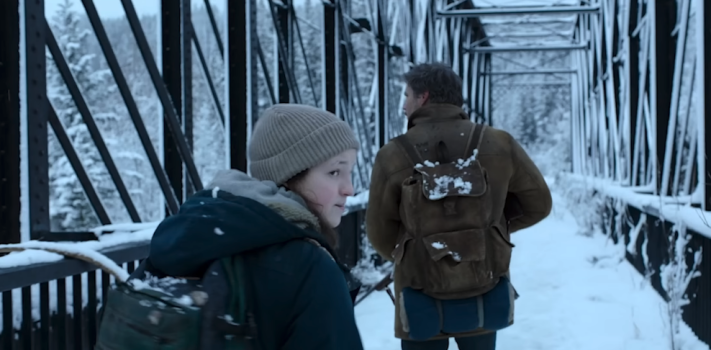
SurvivalBlog presents another edition of The Survivalist’s Odds ‘n Sods. This column is a collection of news bits and pieces that are relevant to the modern survivalist and prepper from JWR. Our goal is to educate our readers, to help them to recognize emerging threats, and to be better prepared for both disasters and negative societal trends. You can’t mitigate a risk if you haven’t first identified a risk. In today’s column, we look at the new The Last Of Us television series.
—
Gaming Fans Like The Last Of Us Television Series
The Last Of Us TV Series First Impression: Off To a Good Start. JWR’s Comments: Though it is only slightly more believable than typical zombie-themed movies and television series, The Last Of Us, has its merits. I watched the pilot episode. Most of the imagery seems to have come from the video game, but some of it appears to borrow from survivalist fiction. The production value of the show is fairly high for television, the special effects don’t seem cheesy, and the acting is above average. But be prepared for some obligatory Hollywood bows to the Woke crowd. I have read that there is a homosexual couple subplot in Episode 3.
Hundreds of Thousands of Kids Never Returned to School
By way of The McAlvany Daily Update (Your Daily G2), there is this, over at Clarion News: Hundreds of thousands of kids never returned to school.
Study: Not Enough Metals to Replace Oil
Reader D.S.V. sent this, from The New American: Geological Study Refutes Green Energy Agenda: Not Enough Metals to Replace Oil. An excerpt:
“Simon Michaux, PhD, Geological Survey Finland[,] has done a detailed study of what’s required to phase out fossil fuels in favor of renewables, to wit:
‘The quantity of metal required to make just one generation of renewable tech units to replace fossil fuels is much larger than first thought. Current mining production of these metals is not even close to meeting demand. Current reported mineral reserves are also not enough in size. Most concerning is copper as one of the flagged shortfalls. Exploration for more at required volumes will be difficult, with this seminar addressing these issues.’ “