In the fall of 2021, I took a college course titled “Ethics & Social Responsibility in Technology.” The course began by investigating Amish communities as an example of technological stewardship. Contrary to popular belief (including my own before the class), Amish communities do in fact utilize a variety of technological innovations. What differentiates Amish technology use from mainstream culture is that the Amish view technology as a means to an end and do not blindly adopt new tech for the sake of progress. Rather, each new technology is carefully evaluated to determine if it aligns with their beliefs and lifestyle. Although adoption of technology is determined individually by Amish communities, in general most new technology is not adopted. The traditional Amish lifestyle is valued over the comforts and convenience of modern technology. Though it could be argued that the Amish have an overly suspicious view of innovation, it is hard to disagree with their belief that technology has the potential to greatly change a culture.
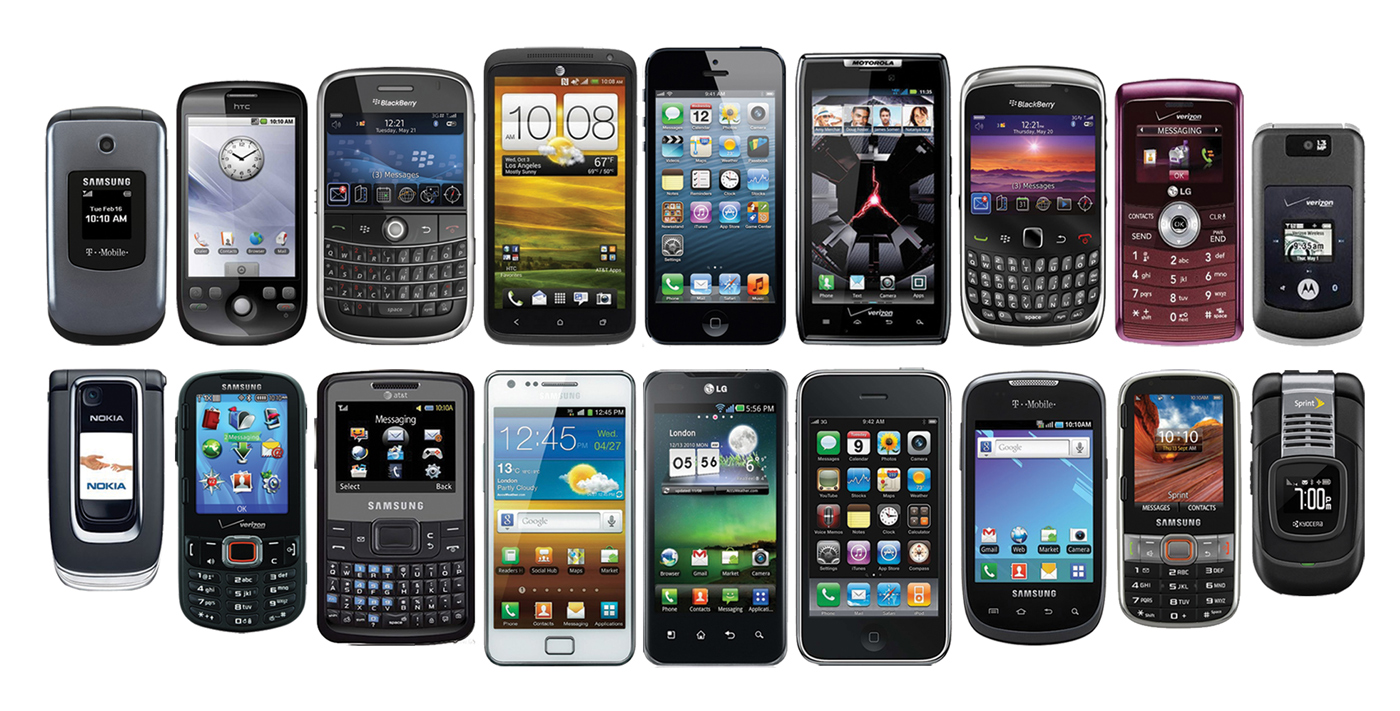
The class spurred me on to examine how I was using technology in my own life. While in general technology has had a positive effect on my life, I could not decide if smartphones helped me or not. As a millennial (on the young end of the age range) I first began using a smartphone around the time I graduated high school and had never looked back. Over the next decade and a half, I saw smartphones increase in processing power and Internet functionality. Without really thinking about it, I had grown accustomed to carrying around what was essentially a supercomputer in my pocket, along with the unbridled Internet and communication access that entailed.Continue reading“The Case for “Dumb” Phones, by A.R.”