From Unprepared to Prepped – A Beginner’s Guide – Part 1, by Mr. Wobbet

Introduction When thinking of what a “prepper” might look like, I am quite far from your expectations. I am an avid indoorsman who enjoys watching television and having stuff delivered. I am not a gardener, a camper, a hunter, or an adventurer. I don’t have anything against those things, it’s just not who I am. But a collection of life events and experiences have convinced me that learning those skills and adopting an attitude of preparedness is important for myself and my family. Once I made the decision, I had to ask the question of how I get there. I’m …


A Top-10 Prepping List, Multi-Tool Not Included – Part 2, by St. Funogas

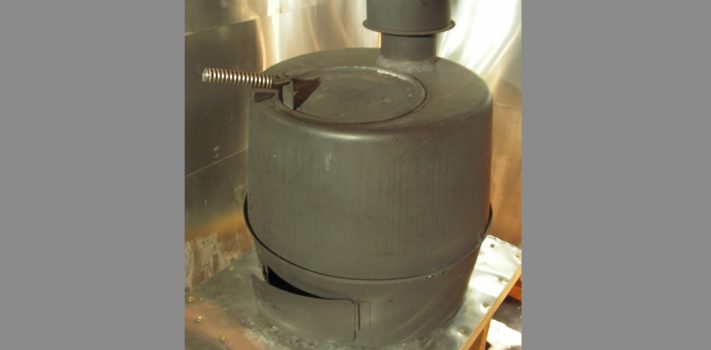
(Continued from Part 1.) 3. WOODSTOVE Currently, only 1.7% of American homes heat with wood with an additional 7.7% use it for their secondary source of heat. That leaves 90% of Americans without a sustainable way to heat their homes if the SHTF. Don’t be one of those 90% if you want to survive your first post-SHTF winter. Based on those numbers, for most preppers heat will be the second most difficult thing (after water) to prepare for on a long-term sustainable basis. And because it’s so difficult, it’ll be the most neglected topic among their prepping priorities. Don’t ignore …


A Top-10 Prepping List, Multi-Tool Not Included – Part 1, by St. Funogas

A while back, while reading one of my daily economics blogs, I read an article on the top 25 things to have on hand in case the SHTF tomorrow. It was quickly apparent the author was an armchair prepper at best. Many of the non-negotiable items were overlooked, some items would be good for wilderness survival but not post-SHTF survival, and others were common everyday things we already own such as warm socks. Some of the items were unnecessary gadgets. Out of curiosity I did a search for other top-10 lists. The ones I found had the same issues. The …


Life With Propane Freezers and Refrigerators

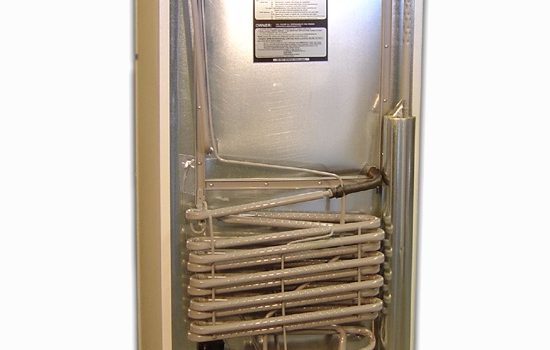
Via an e-mail from reader Richard T., I recently had a special request to write an article.  His request: “From a 1975 The Mother Earth News magazine, I found an obscure reference to the Crosley “Icy Ball” refrigerator and a search found it mentioned in a SurvivalBlog article from 2009. I followed the link in the article which led me on to research it some more. Using “Crosley Icy Ball refrigerator” as a search phrase in Youtube I found several short videos on it. I then discovered this was not a lost technology but this is how RV and propane …


Fuels for Cooking, Warmth and Comfort – Part 4, by Lodge Pole

(Continued from Part 3. This concludes the article.) Cooking with Wood and Propane We do not regularly use our house wood stove for cooking. We can, but since we installed the wood stove, it has not been needed. Recently, I was given an old, homemade wood stove from an old-timer’s cabin. The stove is very well made. I have it outside of the shipping container and use it to cook on. It is an extremely large stove inside and out. It stays outside and will likely never be indoors again. Whoever built it, put several feet of ¾ inch steel …


Fuels for Cooking, Warmth and Comfort – Part 3, by Lodge Pole

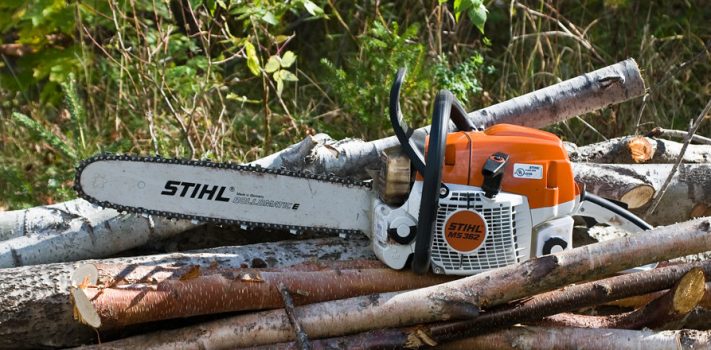
(Continued from Part 2.) When the 2024/2025 woodstove season started, I had roughly seven cords of stacked, seasoned wood in the shipping container. We use about two cords of wood each winter. My goal is to always have at least two years of firewood on hand. To me, three years is an insurance policy. If I am unable to gather firewood one summer, I do not need to worry. I will simply gather more the following summer. I also store everything I need to gather, cut, carry, and split wood to prep it for storage. Our log splitter, chainsaws, axes, …


Fuels for Cooking, Warmth and Comfort – Part 2, by Lodge Pole

(Continued from Part 1.) Tools for Cutting Wood at Home Wheelbarrow or manure cart- I use these to haul wood and cutting equipment. Occasionally, someone will offer me free firewood they cut some time previously. Sometimes, if it is seasoned and not split, the wood can be heavy. In these circumstances, I will use a furniture dolly, but I try to never cut and/or haul anything that large/heavy. Hunting/Boy’s Axe – I prefer using a two-pound “boy’s axe” because it is extremely light, and easily maneuverable. This is strictly used for delimbing. Splitting maul – I use these not only …


Fuels for Cooking, Warmth and Comfort – Part 1, by Lodge Pole

Before buying our home, we rented it. The first winter living there, I had forgotten to call and get a propane fill-up. When I checked the tank level, it showed 1%. I called the propane company, explained that I needed a fill-up, and was told they could not service me for another week or more. The only exception was if I agreed to be placed “on route”, which meant they would fill my tank when they were in our area, every two weeks. We needed propane to stay warm since our only heat was an HVAC system, so I agreed …


Circuit Breaker Panel Labeling, by Free Loader

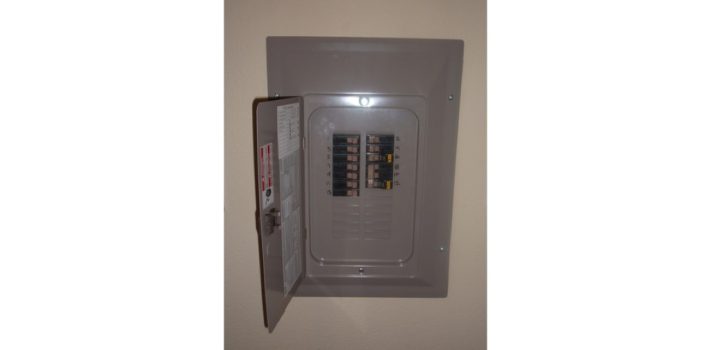
Most people’s circuit breaker panels that I’ve seen (including my own) are poorly labeled regarding where each circuit breaker’s current actually goes. Many panel descriptions are either very vague about what circuits are on each breaker or they aren’t labeled at all. Usually, this happens because the person who installed the panel was in a hurry to finish the wiring and never returned to label them properly. When they did label them, it was often with something vague like “east half house” or “basement.” These descriptions aren’t very helpful when you’re trying to locate the specific breaker for a particular …


Post-TEOTWAWKI Refrigeration, by 3AD Scout

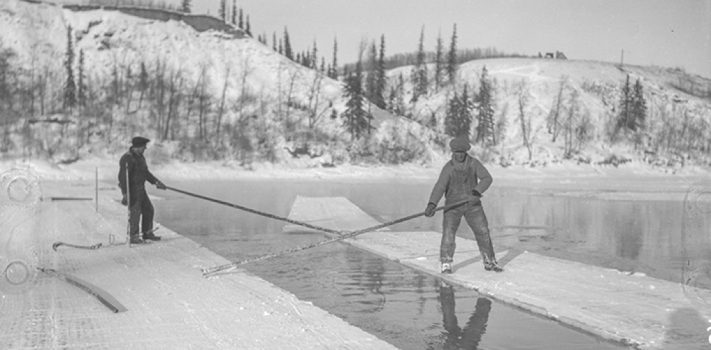
My Amish neighbor, who recently moved into the neighborhood, was telling me that he was going to build an ice house from a kit.  I told him to let me know when he was going to assemble it and I would give him a hand.  I have some historical knowledge of how ice used to be harvested, stored, delivered, and used before modern refrigeration, so I was very interested in how the Amish store and use their ice today. The Component kit The ice house kit consisted of 14 large pieces of styrofoam that were one foot thick.  The kit …


SurvivalBlog Graphic of the Week

Today’s graphic: How Americans Heat Their Homes. (Graphic courtesy of Reddit and Maps.com.) JWR’s Comments:  In the Midwest, natural gas is popular in urban areas, and propane in rural areas. Despite the advent of electric heat pumps, propane is gaining in popularity in the southeast and Texas, where higher electricity rates and power outages have made many residents reconsider their home heating options.  The extended grid power failure in Texas in February, 2021 was a wakeup call for people who rely on electricity for home heating and cooking. The supply of natural gas was also partly disrupted, but propane users …


U.S. Military Tent Stoves – Part 5, by Tunnel Rabbit

(Continued from Part 4. This concludes the article.) This photo shows the area behind the stove that is about 18 inches away. It could have been safely installed at only 12 inches away, yet because there was the space available and to help improve the airflow at the closest point, 6 inches, this was a good use of the additional distance. In addition, we can see the welds around the stove pipe collar on the wood stove and the welds at the juncture of the lower half and the pan that supports the grate. The bottom of the stove becomes …


Practical Wood Stoves, by Tunnel Rabbit

Wood stoves are the heart of everything that happens at a off-grid homestead. The obvious reason is that it provides heat that keeps the home warm and comfortable, yet it can also be used to cook and preserve our food, boils water for drinking and cleaning, and just as important, wherever it is located there will be the family gathered together. The Fisher/Forester style stoves were produced in the the early 1980s all over the U.S. in small and large metal fabrication shops that purchased the doors that had the name brand cast into the door. Had the name plate …


The Final Countdown: Last-Minute Readiness Checks – Part 2, by Michael X.

(Continued from Part 1. This concludes the article.) Water List This is an item for the first three days. This is super important and needs to be one of the first items confirmed. Check locations and condition of water sources: Bottled Water/Stored water containers Well water (power dependent) Lake water – are there containers to carry and larger containers to store lake water? Is there a rainwater collection option available? Is the Berkey/Filtered water system ready? Can the tub be successfully filled with water from the system before the power goes out or the line pressure is gone? Can I …


The Final Countdown: Last-Minute Readiness Checks – Part 1, by Michael X.

Hypothetically, (of course), assume for a moment that the proverbial fan has been hit. Now you have three days….or two weeks….or two months…until the consequences of the event hit where you are. Good luck guessing how long it takes to hit you. Are you as ready as you can be? Are you sure? How do you know? How and when it hits you, whatever it may be, may be based on three key things: the type/cause of disaster, your proximity to the disaster or populated areas, and the stability of your systems (electricity, water, fuel, and human support systems). THE …