
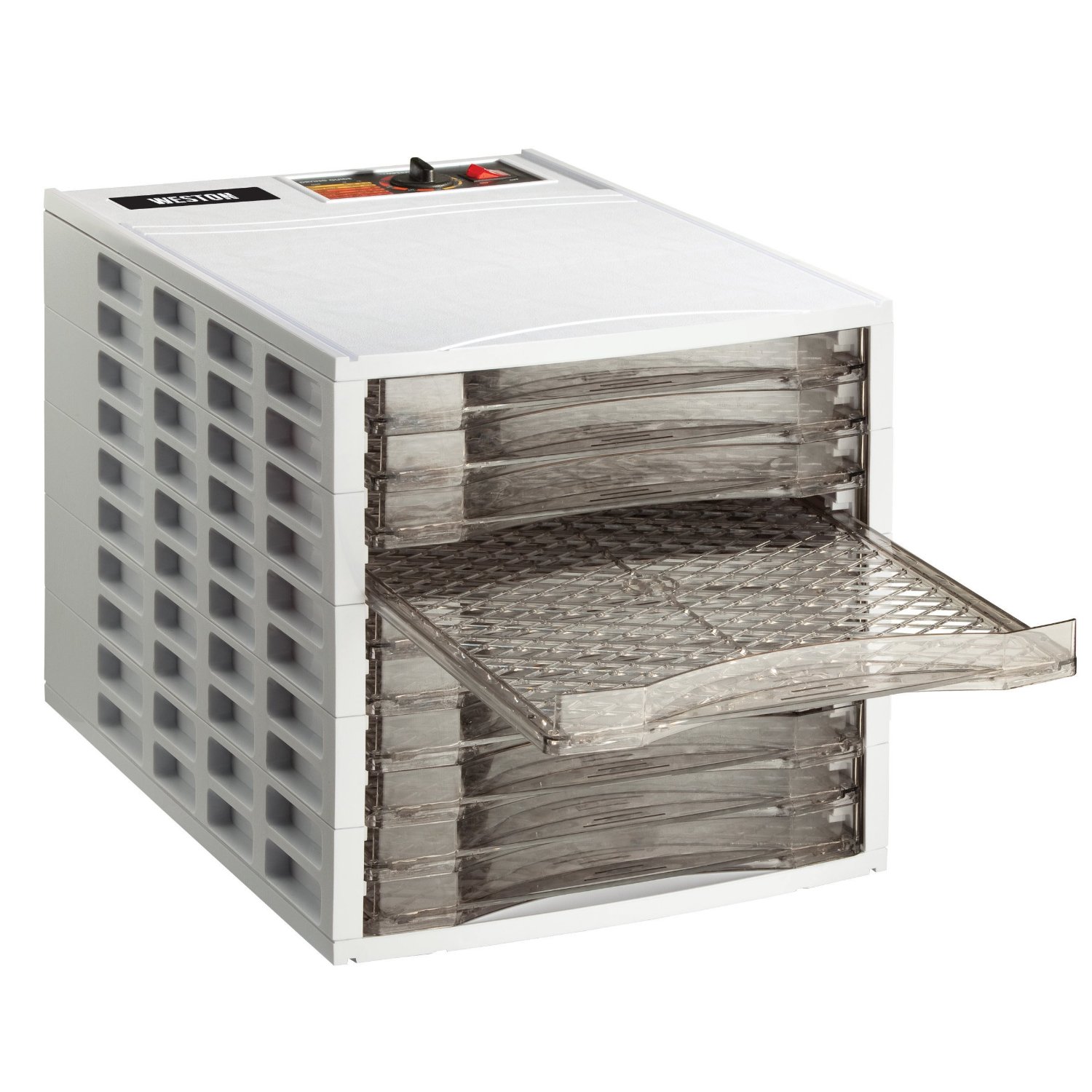
Two Letters Re: Dehydrators

Hugh, The article about dehydrating foods was very well written, thanks. Subsequent comments about preventing small foods from falling through the trays prompts me to offer my solution. I use an ordinary American Harvest dehydrator with stacking trays. I line the trays with parchment paper that I have ventilated by punching holes through the paper, using an ordinary hole punch with the paper folded prior to punching, like making paper “snowflakes.” I lightly oil the paper with coconut oil, and find I can reuse them many times before they need to be replaced. Thanks for all the very informative articles. …


Notes for Wednesday – August 24, 2016

On August 24th, 410, Rome was overrun by the Visigoths in an event that symbolized the fall of the Western Roman Empire. This is a moment in history that we would do well to remember. An empire that ruled the world was corrupted from the inside to the point that they could not defend themselves from a much weaker enemy. This could conceivably be the beginning of the dark middle ages. o o o Today, we present another entry for Round 66 of the SurvivalBlog non-fiction writing contest. The nearly $12,000 worth of prizes for this round include: First Prize: …


I’m Not In The Position To Right Now- Part 1, by D.D.

Bring up disaster preparedness and you’ll get a variety of reactions, everything from concern to amusement. Awhile after you start this discussion you’ll usually receive a comment like “I’m coming to your house.” This last declaration being an entirely different issue in and of itself, it’s a statement to the effect of “I don’t have to do anything because you’re doing it all for me. I will continue on my merry life while you make the sacrifices necessary to save me if anything goes wrong. You save, you train, and you go without. We’re friends, and I’m special.” Here are …


Guest Article: SHTF Intelligence – Getting Started- Part Three, by Samuel Culper

This is the third article in a series about using intelligence for preparedness. I’m starting from square zero in order to introduce a new crop of Americans to the concept of using intelligence, to prove that there’s a need for intelligence and to get readers quickly up to speed on how to incorporate it into their security planning. For a better foundation, be sure to read Part One and Part Two and check out the Ultimate ACE Startup Guide, too. Brief Recap In the first article, we established that prepared communities need intelligence because they’re going to have blind spots …


Letter Re: Dehydrating Foods

Hugh, In regards to what to use to keep your small foods from falling through the cracks of the screens, I have an answer that may or may not be safe, but I’ve have years of good luck. I put tin foil on the screen, then put a spritz of Pam cooking spray, then use a bit of paper towel to make sure the foil gets covered. I don’t spray the foil completely because I don’t care for the oily texture that remains after dehydration. When I use foil, I only use every other tray giving my machine ample air …


Recipe of the Week: Fondue Italiano

Ingredients: 1 lb lean ground beef 1 envelope spaghetti sauce mix 2 (15 oz) cans tomato sauce 1 lb sharp cheddar cheese, shredded 8 oz mozzarella cheese, shredded 2 tbs cornstarch ½ cup dry red wine Directions: In a skillet or slow-cooking pot with browning unit, cook beef until crumbly; pour off excess fat. In a slow-cooking pot, combine beef with dry spaghetti sauce mix, tomato sauce, cheddar and mozzarella cheeses. Cover and cook on low for 2 hours. Dissolve cornstarch in the wine. Turn the control to high and add dissolved cornstarch. Heat on high for 10 to 15 …


Letter Re: Development and Maintenance of the First Weapon

Hugh, I appreciate B.C.’s points related to the majority of our population being poorly prepared physically to deal with increased levels of stress. As a physical therapist and athletic trainer for 24-plus years, I see it every day. I do want to make one observation and warning, for lack of a better term. There is a huge difference in “normal tissue” and “pathologic tissue”, or tissue that has gone through a process that is called secondary healing. Secondary healing is when there has been enough damage to a muscle, or ligament, or skin, or joint surface, (pick your tissue type), …


Letter Re: Rethinking Wound Care

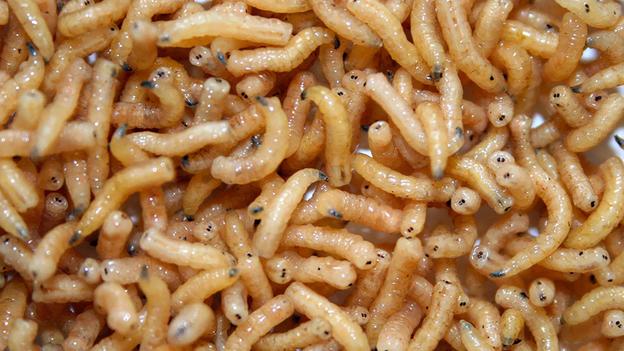
HJL, What the writer says is spot on for infection occurring more often in warm and moist conditions. One note here, however. Flies in a wound are going to lay eggs and you are going to get maggots. As disgusting as that sounds, it might not be a bad thing. Maggots have been used for centuries to debride wounds. (Debride means to remove non-viable tissue.) Maggots only eat the dead tissue, which is where the infection is at its worst. The less infection present the easier it is for the bodies defensive mechanisms to fix the problem. I first became …


Keep Your Nose Clean!, by E.P.

In a survival situation, one of the most important things to consider is hygiene, especially if you are caring for children. In developed countries, waterborne illnesses and skin diseases are no longer common, but even in a short-term survival situation, unclean spectres rear their ugly heads. Fortunately, a simple family hygiene kit is easy to prepare and store. Although public health has advanced much in the past 150 years, at its core it consists of isolating waste and washing hands properly. Other important considerations are regular bathing and dental hygiene. As a mother of six children, I would also add …


Two Letters Re: Urban Trash

Hugh, Under item number 7 (Recycle). Textiles, including things like shoes and purses, that aren’t in good enough shape to be donated to thrift stores can be recycled through GemText. Be kind and make sure the items are clean. Go to gemtextrecycling.com to see if they are near you. – S.B. o o o HJL, This contributor recommended burning trash that is combustible outdoors. This used to be common practice, but it is now most likely banned as illegal open burning in all but the most rural locations. Even in rural areas there can be burning bans due to wildfire …


The Development and Maintenance of the First Weapon- Part 2, by B.C.

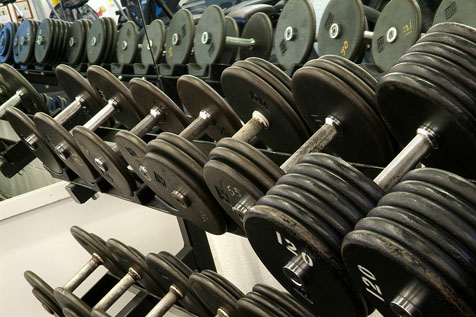
Strength-Building Option 2: Alternative Training Your second option is much less expensive and is easier, but it’s less lucrative in its payoff. You’ll need three handled water containers (I would use the inexpensive pre-filled 2.5gal ones you can buy at the grocery store), a pair of grippy work gloves, and a large filled and twist tie sealed sandbag. You’ll leave them filled as is for now, but will eventually fill the containers with sand or dirt as you get stronger. Fill the sandbag to a weight that allows you to take it from the ground to your shoulder 5x with …


Letter Re: Dehydrating Food

Hugh, Thanks to the author for a very informative article on food dehydrating. Dehydrating frozen vegetables from the grocery store is a very easy way for the beginner to start; however, as these small particles of food shrink they will fall between the openings of the trays. Don’t use cheesecloth unless you want to spend an hour with tweezers picking them free. Try to find a fiber-free porous inert material and then let me know what that is. A pulverized mixture of various dried vegetables makes a great soup additive or a table seasoning. I’ve made dried soup mixes from …


The Development and Maintenance of the First Weapon- Part 1, by B.C.

“You can’t make people smarter. You can expose them to information, but your responsibility stops there.” -Mark Rippetoe, Strength Coach and Texan Two-thirds, one-third, and one-tenth. Those are the stats on how many Americans are overweight, obese, and have diabetes, respectively. Let that sink in for a minute. One in ten Americans would be dead within weeks, should their insulin supply be cut short by any kind of major incident. (Insulin is only guaranteed to be good for 28 days.) There would be roughly 30 million bodies in the first two or three months. The remaining folks who are obese …


Two Letters Re: Urban Trash

Hugh, This article is a good start to a problem solving dilemma. It definitely requires a mindset change, but that’s achievable for everyone. The best book I ever read, back in the late 80s, on this subject is Re/Uses: 2133 Ways to Recycle and Reuse the Things You Ordinarily Throw Away by Carolyn Jabs, published in 1985. – T.S. o o o Hugh, When I have plenty of scraps, I do just as the author suggests (and as Julia Child had suggested in her book!) and make soup stock with them, canning them for later use. It makes for wonderful, …


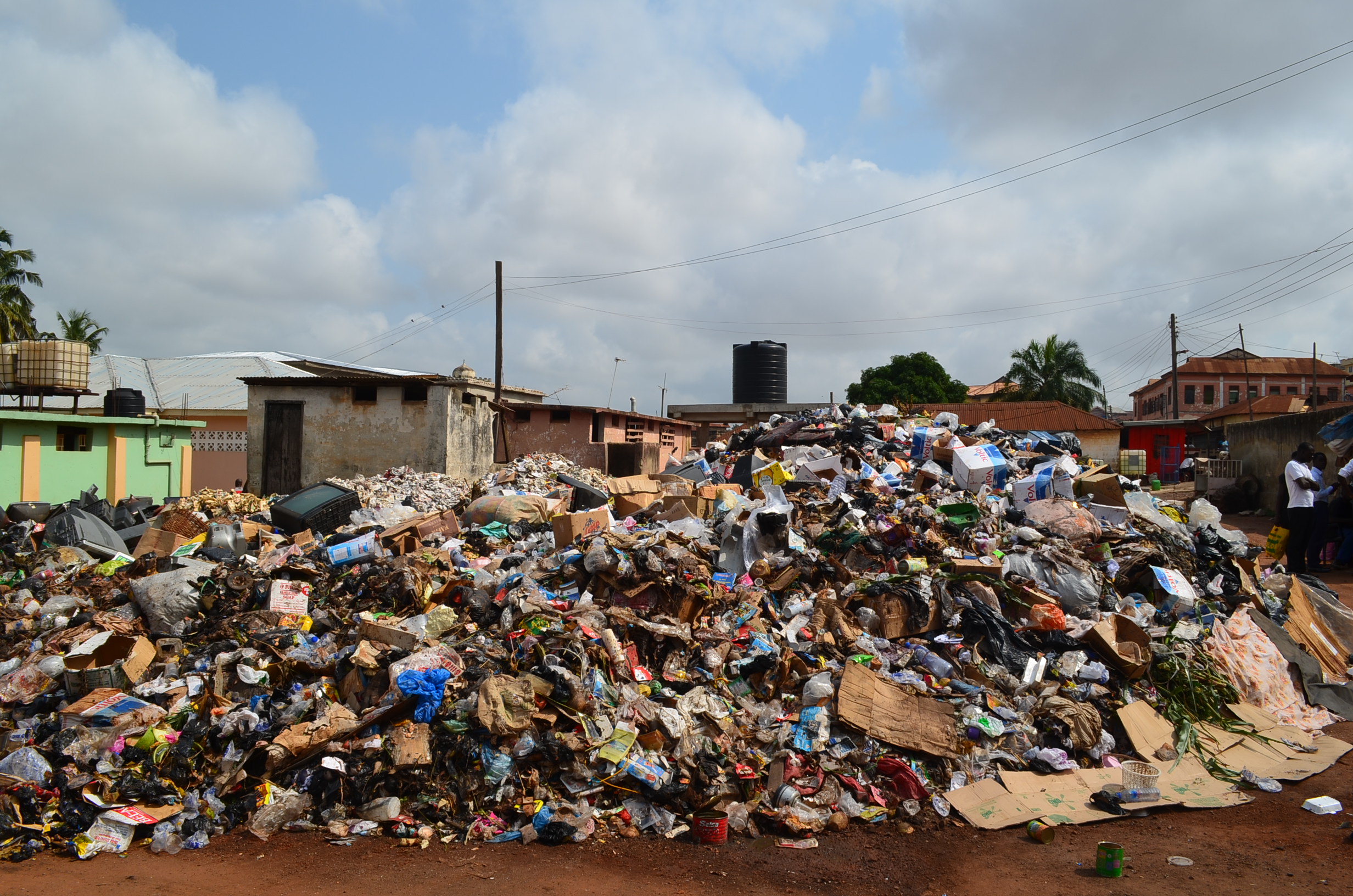
Urban Trash: Why and How to Minimize Your Garbage- Part 2, by K.S.

3. Compost/Animal Food Technically you could differentiate between these two, as some items that you can compost you shouldn’t feed to certain animals. So scrounge two plastic buckets of a size you’ll actually use, carry, and empty, and make sure they have well-sealing lids since you’ll probably keep these in the kitchen. Then, label one Compost and the other Chicken Food (or whatever). Keep them under the sink or somewhere where you’ll actually use them. I’ve heard that compost “rules” have changed and you might be able to compost meat and dairy products now. I probably wouldn’t feed old meat …