Elements of a Security System – Part 4, by J.M.

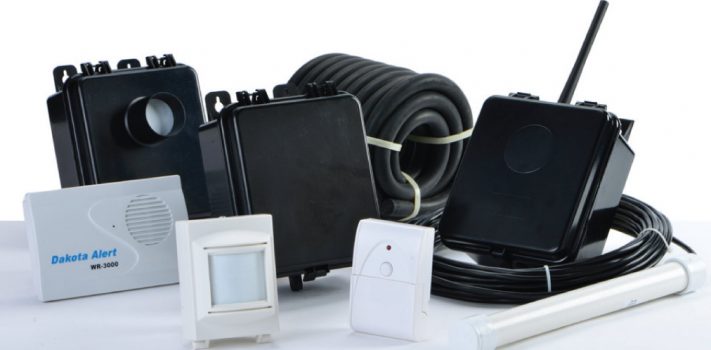
(Continued from Part 3.) The second type of alerting – remote signal back to a centralized alarm console with a wired or wireless connection when the tripwire is tripped – can be a bit more complicated. In either case you can use something as simple as the clothespin switch to connect two wires to close the circuit, or to ‘press’ the button on a remote transmitter to trigger a relay that set off a light/buzzer. Regardless of the use of local versus remote alerting, if there are any electronics or other components that could degrade when exposed to the elements …


Elements of a Security System – Part 3, by J.M.

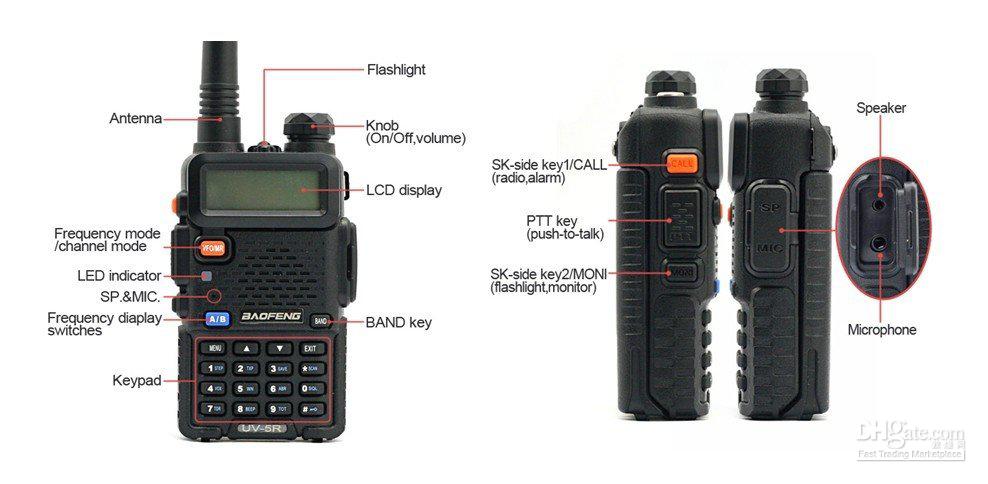
(Continued from Part 2.) There’s another potential option for alerting that could be categorized as ‘mobile centralized’ – it’s possible to set up a radio transmitter connected to a centralized console that would transmit a pre-recorded voice alert (e.g. ‘Alert in zone 3 North’) to a radio that you carry around with you. Some of the sensors I’ll be discussing later have this capability built-in, but you could implement a similar function using a Raspberry PI computer to monitor the sensors, connected to a RTL-SDR software-defined radio to transmit pre-recorded audio alerts. Implementing this would be moderately complicated and is …


Elements of a Security System – Part 2, by J.M.

(Continued from Part 1.) The final aspects you need to consider when planning a security system are the types of threats you need to be able to detect. If you live in a wooded area where there are a lot of experienced woodsmen and hunters, you’ll have to consider how to detect people that know how to move silently and effectively and are more likely to notice things like tripwires or trail cameras. On the other hand, if you’re in an area that may primarily experience urban sheeple migrating in search of resources after a disaster, your security situation will …


Elements of a Security System – Part 1, by J.M.

Editor’s Introductory Note: This detailed article series is by J.M., who you may remember as a SurvivalBlog Writing Contest First Prize winner in March, 2018, for his five-part article: Perspectives on Patrolling. (This is the first installment in a five-part article series.) — When you talk to people about preparing, one of the most common themes you’ll encounter is that they want to ensure the safety and security of themselves, their families and their friends in the event something disrupts the ‘rule of law’. The reality is that even with active law enforcement in normal times there are thousands of …


A Beginner’s Wood Splitting Journey – Part 2, by The Novice

(Continued from Part 1. This concludes the two-part series.) The Straight Stack I initially stacked my split wood in straight, eight-foot sections about four feet high. This made each of those sections contain approximately a face cord of wood. Three face cords comprise a full cord. We typically burn six to eight full cords each winter. I put a strip of tarp on the top of each stack and weighted it down with extra pieces of wood. This kept the rain off the top of the stack while allowing the wind to blow through and the sun to dry the …


A Beginner’s Wood Splitting Journey – Part 1, by The Novice

Six years ago, my wife and I slipped the surly bonds of suburbia and sought refuge in less densely populated parts. We settled in a log home in the woods. The northern woods in winter are beautiful but cold. Keeping warm led to a discovery: propane is expensive. So in the interest of fiscal responsibility, we henceforth heated our home by the sweat of my brow. The details of felling trees, limbing, bucking logs, and hauling billets belong to a tale for another day. My story today concerns splitting wood: the experiences of a smooth-handed greenhorn reducing billets of wood …


Triggers to the Second American Revolution, by A.D.

Having been a reader of SurvivalBlog for a couple of years, I have read some fascinating articles. The body of knowledge out there is truly astounding. There have been many articles about preparing for the difficult times ahead which I found to be helpful and unsettling. Sometimes, I feel the dread of knowing a powerful storm is heading our way and there is going to be much hardship as a result. My family lives in the hurricane belt, and one of the frustrating things is knowing a storm is on the way and trying to develop an action plan when …


Gardening When It Counts – Part 2, by A.K.

(Continued from Part 1. This concludes the article.) Garlic deserves a place in a survival garden. Both for it’s culinary attributes as well as medicinal qualities, garlic is a champ. Plant the largest nicest-looking cloves you can find, as you want your crop to have good genetics. After harvest, dry the crop carefully. Store the biggest heads of garlic in a separate place to replant for the next crop. Either soft neck or hard neck garlic will work. Hard neck garlic produces green scapes which need to be cut off; these can be used in cooking. Hard neck garlic is …


Gardening When It Counts – Part 1, by A.K.

Many of us have had a garden at one time or another given the space to grow one. We’ve had good gardening years with seemingly endless buckets of tomatoes filling all of the kitchen counter- top space not to mention the dilemma of what to do with all of those zucchini! Then there’s been the years when other things took priority. Maybe we didn’t get the soil prepared in time and finally got around to planting whatever seedlings we could find at the garden center in mid-summer. Perhaps we went away on a summer vacation and returned to find the …


Recipe of the Week: Karen D.’s Carrot Bread

Reader Karen D. kindly sent us her recipe for a Carrot Bread that is a great use for your stored hard red winter wheat, if you have a grinder available to make whole wheat flour. This recipe can be baked three different ways: In loaves, in a Bundt pan, or as muffins. Ingredients 2 C. Packed Brown Sugar 1 C. Cooking Oil 3 Eggs (or substitute 3 T. powdered eggs and 1/3 C. Water) 2 C. Carrots, Finely Grated (or substitute 1 C. dehydrated carrots. Chop them in a blender before re-hydrating to reduce their size.) 1 C. Crushed Pineapple, …


Solutions to Post-Event Problems, by Old Bobbert

Post-event situations can be surprisingly difficult to discuss. Let’s first cover more positive and productive word usage. We can all readily agree that there is nothing positive, enabling, or uplifting about the acronym WTSHTF. The Editor of this blog euphemistically uses “When the Schumer Hits The Fan”, in defining it.  But we all know what these letters really stand for, and that is often felt to be negative or low class language. Moving up in the world of solution communications, we can instead choose to say or write “Event.” Our newly adopted word (much more expressive) can convey a disaster …


Build the Plan vs. Test the Plan – Part 5, by T.R.

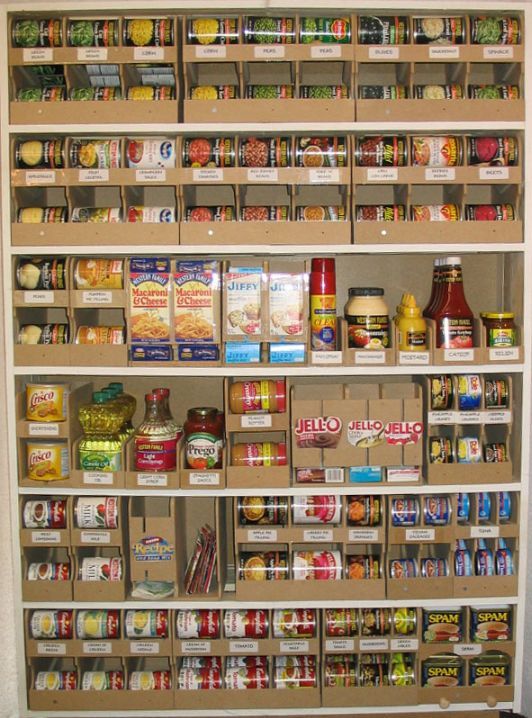
(Continued from Part 4. This part concludes the article series.) Moving on to drinks as a subject, I prepared a similar smaller “cube” container for drinks and soups. More coffee filter packs, zip lock bags of tea taken out of their cardboard retail packaging, hot cocoa, more honey, powdered lemonade tubs, powdered ice tea, Tang for astronauts or space aliens we might meet (just kidding) that I found in the pantry, instant coffee, another jar of coffee mate, a red plastic Folger’s coffee tub of ground coffee, a few boxes of flavored Emergen-C powders that give you 1000mg of Vitamin …


Build the Plan vs. Test the Plan – Part 4, by T.R.

(Continued from Part 3.) Later that morning/early afternoon, we sat down at the kitchen table (having brewed a pot of coffee on the spare camp stove from the basement according to our “A” plan) and talked through this. We needed a balance of water, fuel, gear/shelter, food and safety/security. Optimizing the mix of these five items (plus cash and valuables) and optimizing how to pack them efficiently with some degree of access to the right items in what order took significantly longer than either of us expected when a filter criteria of “not coming back” was inserted vs “we are …


Build the Plan vs. Test the Plan – Part 3, by T.R.

(Continued from Part 2.) Some background: I still work almost full time, but portions of the year are full throttle 60+ hour weeks and other blocks are much lighter, with my husband retired from the military. We wanted a vacation in terms of scenery and wildlife and we wanted to test our plans across a number of elements. To appropriately field test our plans with a degree of stress testing that would replicate a certain amount of tension present in real threat condition whilst isolating certain elements one at a time to calibrate parts of our plan in a systematic …


Build the Plan vs. Test the Plan – Part 2, by T.R.

(Continued From Part 1.) During 2018, I made a dot chart counting how many days fit into each category A, B, C and D in terms of readiness and then converted the “dots” into a percentage of time for the year. As a corollary, if things are leaning environmentally towards TEOTWAWKI, then we would already be limiting our “D” types of trips away from home and/or starting to pursue our exit via our “B” plan scenario. If things look particularly grim but quasi-temporary, then we would limit our “C” scenarios to avoid leaving home for long blocks of time and …