
On March 19, 1649, the House of Commons of England passed an act abolishing the House of Lords, declaring it “useless and dangerous to the people of England”. Perhaps it’s time Americans did the same with our Senate–or better yet return our Senate to its proper role–representing the individual States rather than electing Senators by popular vote. – JWR
- Ad Civil Defense ManualClick Here --> The Civil Defense Manual... The A to Z of survival. Looks what's in it... https://civildefensemanual.com/whats-in-the-civil-defense-manual/
- Ad USA Berkey Water Filters - Start Drinking Purified Water Today!#1 Trusted Gravity Water Purification System! Start Drinking Purified Water now with a Berkey water filtration system. Find systems, replacement filters, parts and more here.
Household Basics in TEOTWAWKI- Part 7, by Sarah Latimer
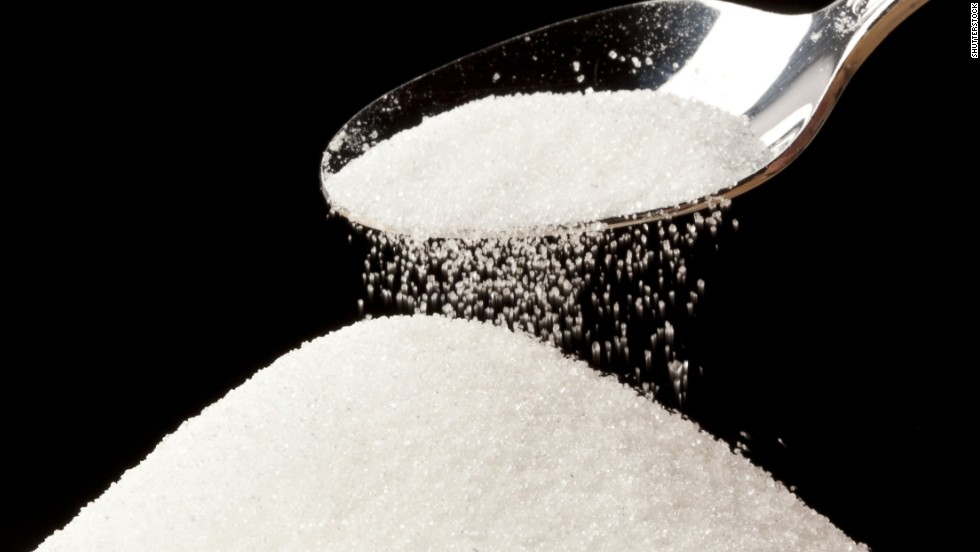
I’m continuing my journey to consider some of the pantry basics (beyond meat, eggs, dairy, grains, fruits, and vegetables) that I will want to have available in the event of TEOTWAWKI. While I am working on a couple of major projects that are proving more difficult than expected, I will write on something this week that is ever so sweet and appealing. We’ve covered other pantry essentials, including baking soda, yeast, vinegar, salt and pepper (and other spices and herbs), and coffee to determine how we will provide them for our families in a TEOTWAWKI scenario. Some of these we will have to have stock piled, barter for, or find alternatives for until they are manufactured again, but others we can make or produce for ourselves. This week’s subject is sugar.
Sugar
In a TEOTWAWKI scenario, when the electric grid goes down, fuel is not available for mass transportation, and ships are only sailing rather than running by engine, we will not be the beneficiaries of the massive amounts of sweeteners that are imported to or transported within our nation and across our continent to reach our local markets. The United States, almost exclusively the states of Florida, Louisiana, Hawaii, and Texas, produces about 8.5 metric tons of sugar cane, which is less than 5% of the world’s production and significantly less than the nearly 11 metric tons of sugar cane consumed in the U.S. annually. Furthermore, if you’ll notice, only three state producing sugar cane are in the contiguous United States. It’s true that Mexico also produces sugar cane, but once again we have transportation issues to overcome in obtaining it, unless we happen to live in or very near Louisiana, Florida, or a small area of south Texas and have a source who is transporting it.
Additionally, even for those areas producing it, there is the matter of processing sugar cane. I assumed that sugar processing factories relied solely on electricity or natural gas to provide energy for their massive boilers and processing equipment, but I was pleasantly surprised to go to an informative website that describes how sugar is made and processed and to read that many factories burn the pulp of the sugar cane as fuel for their factories, thus being fairly self-sufficient for power and using renewable energy. Of course, the website emphasizes the renewable energy and environmental benefits, but you and I recognize the benefit this offers at TEOTWAWKI. Our only issue will be in obtaining it, and that is a significant issue for which we need to look at alternatives, since our stocked sugar won’t last indefinitely.
We use sugar for baking, canning, making syrups and jams, and also for making treats that comfort us. I’m sure we’d be healthier if we overcame our addictions to it. I have a few friends who have done this, but I haven’t yet been motivated in this direction. We just limit the extra sweets, yet still enjoy them. In a TEOTWAWKI situation, I believe that sweets will have greater meaning when we are living in the stress of TEOTWAWKI, as these special treats will remind us of kinder times and reward our efforts as well as provide some much needed calories for the extra labor we will certainly face.
I am happy to report that there are quite a few sweet alternatives available to us, depending upon where we live, for producing sweeteners that we can use for baking and making treats.
Honey
Honey is an obvious sweetener that many of us already have and use regularly. It is available to most people in North America. It stores indefinitely, and bees can be raised most everywhere. My parents even raised bees deep inside a medium-sized city and my in-laws managed more than 100 hives in the country at one time. SurvivalBlog has some outstanding articles on raising bees! Go back and look through the archives and know that you, too, can have access to wholesome homegrown honey. Honey is wonderful in baked goods and can be used in canning, syrups, and treat-making, too. It requires some investment and time in getting things set up, but after you’ve learned the process it isn’t too difficult. On top of obtaining honey, you get bees wax and honeycomb, too! These are nice added bonuses that can be used for candles, healthcare products, and more!
In using honey for recipes, you just have to reduce the amount of honey used as compared to the sugar called for in the recipe by about 23%. (That’s about 3/4 cup plus 1 tsp of honey for every cup of sugar called for in your recipe.) I use honey regularly in my challah bread, which we enjoyed this very week, and in other baked goodies.
Maple Syrup
For those who live among maple trees, this is an obvious option. Tap into the tree, drain the sap, and boil it down. Again, look back at SurvivalBlog’s articles for details from those who have great experience in managing their maple trees, syrup production, and processing. Maple syrup can be canned but once opened requires refrigeration, so it has a limited life span; however, the trees are renewing the syrup each year. Maple syrup can certainly be used for baking, canning, syrups, and treat-making. When used for baking, use 2/3 cup of syrup and reduce other liquids by 3 Tbsp for every cup of sugar called for in the recipe.
Sugar Beets
On our family farm we briefly grew sugar beets when I was a child. I was not a beet fan at that time. To say I was not excited about growing hundreds of acres of beets was an understatement; however, I was pleasantly surprised with how good these beets tasted, even raw. They are packed with sweetness. Again, the website on sugar shares about sugar beet processing too. Of course, this website tells about major factory-size production processes that are not what we’d do in our homestead kitchens. In our kitchens, we should scrub these beets thoroughly to remove dirt and then slice the beets thin, like potato chips, to expose the maximum surface. A mandolin slicer would be useful. Boil/simmer the beet slices in water (using almost enough water to cover them but not quite), cover the pan with a lid, and cook until the beets are very tender, about one hour. Then, remove the beets to a press or if you don’t have a press to a cheesecloth-lined colander in which you press to expel the sweet liquid and capture it into a bowl. Return the expressed sugar water to the water in which the beets were boiled and continue simmering this sweet water (with the lid off) to reduce this sugar-water until it become thick, like a syrup or honey. (Feed the cooked turnip mush in some feed to your livestock and they’ll think it’s a treat.) Once your syrup has cooked down and become thick, pour the hot syrup into sterilized jars and cover. It may crystallize over several months, or you can just use the syrup in your cooking. Beet crystal sugar is equal in sweetness to cane sugar and can be used identically in recipes. I prefer cane sugar when it is available because I have difficulty caramelizing beet sugar in some recipes, but that is a rare use for sugar, so generally there is no difference. In the vast majority of recipes, I can use beet sugar just as easily as cane sugar. Many bags of sugar at the store are produced from beet sugar, unless they specifically state cane sugar.
One of the best things to remember about sugar beets is that they can be grown in the northern states, where sugar cane cannot. They only need about about 65 days from planting until harvest and can be started just four weeks after the last frost.
Stevia
For several years, I have grown stevia plants and enjoyed the sweet flavor of these leaves. With our cold winters, of course, this plant is one that has been grown in pots indoors or as an annual outside. Still, it has provided a nice small amount of sweetness to beverages or even just as a morale booster as I picked a leaf and popped it onto my tongue while doing yard work. The leaves themselves cannot be directly crushed and used for directly for baking or canning. The sweetness is contained in the oils in the leaves. Once that sweetness dissipates on your tongue or in the liquid in which they’ve been placed, the leaves are bitter, so chewing them or grinding them is not desirable. However, a stevia tincture can be made at home. I’ve made many tinctures and infusions with fresh and dried herbs. It’s pretty simple really. With your homegrown stevia, just cut the fresh stevia leaves off the stem (as the stem is not as sweet as the leaves and can be more bitter), and place the leaves in a clean jar along with enough consumable alcohol (not isopropyl, rubbing alcohol) to just cover the loose leaves; I usually use vodka alcohol, because it has no flavor and has a good preserving alcohol content. Put a lid on your jar. (You may know how much I love Mason jars! This is just another use for them.) Then, shake your jar to stir the vodka around the leaves well. Do this shaking several times a day for two days. Then, strain the alcohol and leaves through a fine mesh colander and catch the sweet alcohol in a sauce pan. Put the sauce pan over low heat (not medium or high heat, as boiling this liquid will ruin it). Let it gently heat for 25-30 minutes to concentrate it and reduce some of the alcohol content. It will turn golden, and there may be some bits of stevia that become apparent. After heating, strain the liquid through a coffee filter and use a funnel to put it into a dropper or extract bottle. This tincture can be used in recipes with 1- 1 1/2 tsp of the tincture extract replacing 1 cup of sugar.
For sweetening sun tea, it is easy to just add a few stevia leaves into the jar and have a sweet tea in a few hours.
Fruit Juice Concentrate
Crushing fruit to produce juice and then cooking it down to a concentrate has long been used as a means for sweetening in canning, jelly making, and even baking. I often substitute apple sauce and apple juice concentrate for oil and some of the sugar in recipes. If you read the ingredients list of many canned fruits and juices, you will see pear juice listed high in the list because it has a great sweetening capability without adding a strong flavor, especially when cooked down to a syrup. Our household is not big fans of cooked pears by themselves, mainly because they have little flavor other than “sweet”, so when the pear trees produce we make pear juice concentrate and can in order to have this sweetener available to us. It works great!
If you have an apple press, you can use it to produce juice that is then cooked down on low heat for several hours to increase the sugar content in the concentrated liquid. If you don’t have a press, then you can add a small amount of water to cut or chopped apples or pears and steam them over medium heat. After they have softened, strain the contents of the pan (pressing them, too) through a colander. Return the juice and water to a pan and boil down further to concentrate the juice and remove the water. The sweetness of the fruit juice concentrate depends upon the sweetness of the original fruit and how much it is cooked down, so there is no substitution measurement for it in recipes calling for sugar. You will have to experiment on your own with your individual juice concentrate, by taste. However, this is a great option for us as well, if we have fruit trees. I hope you do!
Sorghum
Like sugar cane, sorghum cane is a hefty plant that must be cut, crushed, and its juice cooked and processed before it is useful. More than a year ago I came across a 2013 article of Mother Earth News called “Sweet Sorghum Revival: How to Grow Your Own Natural Sweetener” and became fascinated with the idea of growing sorghum and making sorghum syrup. I’d never thought about this option before.
Making sorghum syrup or molasses, as it is sometimes called, is quite a process, but it can be done in the homestead. In fact, there are many families who grow and process their own sorghum using a variety of crushers and methods. Just take a look at youtube and you’ll find quite a few options for home-built sorghum crushers. Some are humorous, but others are impressive. Additionally, there are some elaborate and expensive pieces of factory-produced equipment for this production process as well, for those who are serious about making sorghum syrup in large quantity.
I’ve recently heard about a man living in our area who drives all the way to Kentucky every year to buy gallons of sorghum syrup, as he uses it exclusively as his sweetener because he prefers it over honey and sugar. When using sorghum syrup in baking, substitute 1 1/3 cup of sorghum syrup for each cup of sugar called for and reduce other liquid by 1/3 cup.
Well, hopefully I’ve given you a taste of some sweet ideas for sugar substitutes that will get you started in looking at what will work for you at your homestead in a TEOTWAWKI situation and still keep your sweet tooth satisfied. God is so good to give us many natural sources of sweetness! Explore some of these before TEOTWAWKI!
I wish you well, until we meet again on SurvivalBlog!
- Ad USA Berkey Water Filters - Start Drinking Purified Water Today!#1 Trusted Gravity Water Purification System! Start Drinking Purified Water now with a Berkey water filtration system. Find systems, replacement filters, parts and more here.
- Ad California Legal Rifles & Pistols!WBT makes all popular rifles compliant for your restrictive state. Choose from a wide range of top brands made compliant for your state.

Letter Re: Coffee
Mrs. Latimer,
Thank you for your contributions to our survival knowledge. In regard to roasting your own coffee, we have been doing this for years and I thought I might share … Firstly we buy our beans green by the 150 pound (plus) burlap bags from Royal Coffee Co. and have it shipped to us. We have kept our beans in 5 gallon buckets in a cool place and have never had a problem with spoilage. Like you, we have gone through multiple evolutions of roasting techniques from cast iron pan to electric hot air popcorn popper, which I will add needs to be preferably a 1500 watt popper. The smoke from roasting is quite acrid and I have read (though can not verify) is carcinogenic so any thing that one does use to roast the beans in must be dedicated to that sole purpose and obviously should be done in a well ventilated area! (Read that as “outside”!) Now bearing in mind that a hundred-fifty pounds of coffee is a lot of coffee; one might choose to find others to share the purchase with, but we drink one pot of coffee a day. We always eventually have to buy more! Hope this helps. Yours in Faith and Liberty, From the Redoubt, – DB.
HJL’s Comment: While Royal Coffee does have some pretty good prices on their coffees, SurvivalBlog reader G.T. alerted us to this statement on their website. I cannot, in good conscience, recommend doing business with a company that is so blatantly supporting policies that are destroying the very foundation of America.
- Ad Ready Made Resources, Trijicon Hunter Mk2$2000 off MSRP, Brand New in the case
- Ad Don't wait - get the ultimate US-made ultra-high performance US-made SIEGE Stoves and stunning hand-crafted SIEGE belts for Christmas. For stocking-stuffers see our amazing fire-starters. Gifts that can save lives. Big Sale!Every bespoke SIEGE buckle goes through an hours-long artisanal process resulting in a belt unlike anything else, with blazing fast performance and looks and comfort to match.

Economics and Investing:
Philadelphia Soda Tax Forces Local University To Hike Student Costs By $400,000 – Reader H.L.
HJL’s Comment: Typical of liberal progressives, Philadelphia can’t face the fact that their actions have consequences. More collectivism at work.
o o o
These US States Entered A Recession In 2016 – Notice that the economies of nearly all of the states presently in recession depend heavily on oil production. Oil makes the world go round, or at least lubricates it.
o o o
Management doesn’t escape the axe: Remington Laysoff Senior Directors And Management – Link sent in by DSV
o o o
Wall Street Bullish On Oil Prices Despite Saudi Warnings. The majority of investment banks appear to be unfazed by the recent fall in oil prices, claiming that the outlook for oil over the year is no less bullish.
o o o
How Central Bankers See Themselves Excerpt: “One of the consequences of living in an unfree world is the aggravating subjection to condescending Official Narratives. It’s not just that our Monetary Saviors get to make money supply and interest rates decisions on our behalf, it’s also that we are being saved from our own over exuberant actions.”
o o o
SurvivalBlog and its editors are not paid investment counselors or advisers. Please see our Provisos page for details.
- Ad Trekker Water Station 1Gal Per MinuteCall us if you have Questions 800-627-3809
- Ad LifeSaver 20K JerryCan Water PurifierThe best water jerrycan you can buy on the market! Mention Survivalblog for a Free Filter ($130 Value)
Odds ‘n Sods:
A 50 State Guide – Is night vision legal to use for hunting in my State?
JWR’s Comment: Be sure to check the current Fish &Game regulations in your own state. Laws do change frequently!
o o o
U.S. Air Force Buying Special Drone-Snagging Shotgun Shells – G.G.
HJL’s Comment: I’m not too thrilled about their choice of a name for the product (Skynet), but it is an intriguing concept. I’m also curious as to how the laws against shooting drones will be applied to this product.
o o o
In a continuation of disturbing trends, a man was arrested for tweeting a seizure-inducing GIF to a reporter with epilepsy. I’m not sure which is more disturbing– the weaponization of Twitter or being arrested for a free speech issue.
o o o
US State Dept. warns college students against spring break travel to Mexico – D.B.
o o o
As the dust settles on the Dakota Pipline protest, we are starting to find out just how peaceful the protestors were: Officers’ spouses terrorized by threats of murder, rape during Dakota Access pipeline protest – Link sent in by B.B.
- Ad Survival RealtyFind your secure and sustainable home. The leading marketplace for rural, remote, and off-grid properties worldwide. Affordable ads. No commissions are charged!
- Ad Click Here --> Civil Defense ManualNOW BACK IN STOCK How to protect, you, your family, friends and neighborhood in coming times of civil unrest… and much more!
Hugh’s Quote of the Day:
“But when ye sin so against the brethren, and wound their weak conscience, ye sin against Christ.” – 1 Corinthians 8:12 (KJV)
- Ad STRATEGIC RELOCATION REALTYFOR SALE: Self-sustaining Rural Property situated meticulously in serene locales distant from densely populated sanctuary cities. Remember…HISTORY Favors the PREPARED!
- Add Your Link Here
Notes for Saturday – March 18, 2017
March 18th is the birthday of novelist John Updike. (He was born in 1932 and died in 2009.)
It is also the birthday of Luc Besson, director and producer of films such as La Femme Nikita and The Fifth Element.
o o o
Today, we present another entry for Round 69 of the SurvivalBlog non-fiction writing contest. The nearly $15,000 worth of prizes for this round include:
First Prize:
- A $3000 gift certificate towards a Sol-Ark Solar Generator from Veteran owned Portable Solar LLC. The only EMP Hardened Solar Generator System available to the public.
- A Gunsite Academy Three Day Course Certificate that is good for any one, two, or three day course (a $1,195 value),
- A course certificate from onPoint Tactical for the prize winner’s choice of three-day civilian courses, excluding those restricted for military or government teams. Three day onPoint courses normally cost $795,
- DRD Tactical is providing a 5.56 NATO QD Billet upper with a hammer forged, chrome-lined barrel and a hard case to go with your own AR lower. It will allow any standard AR-type rifle to have a quick change barrel, which can be assembled in less than one minute without the use of any tools and a compact carry capability in a hard case or 3-day pack (an $1,100 value),
- An infrared sensor/imaging camouflage shelter from Snakebite Tactical in Eureka, Montana (A $350+ value),
- Gun Mag Warehouse is providing 20 Magpul PMAG 30-rd Magazines (a value of $300) and a Gun Mag Warehouse T-Shirt; (an equivalent prize will be awarded for residents in states with magazine restrictions),
- Two cases of Mountain House freeze-dried assorted entrees in #10 cans, courtesy of Ready Made Resources (a $350 value),
- A $250 gift certificate good for any product from Sunflower Ammo,
- Two cases of Meals, Ready to Eat (MREs), courtesy of CampingSurvival.com (a $180 value).
Second Prize:
- A Tactical Self-Contained 2-Series Solar Power Generator system from Always Empowered. This compact starter power system is packaged in a wheeled O.D. green EMP-shielded Pelican hard case (a $2,400 value),
- A Glock form factor SIRT laser training pistol and a SIRT AR-15/M4 Laser Training Bolt, courtesy of Next Level Training, which have a combined retail value of $589,
- A gift certificate for any two or three-day class from Max Velocity Tactical (a $600 value),
- A transferable certificate for a two-day Ultimate Bug Out Course from Florida Firearms Training (a $400 value),
- A Trekker IV™ Four-Person Emergency Kit from Emergency Essentials (a $250 value),
- A $200 gift certificate good towards any books published by PrepperPress.com,
- A pre-selected assortment of military surplus gear from CJL Enterprize (a $300 value),
- A selection of canned meats containing a 10 pack of 28oz cans of Premium Beef and a 5 pack of 28oz cans of Premium Pork from Wertz’s Farm Market (a $300 value),
- RepackBox is providing a $300 gift certificate to their site, and
- American Gunsmithing Institute (AGI) is providing a $300 certificate good towards any of their DVD training courses.
Third Prize:
- A Model 175 Series Solar Generator provided by Quantum Harvest LLC (a $439 value),
- A Royal Berkey water filter, courtesy of Directive 21 (a $275 value),
- A custom made Sage Grouse model utility/field knife from custom knife-maker Jon Kelly Designs, of Eureka, Montana,
- A large handmade clothes drying rack, a washboard, and a Homesteading for Beginners DVD, all courtesy of The Homestead Store, with a combined value of $206,
- Expanded sets of both washable feminine pads and liners, donated by Naturally Cozy (a $185 retail value),
- Two Super Survival Pack seed collections, a $150 value, courtesy of Seed for Security, LLC,
- Mayflower Trading is donating a $200 gift certificate for homesteading appliances,
- Montie Gear is donating a Y-Shot Slingshot and a $125 Montie gear Gift certificate.,
- Two 1,000-foot spools of full mil-spec U.S.-made 750 paracord (in-stock colors only) from www.TOUGHGRID.com (a $240 value), and
- Fifteen LifeStraws from SafeCastle (a $300 value).
- A $250 gift certificate to Tober’s Traditions, makers of all natural (organic if possible) personal care products, such as soap, tooth powder, deodorant, sunscreen, lotion, and more.
Round 69 ends on March 31st, so get busy writing and e-mail us your entry. Remember that there is a 1,500-word minimum, and that articles on practical “how to” skills for survival have an advantage in the judging.

Surviving Custer, by R.S.
Let’s be honest, how many of you ever expect to find yourself in a survival situation? You’ve probably day dreamed about it, wondering how you’d fare. The fact is, we don’t walk out the door in the morning expecting to find ourselves in a predicament.
I certainly never expected to find myself in such a “survival” situation on a summer day in South Dakota’s Custer State Park. Yet, there I was facing such a situation just last summer. We had finally taken our long-awaited family vacation “out West”. We live in the suburbs outside a large Midwestern city. So the lure of loading up the RV and heading west on an adventure had been alive and well with us for some time. As any good tourist would, we planned the route that would take us through the Badlands and eventually to Mt. Rushmore. What could be more American, right?
Having grown up in Boy Scouts, being prepared is practically part of my DNA. In the last few years, I’ve ramped things up a bit and have been more diligent about keeping a go-bag in my car along with a variety of other things that would be useful in a pinch. I’ve done the same for the RV, since we occasionally find ourselves in some remote places. On this particular trip we chose to tow my car behind the RV so we would have it at our disposal for day trips.
One of those day trips took us just down the road from Mt. Rushmore to Custer State Park. If you’ve never been, the Black Hills of South Dakota are stunning, and Custer State Park is in the middle of it all. There is a beautiful lake there called Sylvan Lake, which might be most well-known for its appearance in the movie National Treasure: Book of Secrets. If you recall the scene where they are at Mt. Rushmore and they seemingly go behind the monument to look for the entrance to the cave while pouring water on the rocks, that’s actually filmed at Sylvan Lake.
In reality, the lake is some 14 miles from the monument and doubles as the trailhead for Harney Peak, which is the tallest mountain in North America east of the Rockies. It was that peak that we had come to conquer!
There were two families in our group. The guys decided to hike the Harney Peak trail, while the girls hiked around the lake. We initially thought the trail was 3.5 miles round trip. Only later did we realize that it was 3.5 miles to the top. Considering we were only planning to be out for a couple of hours, I only took a small Camelback backpack with me. I packed some trail food, a pocket knife, and the water in the bag, and we set off.
We had a great, if tiring, hike up. The views from the top were beautiful. Shortly into our descent my oldest son badly twisted his ankle, further aggravating a previous injury. He had difficulty putting any weight on it, which meant I had to assist him all the way down. As you can imagine, this slowed our descent significantly.
Learning Lesson
As prepared as you think you are, you never have everything you need. I had packed a small first aid kit, but not my larger kit that included an ACE bandage.
Prior to setting out on our hikes, we coordinated with the girls and set a time and place to meet after our hikes. One thing we quickly realized once we got into the hills around Mt. Rushmore was that cellular reception was essentially non-existent. In Custer State Park it was totally non-existent. Calling to update the girls on our status was not an option.
Seeing as we were moving so slowly, we knew we would not make the pre-determined rendezvous time. We decided to have my younger son and his cousin jog the trail to the bottom to inform the others that we were going to be late. It took us quite some time to finish the descent to meet the rest of the group. By the time we met up with them, half the group, including my younger son, had taken the second car and gone to dinner. The plan was for us to meet them at the restaurant.
My wife stayed behind to wait for us. She let us know what the plan was, and we headed to the car to meet up for dinner. As we approached the car, I asked my wife if she had gotten the car keys out of my bag, which my younger son had carried down the trail. This is where it all went wrong! He had taken the bag with him, not knowing that my keys were in it!
I realize this is a bit of a long story. However, it’s important to see how a relatively innocuous hike in a reasonably unthreatening environment can turn into a survival situation, even when nothing dramatic happens. It really can happen to anyone at any time.
So there we are at almost 6pm in the evening with the shadows starting to lengthen. We didn’t have any car keys, the parking lot only had a few cars remaining, and my son had a busted ankle.
On the other side of the lake was a lodge that serviced the park. We made our way to the lodge just before it closed at 6pm. At this time we were assuming that the people who were expecting us for dinner would begin to wonder where we were and that eventually they would come back for us. Seeing as our cell phones didn’t work, we used the landline to call our friends. No dice. Their phones still didn’t get any reception. The lodge was closing, so we headed back to the car. By the time we got back, the parking lot had cleared out, and there was no one else in sight.
At this point, you’re probably asking yourself why we didn’t ask any number of people for help. That’s a good question. As it was happening we didn’t really think that we were in a pickle. Even now, I’m not sure what we would have asked for. Placing a call wouldn’t have done us any good. Asking for a ride would have been problematic, as our friends could have left the restaurant and we don’t know how willing our ride would have been to drive us all over South Dakota.
We resolved to wait it out. What we didn’t know was that our friends were doing the same thing. They were thinking that if they left the restaurant then we wouldn’t know how to find them! It was classic, right?
When we got back to the car, I started thinking about how I was going to go about getting into my car should we be stuck for the night. I had a couple of blankets, my larger go-bag with many more supplies in it, not to mention the protection of the car itself, if we had to spend the night. I wasn’t yet desperate enough to bust out the window, so we decided to start a fire in one of the fixed camp grills nearby.
If you’ve ever watch Bear Grylls on TV and heard him talk about the psychological boost you get from starting a fire in a survival situation, he is 100% right. I wasn’t freaking out at all. In fact, I was kind of looking forward to roughing it for the night. Worst case, people would come in the morning. No one was going to die. However, we were looking at a cold night with no food, which my wife was not nearly as excited about.
I kept thinking about the car. I carry that go-bag with me everywhere, and the one time I needed it it was locked up tight in my car. I always lock my car. Most of the time the only reason I lock it is because that bag is in there with a bunch of stuff in it that, when summed up, cost me quite a bit of money.
Then I realized that I wasn’t the last one in my car. My wife had driven it and she has a bad habit of leaving it unlocked, trusting in the goodness of humanity. So I asked, “Honey, do you remember if you locked the car?” She wasn’t sure. I check the door handle. She hadn’t. For once in my life, I was thrilled that she hadn’t locked it.
At that point, our prospects improved dramatically. Sleeping in the car, while uncomfortable, would protect us from the elements. We had access to more food and the case of water I keep in the car. Also, if that failed I keep a LifeStraw in my go-bag. We now had a tarp, blankets, flashlights, solar charger, and much more.
So much of modern day prepping is centered on supplies. Don’t get me wrong; I love gear as much as the next guy (clearly), but the best gear in the world won’t do you a bit of good if you don’t know how to use it.
That Ferro rod isn’t going to do you any good if you haven’t had to go through the process of finding a tinder that will take the spark and then have enough dry wood to get your fire going. The emergency blanket will only keep one person at a time warm, unless you know to use it as a reflective shield to redirect the heat from your fire into your enclosed area.
Don’t fall into the trap of buying the next cool thing without taking the time to understand the basics of using the last cool thing. You have to practice. Use your LifeStraw before you have to.
Most importantly, think ahead and be prepared. You might expect cell service to be bad. You might expect to have a miscommunication with others in your group. You might expect someone to get injured. You might expect to misread the trail sign and have it take twice as long as expected. However, you never really anticipate all of those things happening.
As I now know, they do happen, sometimes all at once. Fortunately, I was ready. I didn’t do everything right. I didn’t have everything I needed. I did, however, have most of it and enough to get me through when I needed it.
Our friends were freaking out. My younger son and daughter were both wondering who they were going to go live with, since [they thought that] their parents were dead. They never considered that we were stuck without keys. They left the restaurant and had been driving every conceivable route from the restaurant to the park thinking that we had plunged to our death down the side of the mountain. The last place they thought to look was right where they left us!
Needless to say, we survived and learned some valuable lessons. I added a few things to my go-bag, and we always communicate now regarding who has the keys. Next time, I’ll call the restaurant from the land line. At the end, I am heartened to know that in the only survival situation I’ve faced in a long time I kept cool and made it through, even when everything seemed to go wrong.
I do believe a time is coming when our survival skills will be put to the test in a much more significant way. I’ll keep planning and practicing, and I hope you will, too.
Letter Re: Coffee
Sarah,
I have tried grinding my own coffee and do prefer it. However, buying only a few pounds at a time I found that the beans cost more than buying the ground coffee! That goes for the green coffee beans too. It reminded me of the old Heathkit radios that everyone said you paid for the privilege of putting together. Perhaps they would be cheaper if bought in volumes of 100 or 500 pounds, but I can not afford such a purchase on my own and there is no one in my family, friends or acquaintances who are willing to even try coffee beans; they are happy with their store bought coffee. I finally had to give up, after the price of under 10 lb quantity kept increasing, and I went back to store ground coffee. So, in a TEOTWAWKI situation I guess I will have to live without coffee! – Jim
HJL’s Comment: I usually buy 20lbs of green coffee beans at prices ranging from $3 to $7 per pound. While there are numerous places to make such purchases, I have always used Sweet Maria’s and have been very satisfied with the transaction. I typically drink a total of 32oz brewed coffee and use about a tablespoon of roasted beans per 16oz cup. I do use the infusion method or steeping method, as drip coffee machines do not achieve the temperatures required for optimal flavor extraction and are horribly inefficient and hard to clean. My favorite method is the Clever Coffee Dripper, though I have used tea bags when on the go. This morning I had fresh roast from coffee beans that I put up in 2013, and it was good. I also find that using these preparation and storage methods, the coffee costs me about $0.10 per 16 oz cup and 20lbs of coffee will last nearly a year. I’ll never go back to grocery store coffee.
Economics and Investing:
Wall Street Bullish On Oil Prices Despite Saudi Warnings
JWR’s Comment: This might be a good time to top off your stored gas, diesel, and home heating oil tanks!
o o o
Physical precious metals demand is down, in part because of complacency caused by Donald Trump’s election. Another factor is the anticipation of interest rate hikes by the Federal Reserve banking cartel. (This has direct correlation to the futures and spot markets.) My advice: Hold for the long term and continue to buy on the dips. Do not be complacent! The Fed could pull the rug out from under the economy anytime they choose to do so. Maintain a hedge position in precious metals, primarily silver. And remember that your core holding is intended as a long term “hold” for barter, rather than as an in-and-out market timing investment. – JWR
o o o
Venezuela has a bread shortage. The government has decided bakers are the problem.
JWR’s Comment: The socialist government of Venezuela is now so incredibly self-destructive to their nation’s economy that the situation can now only be described as a Death Spiral. It is one of those situations where “Things are going to have to get a lot worse before they get better.” This is because a collapse will probably be a prerequisite to a change of government. Despots do not leave their posts voluntarily.
o o o
Video Commentary: Two Bubbles Ahead. “The beginning and end of bull markets are the easiest setups to make big money very quickly. The stock market is entering the bubble phase that will conclude its bull market. The bubble phase in the gold market will not begin until gold breaks out above the $1900 level.”
o o o
Steve Eisman: Smart, Lucky, Abrasive & Now One Of Them Excerpt: “There were over 8,000 banks in the US and it was only 10 or 20 who almost destroyed the world. They should have paid the price for their criminality and recklessness. Their executives should have gone to jail. Not one did.”
o o o
A harbinger of things to come? American Patriot Bank Merges With Apex To Avoid FDIC Ownership – According to one stockholder, stock in American Patriot Bank lost all value with the merger. – Link sent in by reader G.G.
o o o
SurvivalBlog and its editors are not paid investment counselors or advisers. Please see our Provisos page for details.
Odds ‘n Sods:
Sangerville, Maine: Bunker-style home built by survivalists the perfect fit for sustainable duo
JWR’s Comment: Folks in the Food Sustainability movement have a lot to learn from Survivalists, and vice versa!
o o o
The IRS Scandal, Day 1408: Why Won’t The Media Cover It? – The IRS admitted to singling out and targeting conservative groups in 2013, motivated by political animus, yet the media was, is and continues to be disinterested in the whole process. Given the IRS’s broad ranging powers, this is the perfect vehicle to “control” behaviors.
o o o
Wondering why your friends and neighbors think you are crazy for prepping? Dave hodges gives an excellent short video (8 min) reasoning this out: The Psychological Reason Why Americans Will Not Fight Back Against the Globalists – Link sent in by reader H.L.
o o o
Teacher quits after primary school students threaten to behead her. Where do you suppose these children learn behavior such as this? Are these really the people we want to bring into this country? What we have here is a failure to assimilate. – D.S.
o o o
Two embarrassing failures by the Secret Service:
White House jumper was captured after more than 15 minutes – Links sent in by reader P.M.
Hugh’s Quote of the Day:
“And the Lord said unto Moses, Hew thee two tables of stone like unto the first: and I will write upon these tables the words that were in the first tables, which thou brakest.” – Exodus 34:1 (KJV)
Notes for Friday – March 17, 2017
March 17th is the birthday of novelist Pearl S. Buck, best known for her novel The Good Earth. (Born 1887, died 1973.)
This is also the birthday of Józef Franczak (born 1917, died 21 October 1963), who was a Polish Army Corporal who fought in the World War II resistance against the invading Germans. He then carried on after the war, to fight against the occupying Soviets and their Polish communist stooges. Eventually, he was one of the last of the Cursed Soldiers resistance in Poland. His nom de guerre was Lalek.
o o o
Today, we present an entry for Round 69 of the SurvivalBlog non-fiction writing contest dealing with making your own thermal cooker. The nearly $15,000 worth of prizes for this round include:
First Prize:
- A $3000 gift certificate towards a Sol-Ark Solar Generator from Veteran owned Portable Solar LLC. The only EMP Hardened Solar Generator System available to the public.
- A Gunsite Academy Three Day Course Certificate that is good for any one, two, or three day course (a $1,195 value),
- A course certificate from onPoint Tactical for the prize winner’s choice of three-day civilian courses, excluding those restricted for military or government teams. Three day onPoint courses normally cost $795,
- DRD Tactical is providing a 5.56 NATO QD Billet upper with a hammer forged, chrome-lined barrel and a hard case to go with your own AR lower. It will allow any standard AR-type rifle to have a quick change barrel, which can be assembled in less than one minute without the use of any tools and a compact carry capability in a hard case or 3-day pack (an $1,100 value),
- An infrared sensor/imaging camouflage shelter from Snakebite Tactical in Eureka, Montana (A $350+ value),
- Gun Mag Warehouse is providing 20 Magpul PMAG 30-rd Magazines (a value of $300) and a Gun Mag Warehouse T-Shirt; (an equivalent prize will be awarded for residents in states with magazine restrictions),
- Two cases of Mountain House freeze-dried assorted entrees in #10 cans, courtesy of Ready Made Resources (a $350 value),
- A $250 gift certificate good for any product from Sunflower Ammo,
- Two cases of Meals, Ready to Eat (MREs), courtesy of CampingSurvival.com (a $180 value).
Second Prize:
- A Tactical Self-Contained 2-Series Solar Power Generator system from Always Empowered. This compact starter power system is packaged in a wheeled O.D. green EMP-shielded Pelican hard case (a $2,400 value),
- A Glock form factor SIRT laser training pistol and a SIRT AR-15/M4 Laser Training Bolt, courtesy of Next Level Training, which have a combined retail value of $589,
- A gift certificate for any two or three-day class from Max Velocity Tactical (a $600 value),
- A transferable certificate for a two-day Ultimate Bug Out Course from Florida Firearms Training (a $400 value),
- A Trekker IV™ Four-Person Emergency Kit from Emergency Essentials (a $250 value),
- A $200 gift certificate good towards any books published by PrepperPress.com,
- A pre-selected assortment of military surplus gear from CJL Enterprize (a $300 value),
- A selection of canned meats containing a 10 pack of 28oz cans of Premium Beef and a 5 pack of 28oz cans of Premium Pork from Wertz’s Farm Market (a $300 value),
- RepackBox is providing a $300 gift certificate to their site, and
- American Gunsmithing Institute (AGI) is providing a $300 certificate good towards any of their DVD training courses.
Third Prize:
- A Model 175 Series Solar Generator provided by Quantum Harvest LLC (a $439 value),
- A Royal Berkey water filter, courtesy of Directive 21 (a $275 value),
- A custom made Sage Grouse model utility/field knife from custom knife-maker Jon Kelly Designs, of Eureka, Montana,
- A large handmade clothes drying rack, a washboard, and a Homesteading for Beginners DVD, all courtesy of The Homestead Store, with a combined value of $206,
- Expanded sets of both washable feminine pads and liners, donated by Naturally Cozy (a $185 retail value),
- Two Super Survival Pack seed collections, a $150 value, courtesy of Seed for Security, LLC,
- Mayflower Trading is donating a $200 gift certificate for homesteading appliances,
- Montie Gear is donating a Y-Shot Slingshot and a $125 Montie gear Gift certificate.,
- Two 1,000-foot spools of full mil-spec U.S.-made 750 paracord (in-stock colors only) from www.TOUGHGRID.com (a $240 value), and
- Fifteen LifeStraws from SafeCastle (a $300 value).
- A $250 gift certificate to Tober’s Traditions, makers of all natural (organic if possible) personal care products, such as soap, tooth powder, deodorant, sunscreen, lotion, and more.
Round 69 ends on March 31st, so get busy writing and e-mail us your entry. Remember that there is a 1,500-word minimum, and that articles on practical “how to” skills for survival have an advantage in the judging.
A Homemade Thermos Cooker, by M.P.
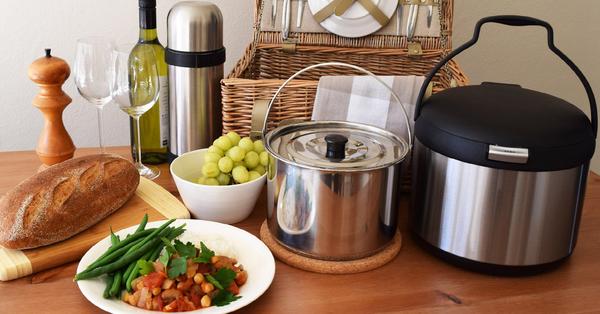
A thermos cooker is an energy saving cooking device. Earlier versions were a vacuum thermos that you placed uncooked food and boiling water into and then sealed it up, and in a few hours you had cooked food. Later versions have a pot that you put your ingredients into and place on your stove; you then bring the contents to a boil and place the pot into an insulated outer pot to hold the heat in and cook the food. Thermos cookers do not speed up cooking times; they only save energy, and in fact cooking times can be significantly longer than other methods. To cook food in the shortest amount of time, use a pressure cooker. Any serious prepper should already have and use a pressure cooker. The theory behind the thermos cooker is to limit the amount of heat that escapes from the cooker and hold that heat inside for a long period of time, therefore cooking the food inside with very little energy expended. Depending on the amount of food and liquid that is inside, a thermos cooker can also keep food warm for a very long time. Thermos cookers can be purchased at many online stores, such as Amazon. I liked the concept of the original thermos cookers but was disappointed with the size limitation, since it could only cook small to medium quantities. Current versions of the thermos cookers are available in sizes up to eight quarts or so, but they are quite expensive. I did some thinking and came up with an alternative that suits my needs very well and cost considerably less. I created my own thermos cooker using an 8-quart pressure cooker, three cardboard boxes that nest together, some foil-lined bubble wrap, and some contact cement. Two cardboard boxes would probably be sufficient, but according to my IR thermometer, with three boxes, the outside temperature is only a few degrees above room temperature. The pressure cooker that I have is an 8-quart Presto model 01370, which has small handles on opposite sides at the top. This style works much better than smaller pressure cookers that have one long handle coming off the side of the pot due to the large amount of space below the handle that has to be heated, thus wasting heat. Pressure cookers can be purchased at most stores that carry cookware and many online stores, such as Amazon. The pressure cooker that I use measures 10 inches in diameter not counting the handles, 15 inches in diameter with the handles, and is 9 inches tall with the lid locked.
Making Your Thermos Cooker
The inner box measures 12 inches wide, 15 inches long, 10 inches tall, and 20 inches diagonally. The pressure cooker fits in diagonally with a little room to spare. The middle box measures 12.75 inches wide, 18 inches long, and 11.75 inches tall. The outer box measures 17 inches wide, 20.5 inches long and 15 inches tall.
Boxes can be scrounged from stores or bought at one-stop stores, such as Wal-Mart, big box hardware stores, as well as moving and storage facilities. Foil lined bubble wrap can be found at any big box hardware store in the insulation isle. Spray contact cement can be found at any big box hardware store in the adhesive isle.
Inner Box
First, I cut the top flaps off of the inner box. I then cut one piece of bubble wrap to fit in the bottom of the inner box and I glued it in with contact cement. Next, I cut one piece of bubble wrap for each of the inside walls of the inner box and glued them in. Next, I cut bubble wrap for each of the outside walls and the bottom of the inner box and glued them on. The inner box now fit loosely inside the middle box. I centered the inner box inside the middle box and filled the gaps with bubble wrap; these don’t need to be glued. Finally, I cut a piece of scrap cardboard to the size of the opening of the inner box and cut and glued one piece of bubble wrap to it. This is used as a lid to seal up the inner box, once the cooker is inside.
Middle Box
First, I cut the top flaps off of the middle box. I then cut and glued bubble wrap on the outside sides and bottom of the middle box, just like the outside of the inner box. The middle box now fit inside the outer box with some room to spare. I centered the middle box inside the outer box and filled the gaps with bubble wrap. (These don’t need to be glued.) Next, I cut a piece of scrap cardboard to the size of the opening of the middle box and cut and glued two pieces of bubble wrap to it. This is used as a lid to seal up the middle box once the cooker is inside.
Outer Box
First, I cut the top flaps off of the outer box. Next I cut a piece of scrap cardboard to the size of the opening of the outer box and cut and glued two pieces of bubble wrap to it. This is used as a lid to seal up the outer box once the cooker is inside.
Thermos Cooker Operation
You will find some sample recipes at the end of this article. Place the food to be cooked along with any spices and cooking liquid into the pressure cooker and lock the lid in place. Bring the pressure cooker up to high pressure under medium-high heat. As soon and the cooker is up to high pressure, cover the steam vent with a hot pad or small kitchen towel to prevent steam burns. Place the pressure cooker into the inner box, carefully remove the hot pad from the vent, and put all of the lids in place. Start the cook timer.
There are two notes to pay attention to:
- Depending on the amount of ingredients and the cooking time, the pressure cooker may be very hot even after setting for many hours. Once the time has elapsed, open the boxes and using hot pads remove the cooker. If the pressure cooker still has pressure, release the pressure using the method called for in the recipe.
- If the volume of food and liquid is increased, the additional thermal mass will require that the cooking time be shortened or the food will be overcooked. If the volume of food and liquid is decreased, the reduced thermal mass will require the cooking time be lengthened or the food will be undercooked. Reducing the thermal mass significantly will at some point, cause there to not be enough heat stored to cook the food.
The thermos cooker works best using either electric or gas stoves because of the constant heat provided. Wood stoves can be used, but cooking times will vary due to temperature variations, which will lengthen the time to get to high pressure, which in turn will probably shorten the cooking time.
Recipes
These recipes are based on an elevation of 4,000 feet. The cooking times of the recipes may need to be adjusted slightly based on your elevation and the desired doneness of the food. Higher elevations require longer cooking times because the boiling point of water decreases 1.8 degrees F for every 1000 feet increase in elevation above sea level.
White Rice
Total time about 45 minutes – Makes about 6 cups
Note: white rice cooks so fast that a thermos cooker is not required.
Ingredients:
- 3 cups long grain white rice
- 3 1/2 cups cold water
- 2 1/4 tsp salt or other seasonings
Instructions:
- Place rice, water, and seasonings into the pressure cooker; bring up to pressure under medium-high heat.
- Remove from heat and place on a trivet or hot pad.
- Cook 30 minutes. When the time is up, if there is any pressure left, drop the pressure using the quick release method. Crack the lid and let stand for a few minutes.
Brown Rice
Total time: 1:30 – Makes about 6 cups
Ingredients:
- 3 cups long grain brown rice or rice blend
- 5 1/2 cups cold water
- 2 1/4 tsp salt or other seasonings
Instructions:
- Place rice, water, and seasonings into the pressure cooker.
- Bring up to pressure under medium-high heat; place a cloth over the relief valve and immediately place into the insulated box.
- Close up the box; cook 1:15.
- Remove from the insulated box; if there is any pressure left, drop the pressure using the quick release method.
- Immediately remove the pressure cooker lid. Leave the lid cracked if not serving immediately.
Beans
Total time: 1 hour – Makes about 10 cups
Ingredients:
- 4 cups dry beans, soaked 8-24 hours
- Water
Instructions:
- Place beans into the pressure cooker; add enough water to cover the top of the beans by 1”.
- Bring up to pressure under medium high heat; place a cloth over the relief valve and immediately place into the insulated box.
- Close up the box; cook 18 minutes.
- Remove from the insulated box. Let the pressure drop naturally. Drain any excess liquid if desired.
Chicken Stock
Total time: about 2 hours – Makes 3-4 quarts
This recipe can be used without the vegetables and seasonings to cook a chicken for shredding.
Ingredients:
- 1 whole chicken rinsed, giblets discarded, excess fat removed
- 2 carrots, cut in large chunks
- 3 celery stalks, cut in large chunks
- 1 large onion, quartered
- 1 head of garlic, halved horizontally
- 1 turnip, quartered
- 1/4 bunch fresh thyme or 1 tsp dried thyme
- 2 bay leaves
- 1 teaspoon whole black peppercorns
- Water
Instructions:
- Place all ingredients in the pressure cooker; Add enough cold water to just come to the top of the chicken and vegetables. (Too much will make the broth taste weak.)
- Bring up to pressure under high heat; Place a cloth over the relief valve and immediately place into the insulated box.
- Close up the box; cook for 1:30.
- Remove from the insulated box; let the pressure drop naturally.
- Carefully remove the chicken to a cutting board.
- When it’s cool enough to handle, discard the skin and bones and shred the meat.
- Carefully strain the stock through a fine sieve into another pot to remove the vegetables.
Pork Roast For Shredding
Total time: about 2:25.
Ingredients:
- 3 pounds of pork loin, pork roast, or pork sirloin, cut into 2 to 3-inch chunks
- 2 cups cold water
- salt, pepper or any other desired spices
Instructions:
- Put the trivet or basket in the bottom of the pressure cooker.
- Add the pork, water, and spices; put the lid on the pressure cooker and bring up to pressure under medium-high heat.
- Reduce heat and cook for 20 minutes, maintaining high pressure. Place a cloth over the relief valve and immediately place into the insulated box. Close up the box; cook for 2 hours.
- Remove from the insulated box, letting the pressure drop naturally.
- Remove pork to a cutting board and allow it to cool until it is cool enough to handle. Shred the pork while warm.

Letter Re: 80% Lower Router Problems
Hugh,
I wanted to add something here. You should not have to keep retightening a router bit after each cut.
Having been a woodworker for 25+ years and having used routers to mill aluminum, here are a few safety tips:
- When inserting bit in collet make sure bit is not bottomed out all the way. Insert bit until it bottoms out and then slightly raise it up about 1/32 or 1/16″.
The easy way to do this is to snug collet enough so you can insert bit into collet, and that bit will stay put when you take your hand off, then bottom bit out. Then while pulling outward, slightly twist bit about 1/8 of a turn to relieve bit from touching bottom, then tighten collet.
- I have noticed that if a bit is bottomed out, it can work loose even when routing wood. By relieving slightly so bit is not touching, I have never had one come loose.
Hope this helps readers stay safe. – William in NC