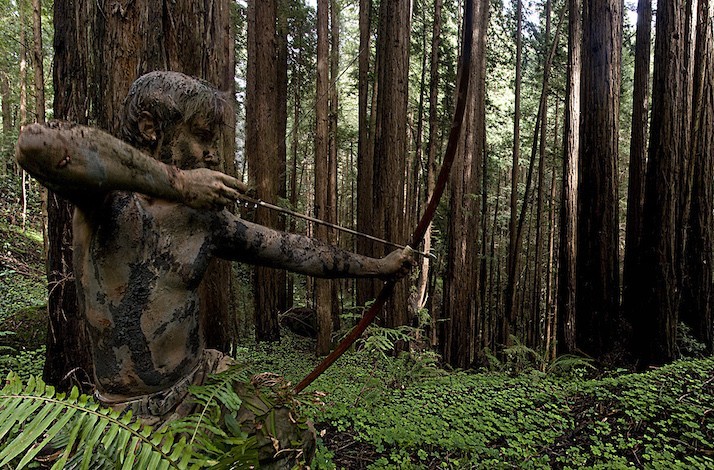
Hunting for survival is a topic on my mind. I ran into an old coworker and his wife while volunteering at the local food bank the day before Thanksgiving. While exchanging pleasantries, his wife mentioned that she had heard we lived on a farm well outside the city. It’s not really a working farm, I explained, but more like a hobby farm on a lot of acreage.
Our Acres Down the Road in the Country
My wife and I have plans to use most of our 15 acres down the road, but with two small children we have neither the time nor the money to realize most of them currently. Still, we have our big garden, our wood heat, and our chickens. We’re not completely off the grid, but we’re as far out into the country as we can get while still maintaining employment and family obligations. We love the clean air, the privacy, and living closer to nature. We regularly see all kinds of wildlife you would never see in the city or the ‘burbs.
Continue reading“Thoughts on Hunting for Survival, by Ohio Country Man”