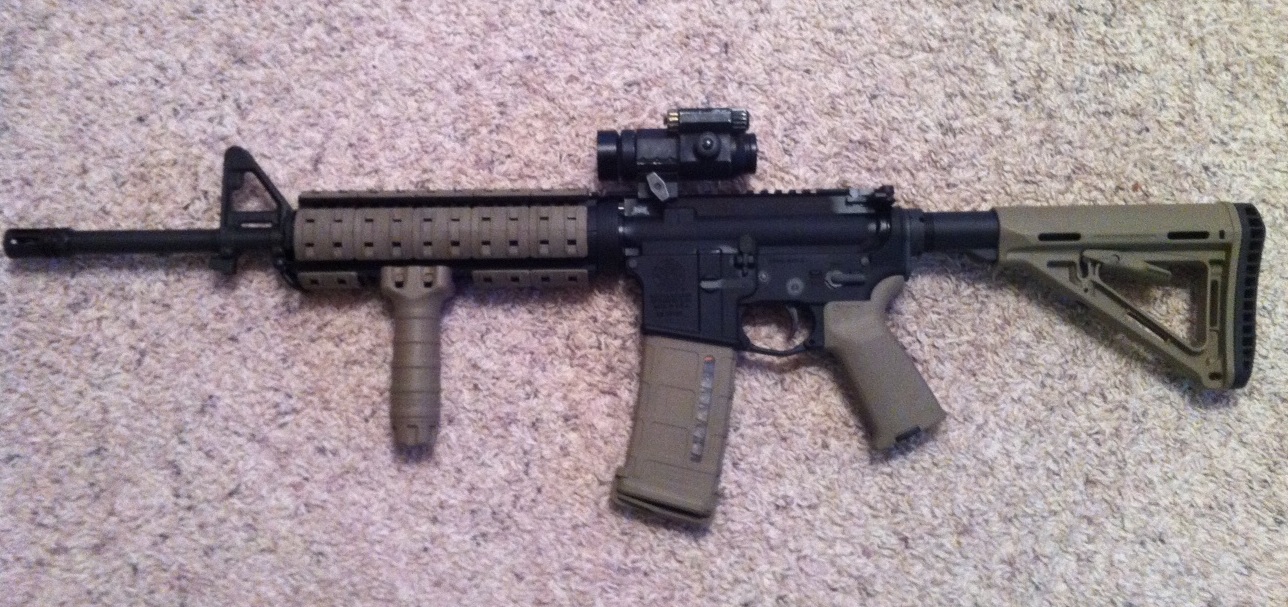
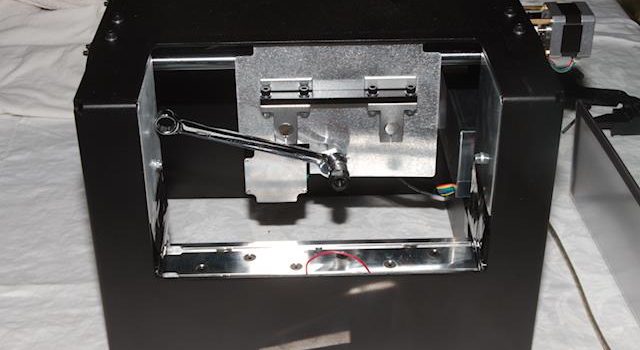
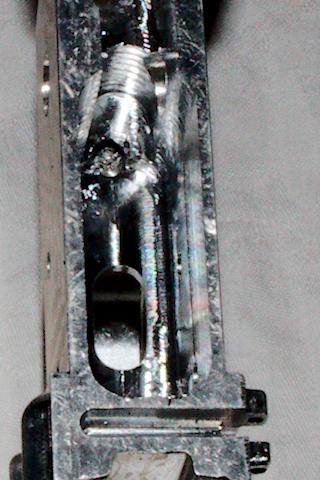
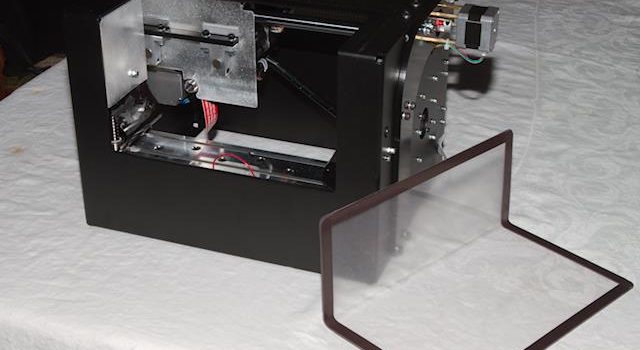
Last year, SurvivalBlog decided to find out exactly what all the hubbub was about, and we bought a Ghost Gunner along with a number of AR-15 80% lowers. We wanted to know just how easy the unit was to use. We also wanted to make a determination as to whether the unit was worth the money or if it was just an exercise in declaring your inherent right. What we found was interesting to say the least.
Delivery, Packaging, and Setup
The first impression of a product is dependent upon the time it takes to receive it and the condition in which it arrives. Packaging is a key part of this. Then, there is the ease in which it is assembled for use and instructions that are easy to follow to aid in this endeavor.
Delivery
The box that came was sturdy enough to handle the USPS delivery without any issues. It arrived within the expected amount of time with the box in good condition.
Packaging
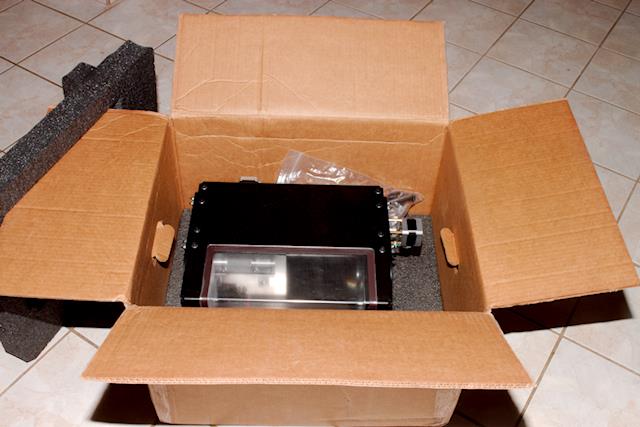
The package was heavy, with the Ghost Gunner weighing in at a hefty 50+ pounds. However, the cardboard was obviously designed to handle its weighty contents.
I’m one of those people who saves the packaging/packing materials for most small- to medium-sized things. While storing empty boxes does require some storage space, when it comes time to resell the item, original packaging can go a long way towards getting a premium price. If you have the original box something came in, people know that you tend to take care of things. One of my gripes is when a company skimps on packaging. In their short term thinking, some believe that the goal is to just get the product to you and then their obligation ends. A company that produces cheap packaging on a product that is likely to pass through many hands of ownership is shortsighted.
A Carefully Designed Box
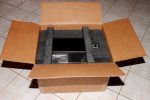 Once the box is opened, you can see the care that they put in the design. The packing is obviously designed to be reused. About the only way they could really improve it would be to move to a wooden crate or wooden framed box. However, I don’t think that is necessary in this case. If the product pushed north of 75 pounds, I might expect that, but the current packaging fits the product quite well. The foam is the same closed cell foam you find in upper-end cases like Pelican.
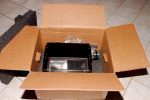 You’re going to want to find a place to keep this box in good condition. Depending on your needs, you will need it to pass the Ghost Gunner on to the next owner, or you may need it to have it upgraded to the newest improvement, like we did.
Following Directions
There is a written manual, but you really don’t need it. The whole process is about as simple as you can get. I used a 15 foot USB cord so that I could set the Ghost gunner on my dining room table and still reach my main computer. However, you could also use a laptop sitting right next to the machine. Connect the machine up to your computer, power it on, insert the included USB stick, and run DDcut straight off of the USB stick. No installation is required.
Windows and Linux Computers
My particular setup was a bit more complicated because DDcut is designed to run off of the Windows operating system, though all of my computers in house are run as Linux computers. I could have borrowed my son’s computer, but instead I had a contingency. Every once in a while I run across software I need that requires Windows, so I keep a copy of VirtualBox on my system with Windows 10 loaded on it. I only boot it up on occasion, but some programs don’t like to be run in an emulator. Thankfully, DDcut had no such issues and ran just fine. Once DDcut is started, it tells you exactly what to do, when to do it, and is easy to follow. I do like the fact that it is self contained on the USB stick and no installation of software is required.
Setting the Jig Up
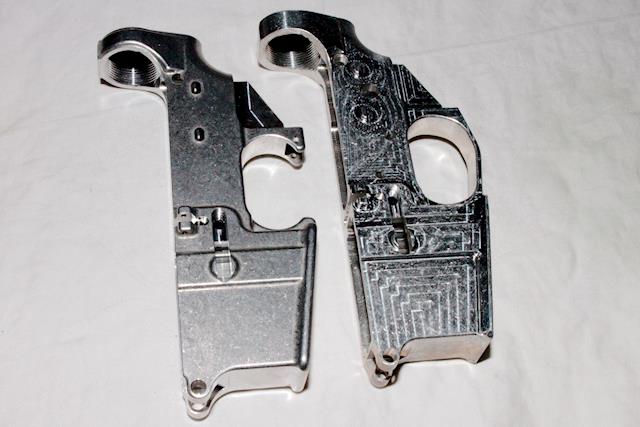
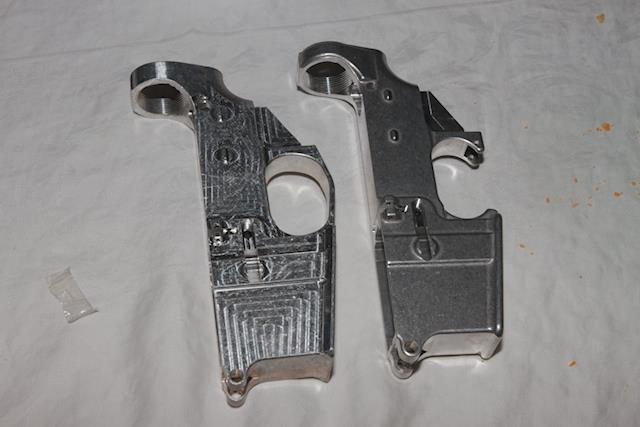
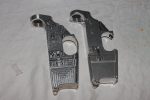 I had two different sets of AR lowers. The first one I ran was the lower, purchased from Defense Distributed. This lower has had more machining operations done on it than the others I’ve had from Tactical Machining. While both lowers provided an excellent finished product, the Tactical Machining lowers required some modifications to the jig in order to work. There were a few places on the lower that had more material on it than did the Defense Distributed (DD) lower. I actually prefer the Tactical Machining lowers because they have a cleaner look with subdued edges right out of the box. There are fewer finishing operations required on these lower to achieve an excellent look, but it’s only cosmetic. Structurally, the lowers are the same, and both are easy to use.
Continue reading“Ghost Gunner Review- Part 1”