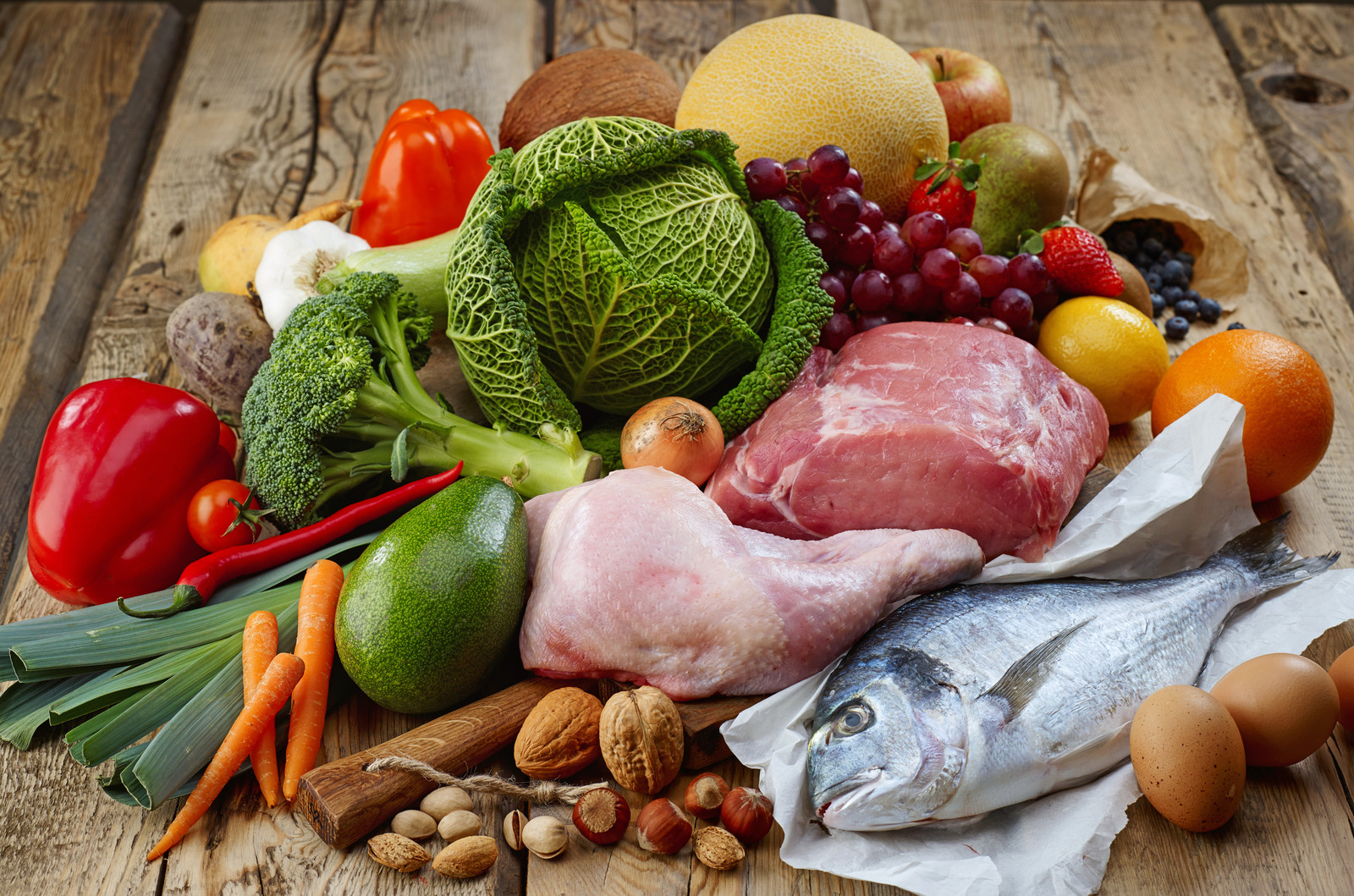
In part 1 of this article, we took a look at the carb-based diet logistics in a post collapse world and outlined some of the health and practical concerns. Additionally, I introduced the Keto diet. The Keto diet focuses on consuming 75-80% or more of your calorie needs from fat sources, 15-20% of you caloric needs from protein, and 5% of your caloric needs from carbohydrates. The human body uses two types of consumable (food) energy. Sugars/carbohydrates turn into glucose and fats, which turn into ketones. Since most individuals have never really been on a Ketogenic diet (except when they were newborn infants breastfeeding, this means most people are not fat adapted (their body forgets how to produce ketones as an energy source for the cells), and would have to go through a transitioning period if their high carbohydrate food sources depleted or became very limited.
We will now look at a dietary change to fit a post collapse world. Doing so in advance of a collapse has its clear advantages.
Transitioning Food Sources
Transitioning out of a high carbohydrate diet typically occurs when a person has started to deplete their glucose stores within their body. Usually this happens when a person’s body goes into starvation mode and the body starts to consume body fat for energy. The process of using fat as energy is called ketosis, and the body produces ketones via the liver. The transition phase from a glucose energy source to a ketone energy source can be extremely uncomfortable and sometimes referred to as the “keto flu”. This phase exhibits flu-like symptoms without actually being infected and typically lasts between seven and ten days. In a post-collapse world, this could result in limited functionality and leave the individual or group extremely vulnerable.
Continue reading“Dietary Change To Fit A Post Collapse World- Part 2, By J.L. Augusta”