Editor’s Introductory Note: This article first appeared at the excellent American Partisan web site, and is re-posted with permission. This the second of two parts. Part 1 was posted on Friday, February 1, 2019.
I recommend American Partisan as “must reading.” Be sure to bookmark it.
—
Part 2: Information vs. Intelligence
In Part 1, we talked about your Area of Operations (AO) and how to figure out what your boundaries are, as well as what your actual capability is within that area. Today we’ll focus on another problem area that gets a lot of misguided attention: information vs. intelligence.
What is Information?
You might see this as a stupid question, but it’s not. Information is data; it’s the facts, photos, knowledge, and other pieces that make up the raw material you use to create intelligence. Information is not intelligence. If you take nothing from this article series, understand that. Information is just that: information. It may or may not be true; it might be old or recent, credible or not. It’s not your job to collect as much information as possible and then make decisions about it, contrary to what you might think. In fact, far too many people do that and then wonder why their decisions turned out poorly. That happens because people do not take the time to correctly analyze, process, and distill their information into actionable intelligence.
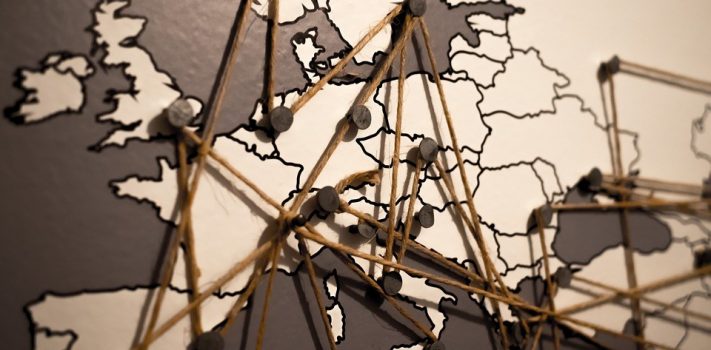
I don’t care how many maps you have on your wall, or “contacts” you have that feed you information (in many cases, gossip and rumors), if you don’t know how to process information into an actionable, exploitable intelligence product, you’re off the mark — and all of your decisions and plans will be, too.
What is Intelligence?
Intelligence is what is created from information. That creation process is structured, it’s quantifiable, it’s logical. There is a cycle and system to it, and while entire books have been written about that process, it basically comes down to five steps (four for the average prepper since you’re probably not creating intelligence reports):
- Planning and Direction
- Collection
- Analysis and Production
- Dissemination
Continue reading“Guest Article: Maps and Pins Won’t Save You, Part 2, by Kit Perez”