What figure looms larger in the prepper imagination that the rugged mountain man? Let’s examine the contents of their packs and saddle bags for our own purposes and to inspire all of us to get back to basics. In the romanticized image, the mountain man is the ultimate minimalist, with nothing but his rifle and tomahawk, but this isn’t entirely correct, as mountain men would have had quite a bit more in their kit, especially at the base camps they operated from. We’ll find that their kits remains relevant today, even with technological advances.
The Mountain Man’s EveryDay Carry
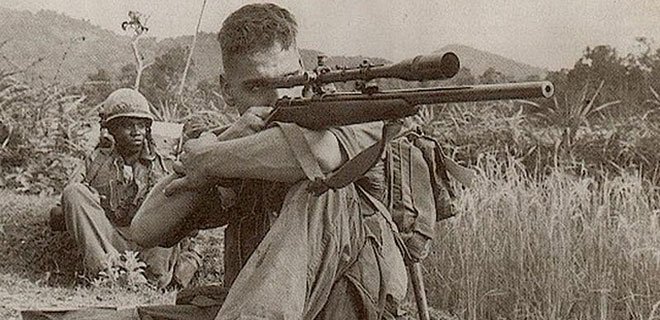
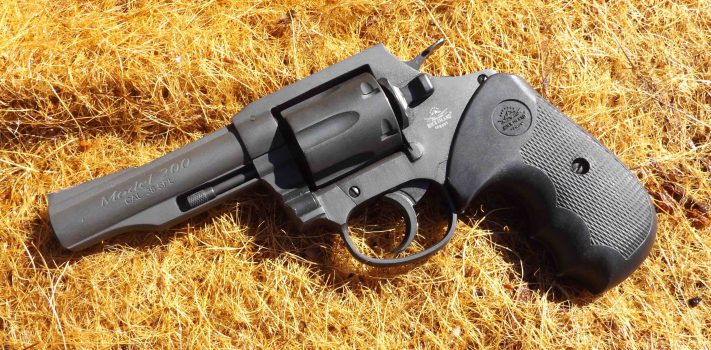
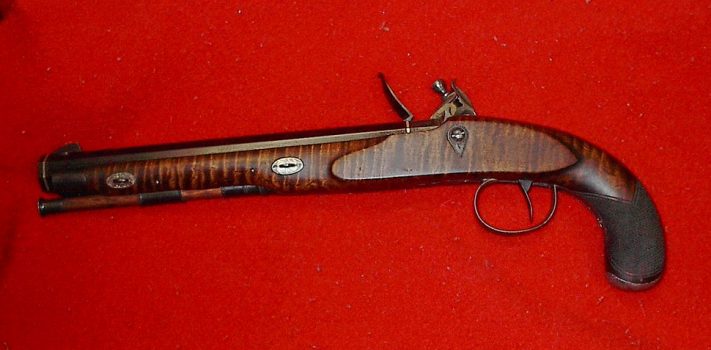
Rifle and pistol – What could be more iconic than the mountain man grasping his Hawken muzzzleloading rifle? Of course the rifle was the mountain man’s most treasured possession, as it fed him, defended him, and earned him money. In addition to his rifle and a pistol, he would have carried lead, a cast for bullets, powder, and other necessities for shooting. Romance aside, this is one part of the mountain man’s kit that isn’t directly relevant to the modern mountain man. While a .30-06 with black plastic furniture will never be as beautiful as a Hawken with walnut furniture and brass hardware, I’d prefer the former for getting meat. Continue reading“Mountain Man EDC, by S.J.”