(The first of the three-part series.)
One of the primary tenets of the preparedness community is that we want to be prepared for any eventuality. We stockpile supplies, develop skills and make changes to our homes and lifestyles to help increase the chances that we can survive any scenario that we might encounter, be it natural or man-made. In regards to displacing in the event of a major SHTF situation, some people plan on taking the ‘forting up’ approach and fortifying their current location, while others favor the ‘bug out’ approach and plan on relocating to a more secure location. Regardless of your preferred approach, at some point during or after an event, you may be required to relocate people and supplies to another location, and if you haven’t planned for it you’re potentially leaving yourself wide open for failure.
Some people will assume that since they live in a well-protected or isolated location they don’t have to worry about displacing during or after a SHTF scenario. The reality is that even if you’re safe initially, there are a lot of things that could occur that could force you to displace later. Wild fires, hurricanes, large armed groups, volcanoes, rising flood waters and other events could force you to displace from your secure location. And as Ben Franklin said: ‘By failing to prepare, you are preparing to fail’. Note: there are some folks who state that they’ll die defending their property and not ever consider leaving for any reason. If that’s your preferred approach then this article probably isn’t for you.
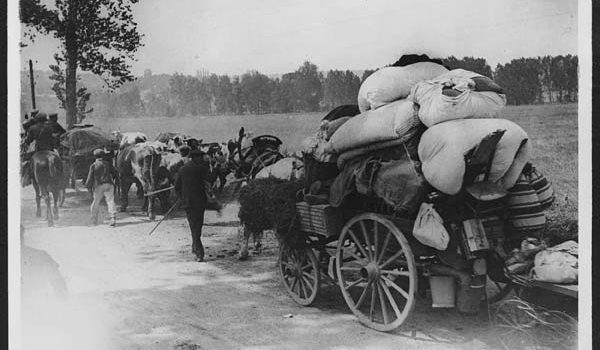
For some real life examples of why displacement planning is critical, consider the images you’ve seen in the media of people preparing to evacuate ahead of an incoming hurricane or, as we’ve seen more recently in the US, a fast-moving wildfire. People are stuffing everything they find into their cars with little time to consider if they’ve packed the most critical items, and in interviews after the event are talking about how they lost important papers, valuable jewelry, family heirlooms, etc. Some simple displacement planning could have greatly improved their situation.