(Continued from Part 1. This concludes the article.)
Pressure points are areas where major arteries are closer to the surface of the skin than normal and utypically over hard/boney areas of the anatomy. Pressure points are areas of the body where arteries come close enough to the surface for pressure points to work. They are common areas where pulses are felt as well. You can practice locating them by feeling for the pulse on friends or family members, using your index and middle fingers together. I will be discussing the easiest points to identify and have labelled their general location with blue dots on the attached picture.
Working down the body, the first pressure point is where the brachial artery transits past the armpit (axilla) and down the arm over the humerus/biceps area. The pressure point is located on the inside of the arm over the area where the bicep muscle and humerus (upper arm bone) meet. The second point is also the brachial artery, but further down the arm. It is typically very visible in healthy, well hydrated individuals at the crease of the elbow, or antecubital area of the arm. This is the area that is commonly accessed for IV access.
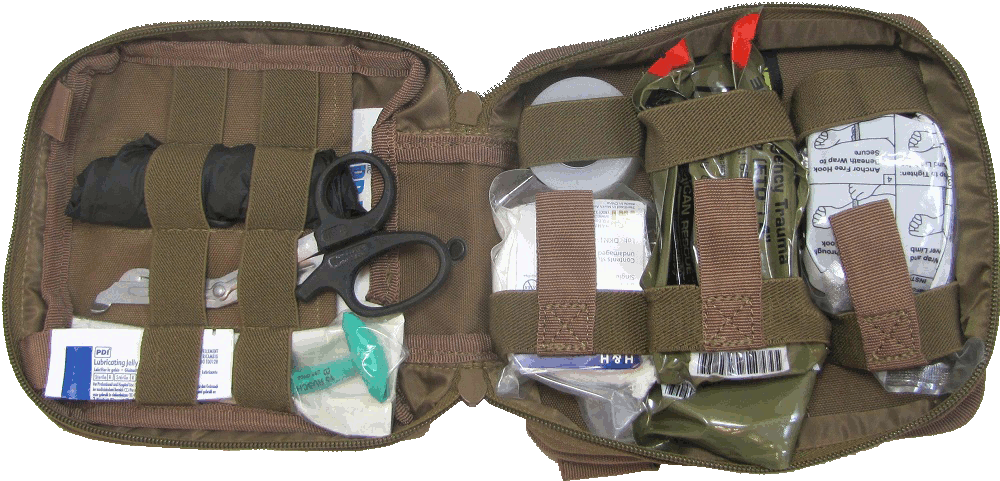
The next point is the Radial artery, probably the most recognizable pressure point. The Radial pressure point is on the underside of the wrist on the thumb side, where the pulse is felt and measured most frequently. The next point down the body is the Femoral artery. The easiest way to identify Femoral Pressure Point is in the area where the leg meets abdomen close to the genitalia. To access the pressure point, you may need to cut away the clothing to expose the area to properly feel for the pressure point. This is where trauma shears would come in handy. When accessing the femoral pressure point, do not be shy. To reach the pressure point you will need to get close to the genitalia. I made sure to tell my sailors and Marines this, and in a life and death situation where there is a legitimate chance of bleeding out, the patient will not care. Continue reading“Some IFAK Facts, Part 2 by MtnDoc in Washington”