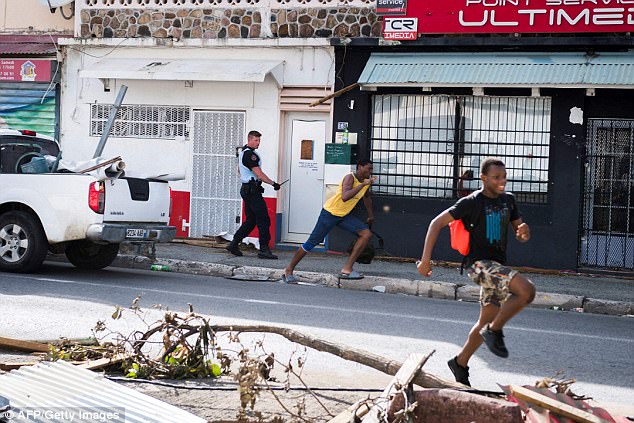
Many behavioral psychologists and sociologists have a saying: The best predictor of future behavior is relevant past behavior. When politicians, particularly those on the Left, refer to “civil unrest,” they are referring to what the man on the street calls a riot. Civil unrest is simply a “politically correct” or a “Liberal-friendly” euphemism for a riot.
Survival web sites also frequently mention the need for preparing for “civil unrest,” particularly in urban areas. While not civil unrest, as such, the identical behavior involved in civil unrest was seen in the streets of New Orleans after Hurricane Katrina, and every American who was of age in 2005 saw it and understood it for what it was, riotous looting that was a clear attempt to steal from others when the chances of being punished for it were minimal. (I am not particularly critical of those who were desperate for milk, bread, etc., and who took food to feed their starving families–if they were, in fact, starving. The televisions, sofas, $150 Nike running shoes, and bottles of Maker’s Mark being carried away were in an entirely different category.)
The reality is that, on any given day, the denizens of many urban neighborhoods, in particular, are kept in check only because of the fear of punishment. As in the case of mobs, in general, anonymity provides a protective cloak to looters. As the likelihood of punishment diminishes, the likelihood of anti-social behavior increases significantly until law enforcement is able to obtain a certain “critical mass” in gaining control of the situation. After that, their offense does not involve a violent major felony, looters understand that as long as there are enough looters, and as long as they keep their looting below a certain threshold, the urban criminal justice system will issue “misdemeanor permits” or what is almost a “get out of jail free” card when court proceedings take place later.
Continue reading“Predictors of Urban Riot Behavior, by E.M.”