Mutually assured destruction. This phrase has long helped prevent direct armed conflict between Russia and the United States. Although many proxy wars have been fought over the past 70 years, since the Soviet Union developed nuclear weapons, both sides have been careful not to start a direct conflict that could escalate toward a nuclear exchange.
During the Cold War, there were many moments that brought us close to nuclear war. During the Cuban Missile Crisis in 1962, the world held their breath as the U.S. faced off with the Soviets over their attempt to place nuclear weapons in Cuba. Many other events taht brought us close to war were less known, publicly. They were kept classified until 25 years later. One such event was in 1979, when a training tape was accidentally loaded to NORAD computers, leading to the military believing that a launch had occurred. Another event in 1983 involved a Soviet satellite error that misidentified five missile launches from the U.S. Many other accidents have occurred, some which have been made public, and others which have been kept secret.
When the Cold War ended in the early 1990s, the world abreathed a collective sigh of relief. The only remaining fear was that a former Soviet state might lose control of nuclear weapons that still remained in their new countries. But the past few years have reawakened fears of nuclear exchanges with Russia or other nations.
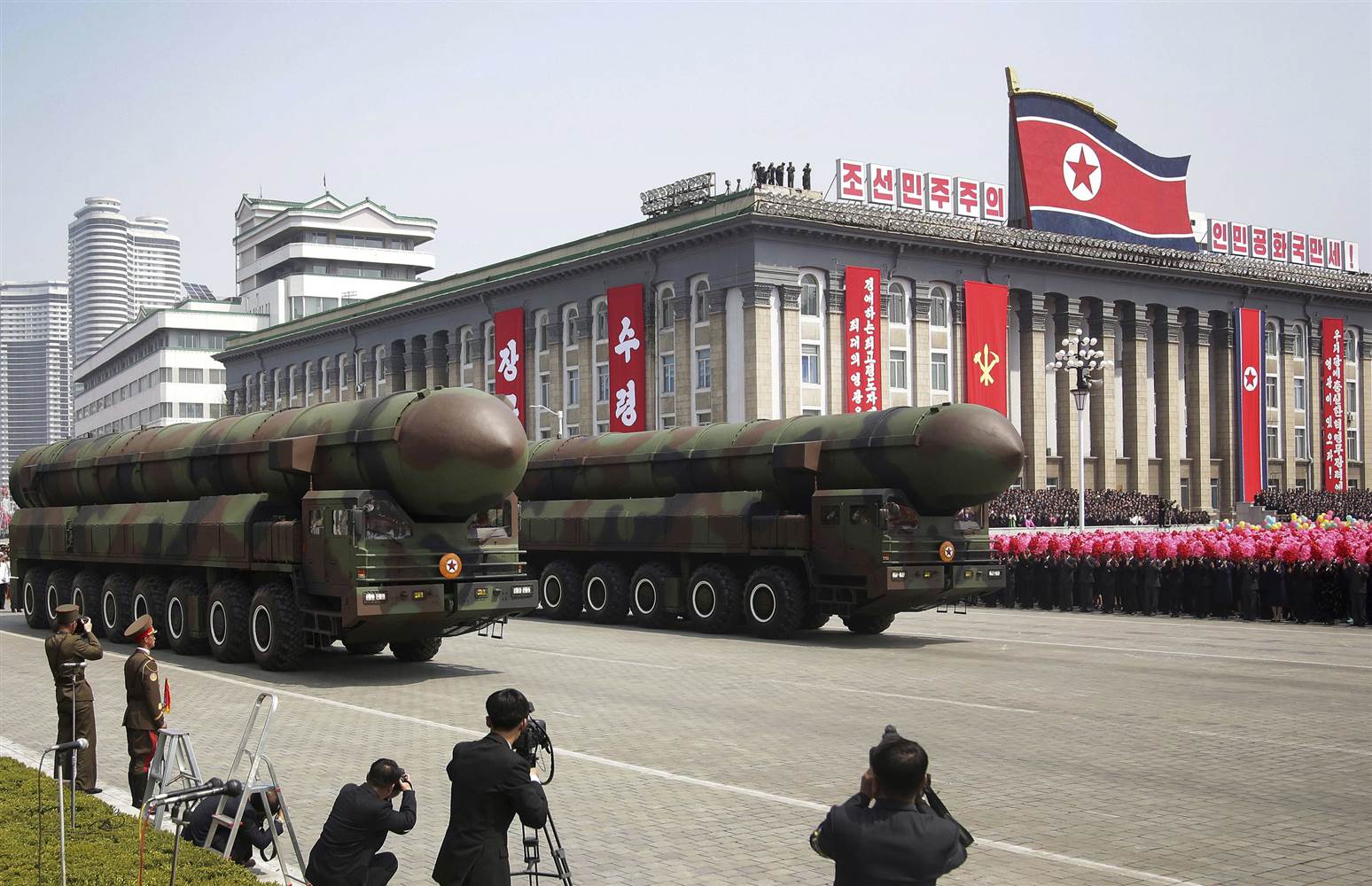
Soon after the U.S. developed nuclear fission bomb weapons, the Soviet Union also developed similar weapons. [JWR Adds: Their technological leapfrogging was based on Manhattan Project technical data provided by American spies Julius and Ethel Rosenberg.] The United Kingdom, France, and China all soon had weapons of their own. The United Nations helped promote the Treaty on the Non-Proliferation of Nuclear Weapons (NPT) between 1965 and 1968. However, after the signing of the NPT, Pakistan, India, and, most recently, North Korea developed their own nuclear weapons. Israel has maintained a status of deliberate ambiguity as to whether or not they have nuclear weapons. Despite the NPT, Iran has also had a program, but has not yet produced nuclear weapons. Other fears remain as to whether rogue actors, such as terrorists or other nations, might acquire weapons and use them.Continue reading“The Current Nuclear Threat – Part 1, by John M.”