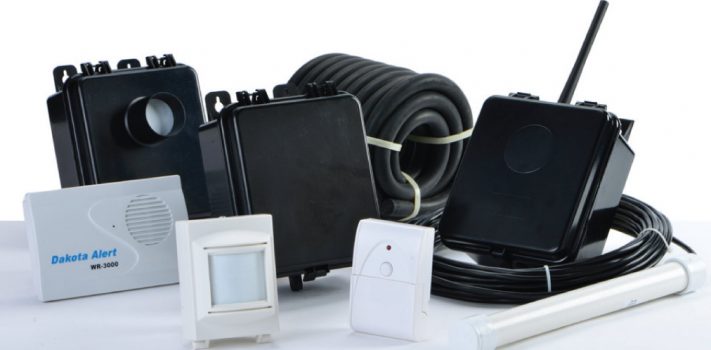
Editor’s Introductory Note: This essay describes one approach to optimizing the performance, extending the range, and securing the signal of MURS band Dakota Alert intrusion detection sensors–and other low power transmitters.
—
To begin, here’s some ground thruth on perimeter security: Security will be Job One. Everything else supports that objective. Manpower for most tasks will be greatly lacking. Every trick, hack, or tactic should be considered. If we don’t see’em, hear’em or smell’em coming, then it is over before it starts. You lose.
Organizing with your community is the best defense for those without their own manpower. Defend at a distance, not at the mail box. Don’t let them into the area in the first place. Thus, potential intruders will be reduced to a few potentially lawless neighbors.
One of the best plug-and-play force multipliers–often recommended by JWR–is the MURS band Dakota Alert system. We all should know about those by now. If not, then please see a video on it.
Although only a 1/2-watt transmitter with a limited range, external antennas can greatly improve the distance at which Dakota Alert sensors can be deployed. I make my own antennas, but I cannot beat the least expensive and most effective external antenna on the market.Continue reading“Optimizing MURS Dakota Alert Sensors – Part 1, by Tunnel Rabbit”



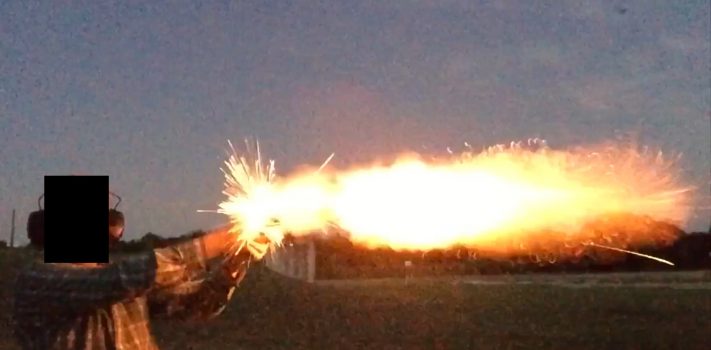
 I poured the powder in each chamber and immediately seated a ball. I used a short starter to do the initial seating. A surprising amount of force was needed. I suspect the range lead I melted down included hard-cast commercial lead bullets. Once the widest part of the ball was past the chamber mouth, I pushed the ball in until it was flush, using a short dowel. The balls have to be flush in order to put the cylinder back in the gun. Again, I load only five of the six chambers.