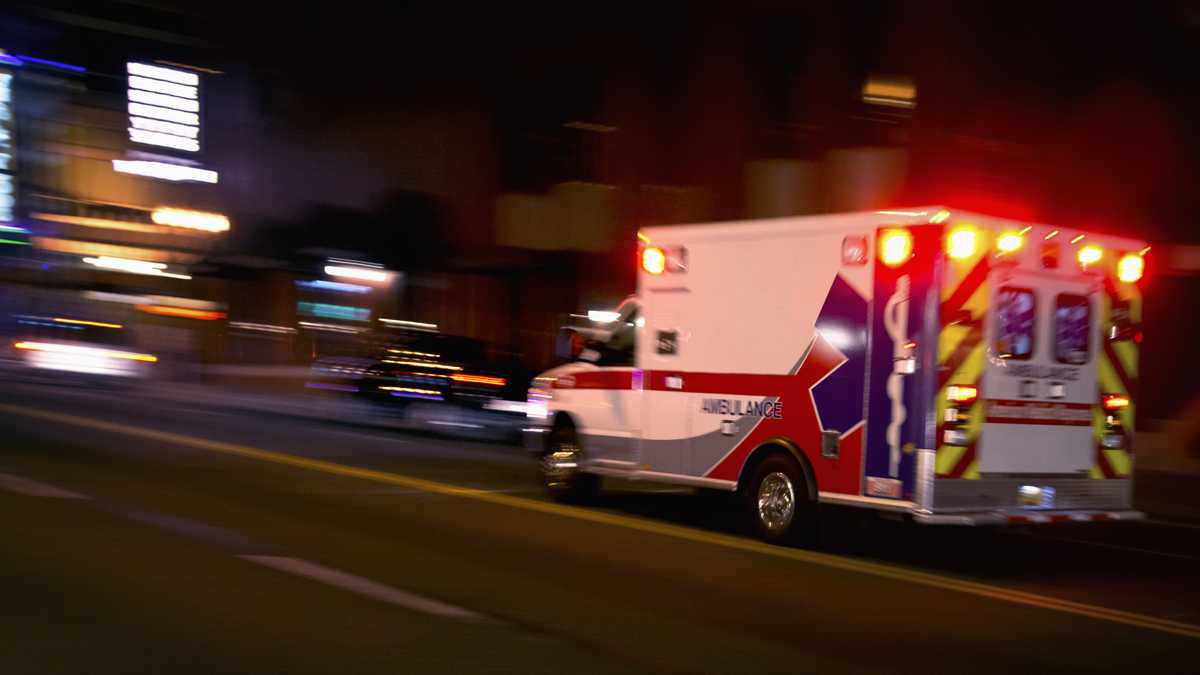
Urban evacuation is often treated as a logistics problem or a public safety exercise. But for those of us who’ve worked on the street, through blackouts, fires, multi-casualty incidents, and gridlock, the truth is more grim. Collapse in a city doesn’t start when the power goes out. It starts when the system stops answering.
I’ve worked as a New York City EMT/paramedic across the boroughs of Bronx, Queens, Manhattan, and Long Island. What follows isn’t theory. It’s what I’ve learned about survival, triage, and movement when the infrastructure fails and panic takes over.
The First Fail Point: Roads and Intersections
Most civilians plan to evacuate by car. That’s a fatal assumption.
Once the flow of traffic is disrupted by downed lights, stalled vehicles, or sheer panic, the street grid collapses. Intersections become choke points. Emergency vehicles are paralyzed. Pedestrians spill into traffic. You can die sitting behind your steering wheel a mile from safety.Continue reading“Urban Evacuation Planning: A Medic’s View, by Christian Bahr-Lopez”