You’re sitting at home with your family in a suburb at what is normally a comfortable distance of 30 to 60 minutes from your nearest major city. Life feels as normal as it can — quarantine being considered — and your dinner is interrupted by the news that there is is rioting in the adjoining city. Then, the country is rioting; finally, international cities are rioting. You’ve been aware of the need preparedness for some time, but you find yourself without a firearm. What do you do?
This article will be intended for survival-minded folks living in the ‘burbs who either have no experience with firearms, or very limited experience. As a blanket statement to get out of the way right now: ANY safe, functional firearm is better than none. Doubly so, any firearm you are comfortable and confident with is (generally) better than one you don’t know how to use. I do not claim any kind of authority over the knowledge being presented, and even if this only prompts people to buy firearms I’m not recommending, I can sleep soundly knowing it helped somebody take the plunge to protect their family and property.
Also please note that, of course, firearm choice for somebody in a deep-urban versus rural setting would of course have different priorities. As someone who grew up and remains a suburbanite (though, thankfully living farther out than I used to be), this is simply the area I feel I know best.
YOUR FIRST GUN
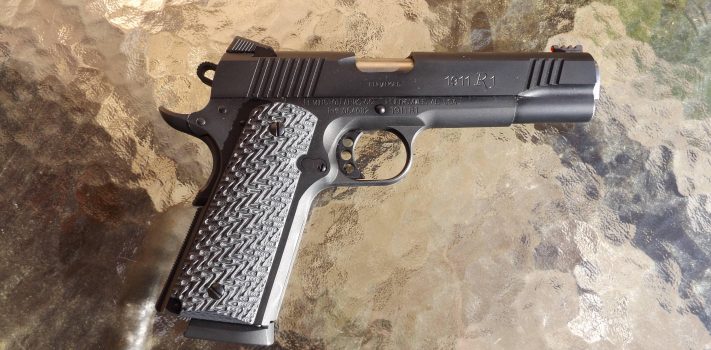
In general, if somebody can only purchase one firearm and lives in the suburbs, my first recommendation would be for them to acquire a high-capacity semi-automatic handgun of their preferred flavor. Before anybody shouts through the keyboard, I wholeheartedly agree that it would be preferable to start with a .22; however, if somebody has a small budget and truly can only afford a single weapon while the country is in or on the edge of true unrest, I believe a centerfire option is permissible. That being said, if you can afford multiple guns, then GET a .22 FIRST!
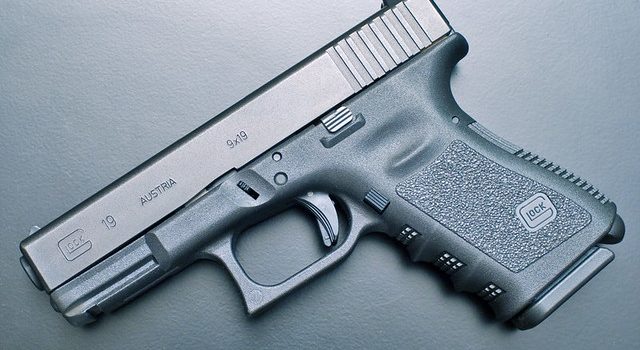
In absolute no particular order, here are a few brands that you may wish to consider: Smith and Wesson M&P Series, Glock (19, 17, 22, 23, etc), Springfield Armory XDm, FN, CZ, HK, the list goes on. Most of these will be approximately $400-to-$550 depending on what level of dealer markup is occurring at the time you buy. Less expensive options of reasonable quality certainly exist, but if you’re only going to have one firearm, I suggest doing all you can to purchase a mainline brand to have the best parts and magazine availability possible.
Why a handgun? Succinctly: I’m a family man. If I’m called upon to defend my home, there’s a very high probability I will need to move or direct my wife and children, open doors, issue commands, or otherwise make use of my hands. A pistol with modern ammunition will offer relatively high capacity, adequate terminal ballistics, and an acceptably low risk of over-penetration through drywall. While becoming skilled with a handgun takes more practice than some other firearms, at home-defense distances, my experience lends me to believe it is intuitive enough to use for novices to achieve acceptable results – though this is, obviously, no excuse not to train! Practice every aspect of loading, unloading, pointing, drawing, reholstering, andsafely dry firing the gun.Continue reading“I’m Unarmed — What Gun Do I Buy?, by Frog”