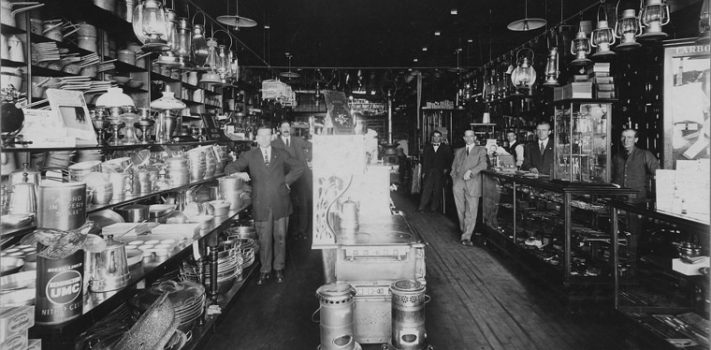
Artificial light is useful for extending working time beyond sunset, for providing comfort in the long dark hours of winter, and for finding one’s way in the night. Without electricity or batteries, solar cells or wind up flashlights, lamps and candles can be made just as they have been for thousands of years.
The cave paintings of the Upper Paleolithic were done by the light of lamps that used a lump of animal fat as fuel and lichen, moss, or juniper twigs as wicks. The light of these crude lamps was sufficient to produce some of the earliest known works of art in pitch-black caves. Some of these lamps were merely rocks with slight, natural hollows in them, others were carved from soft stone to form handles for carrying and bowls for the fat and wick. The carved bowl lamps are not dissimilar to lamps of pottery or tin used into the 19th century in frontier America. (I own a copy of one of these, called a Brown Betty.) As the wick burns, the fat melts and the liquid is drawn up the wick to provide fuel for the flame. The problem with these lamps is when the fuel runs out, the wick will continue to burn in an uncontrolled manner, destroying the wick and creating a fire hazard. Later, far superior designs addressed this problem, although the open bowl style of lamp can still be found today.
The ancient Egyptians and other Mediterranean cultures had a better design, a better fuel, and a better wick. These lamps, made of glazed pottery or metal, run a fiber wick through a narrow opening that snuffs out the flame when the wick burns down and keeps it from creating an uncontrolled blaze once the fuel is depleted. Oil, a far superior fuel to fat, can be added through the hole in the top of the lamp while the flame is still burning allowing for nearly continuous operation. The olive oil used in these lamps is an especially desirable fuel as it burns without smoke or odor. Anyone who has ever burned tallow candles or rushes (porous reeds soaked in animal fat) can understand the appeal of a less fragrant fuel such as plant oil, especially in closed in spaces.Continue reading“Making Light, by M.E.”